IN Brief:
- Paranova has completed a £5m redevelopment of its St Neots manufacturing operation.
- The expansion adds 2,000 square metres and new high-speed converting capability.
- The site supports annual production of more than 700 million recyclable food-to-go packs.
Paranova Print and Packaging has completed a £5m redevelopment of its St Neots manufacturing base, expanding capacity for fibre-based food-to-go packaging.
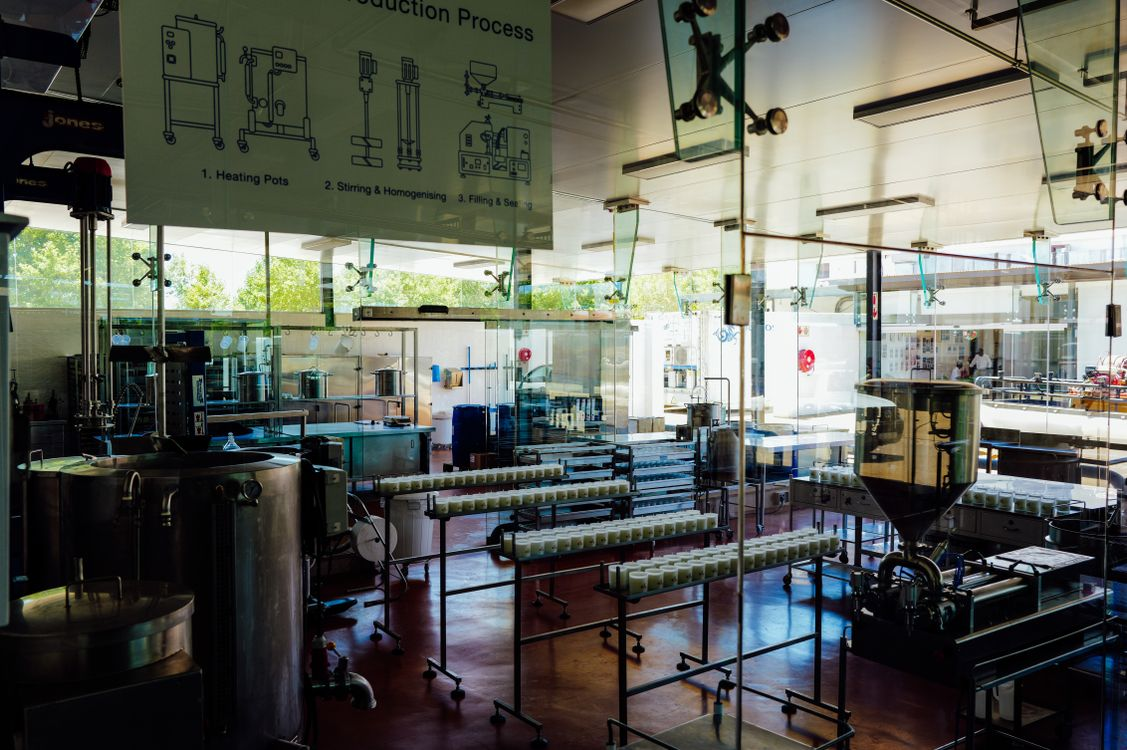
The project adds 2,000 square metres to the Cambridgeshire operation and includes high-speed converting capability for lined board food-to-go products. The investment supports packaging formats including sandwich skillets, wrap boxes, trays, cartons, and other fibre-based food packaging.
The expanded site now supports annual production of more than 700 million recyclable food-to-go packs across Paranova’s board manufacturing operations. The St Neots redevelopment follows the transition of Coveris’ former paper business unit into Paranova under Kingswood Capital Management ownership.
Food-to-go packaging is under pressure from regulation, retailer targets, producer responsibility costs, and consumer scrutiny. Sandwich manufacturers, chilled convenience suppliers, quick-service operators, and retailers are reducing reliance on plastic-heavy or hard-to-recycle formats while still needing packs that can protect fresh products at scale.
Fibre-based packaging has gained momentum, but technical performance remains decisive. Sandwiches, wraps, salads, bakery lines, and prepared snacks create different demands around grease resistance, moisture management, visibility, seal strength, print quality, stacking, chilled handling, and filling-line performance. A pack that looks strong on sustainability can fail quickly if it slows production, weakens shelf life, or damages too easily in distribution.
Paranova’s investment therefore strengthens more than nominal capacity. High-speed workflow, converting consistency, and manufacturing efficiency are essential if fibre-based formats are to move from project trials into mainstream chilled convenience ranges. Customers need reliable volumes, repeatable quality, and confidence that new formats will run without adding operational friction.
Packaging suppliers across food and beverage are already adjusting to that challenge. Greif’s barrier packaging work, Lecta’s no-PFAS-added food packaging portfolio, and Plastipak’s recyclable PET barrier packaging development all point towards the same operating reality. Material change has to be backed by evidence, compliance readiness, and production-scale performance.
Food-to-go sits close to the sharpest edge of this transition. Packs are produced in large volumes, used for products with short shelf lives, and handled through chilled manufacturing, distribution, retail merchandising, and consumer transport. Window materials, coatings, inks, adhesives, board grades, and sealing systems all influence whether a format can be recycled effectively and whether it can protect the product.
Extended producer responsibility is adding financial pressure to the same technical equation. Lighter, more recyclable, or more fibre-based formats may help reduce exposure over time, but only if the packaging is properly specified, accepted by recycling systems, and robust enough for industrial use. Poorly designed material switches can create higher waste, rejected packs, and greater disruption on packing lines.
The St Neots project also strengthens UK packaging supply at a time when food manufacturers are trying to reduce risk in their packaging procurement. Moving to alternative formats requires suppliers with enough capacity to support trials, launch windows, seasonal peaks, and retailer-led specification changes. Without that capacity, sustainability targets can quickly become sourcing bottlenecks.
Paranova’s expansion gives food-to-go manufacturers additional UK-based capability in a category where speed, volume, and reliability are critical. As fibre-based packaging becomes less of an option and more of a baseline requirement, converters able to combine material performance, regulatory readiness, and manufacturing scale will become more important to chilled convenience supply chains.