IN Brief:
- Xampla has hosted Cambridge MP Daniel Zeichner as it scales natural plant-polymer materials for food packaging.
- The company’s Morro Coating is designed to replace plastic and PFAS barrier coatings in foodservice and FMCG formats.
- The visit adds policy focus to how natural polymers are recognised under packaging regulation.
Xampla has brought plant-polymer packaging technology further into the UK policy debate after Cambridge MP Daniel Zeichner visited the company’s Cambridge base and backed clearer recognition of natural polymers as distinct from plastic in regulation.
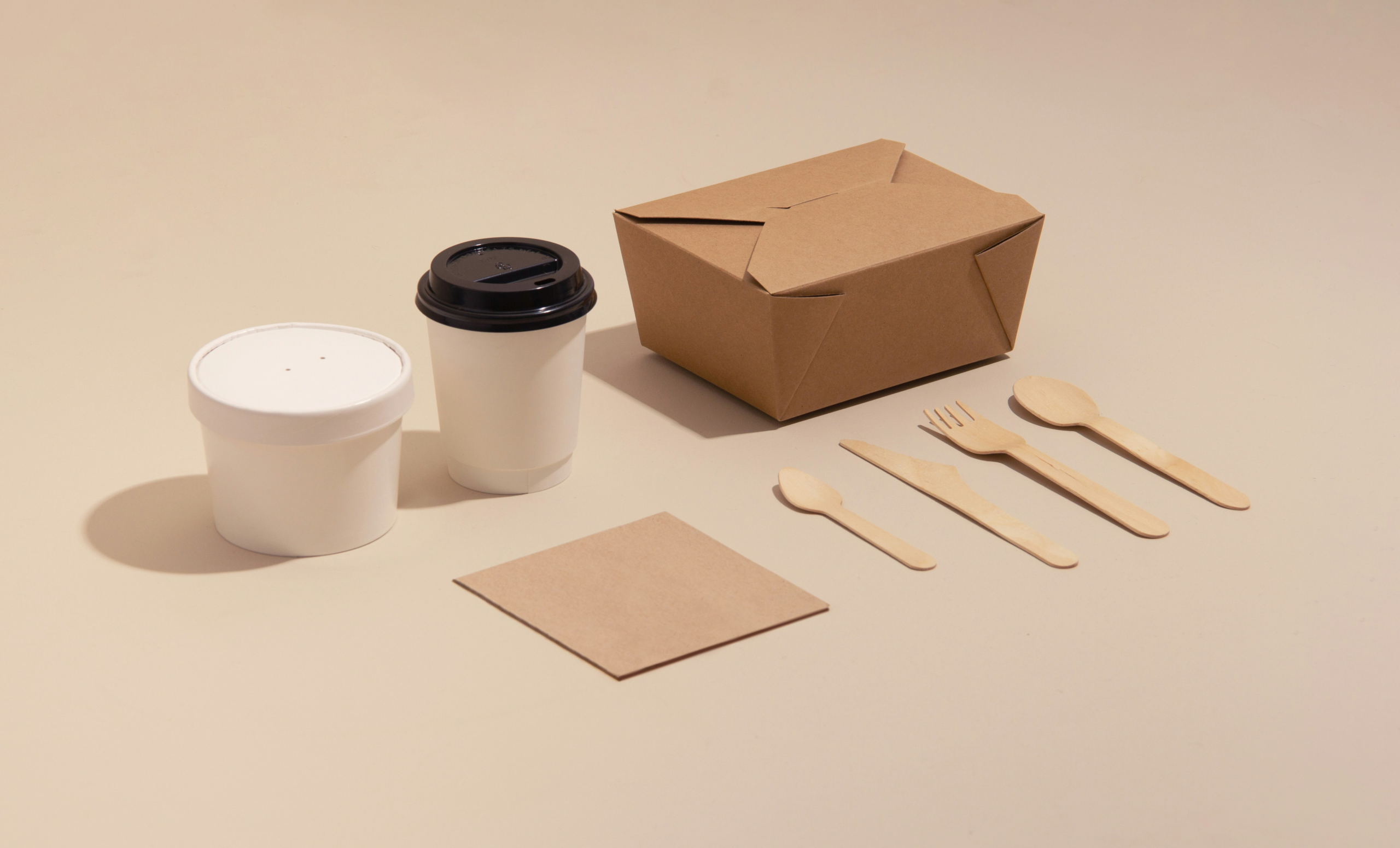
The company’s Morro materials are based on 15 years of research at the University of Cambridge and use chemically unmodified plant polymers. Morro Coating is being used as a plastic-free barrier coating for food packaging, with applications across foodservice and FMCG formats where grease resistance, water resistance, oxygen barrier, and pack performance are critical.
Xampla is seeking to scale its materials beyond laboratory development and into wider commercial packaging use. The company has highlighted expansion across the UK and Europe, including activity linked to food delivery and foodservice applications. Its technology is designed to replace conventional plastic and PFAS-based barrier materials while remaining biodegradable, home compostable, and compatible with existing recycling streams.
Packaging regulation is increasingly shaped by the need to reduce plastic waste, improve recyclability, remove high-concern chemicals, and make producer responsibility systems more effective. Natural polymer materials occupy a technically important space because they are designed to deliver barrier performance without being chemically modified plastics.
Food packaging adoption will still be decided by performance on the line and in the market. Barrier coatings have to protect the product before they can protect a sustainability claim. Grease resistance, moisture control, oxygen barrier, sealability, convertibility, printability, shelf-life performance, filling-line compatibility, pack integrity, and end-of-life evidence all have to work together.
A coating that performs well in isolation may still struggle if it slows converting, changes storage behaviour, or creates uncertainty in recycling and composting routes. Xampla’s industrial challenge is therefore to place natural polymer chemistry into existing packaging manufacturing systems without forcing converters and food producers into costly redesigns.
Packaging materials companies have a favourable policy environment, but a demanding technical one. Lecta’s shift to a no-PFAS-added food packaging portfolio showed how chemical compliance is becoming a portfolio-level decision for paper, label, bag, and barrier materials. Germany’s move towards PPWR alignment reinforced the commercial importance of recyclability, evidence, and market access.
Capacity is also building around fibre-based formats. Paranova’s £5m St Neots packaging expansion added high-speed converting capability for food-to-go formats, a market where plastic reduction, pack durability, and food-contact performance all meet. Natural polymer coatings could become part of that wider shift if they support the production speeds and barrier performance needed in chilled convenience and takeaway supply chains.
The regulatory classification of natural polymers will influence adoption. If chemically unmodified natural polymer materials are treated in the same way as conventional plastics, their commercial advantage may be diluted. Clearer recognition as a distinct material class could give packaging developers a stronger route into categories where plastic reduction and PFAS removal are both priorities.
The UK has deep academic and early-stage materials capability, but scale-up remains the harder test. Food packaging is conservative for practical reasons: failures affect safety, shelf life, waste, brand reputation, and regulatory compliance. Xampla’s next phase depends on proving that its materials can move from scientific credibility into repeated industrial use.
The visit gives the company political visibility as packaging decisions become more tightly connected to regulation, materials science, and manufacturing practicality. Natural polymer coatings will succeed only where those three conditions are met together.