IN Brief:
- Lidl GB has committed £500m to British berry sourcing over five years.
- The agreements are designed to support grower planning, investment, and UK-grown volumes.
- Fresh produce supply chains are being reshaped by labour, input costs, weather volatility, and retailer sourcing commitments.
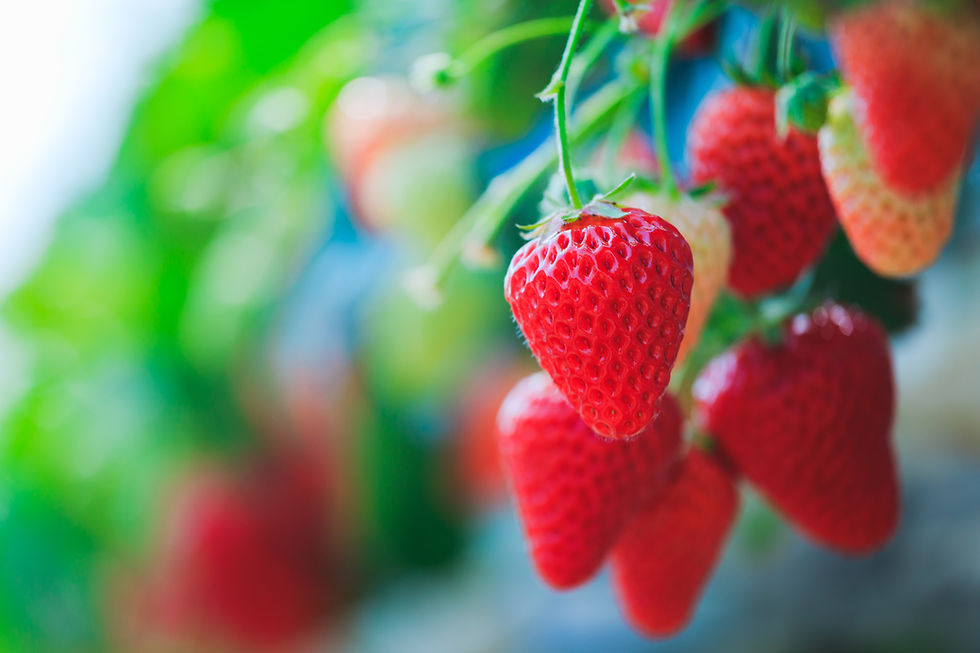
Lidl GB has committed £500m to British berry sourcing over the next five years, using longer-term agreements with growers to increase UK-grown volumes and provide greater supply certainty.
The investment represents the value of contracts with British-based berry suppliers across the five-year period. Lidl is linking the agreements to stronger support for UK agriculture as growers manage higher input costs, labour availability challenges, and more unpredictable weather.
Berries have become one of the most commercially important areas of UK fresh produce. The category brings together domestic agriculture, chilled logistics, retailer forecasting, short shelf-life management, and high consumer expectations on appearance and freshness. Demand remains strong, while production is exposed to weather, labour intensity, energy costs, crop protection, water availability, and rapid deterioration after harvest.
Lidl has highlighted rising demand for fresh, healthy, and locally sourced products, with blueberries identified as one of the UK’s fastest-growing fruit categories. The retailer said blueberry sales have increased by more than 200% over the last three years. That growth gives suppliers an incentive to expand, although scaling production requires capital, planning certainty, and confidence in market access.
Longer sourcing agreements give growers a clearer base for investment. Berry production requires spending on plants, protected cropping, substrates, irrigation, labour planning, harvesting systems, packhouses, cooling, quality control, and distribution. Short contracts make those commitments harder, especially when growers face cost volatility before the crop is harvested or sold.
Richard Bourns, chief commercial officer at Lidl GB, said: “By building a framework providing long-term security, we enable our growers to confidently invest, innovate and scale alongside us. By investing in these partnerships, we are making fresh, healthy produce more accessible to our customers, offering the best British berries at unbeatable prices.”
The retail agreement carries industrial weight because berry supply depends on far more than the growing season. Fruit has to be picked at the right maturity, handled gently, cooled rapidly, graded accurately, packed efficiently, and distributed through a chilled chain with little margin for delay. Shelf life is short, damage risk is high, and retailer rejections can quickly turn into waste if quality windows are missed.
Fresh produce supply chains are also being reshaped by agricultural volatility across the wider European market. EU agri-food trade data has already shown how fruit, nuts, oils, cereals, and other raw materials can affect processor cost exposure as trade balances shift. Lidl’s berry commitment sits inside that wider move toward more secure sourcing, stronger forecasting, and closer links between retail demand and primary production.
For growers, volume growth alone will not resolve the underlying pressures. The UK berry sector has to manage seasonal labour needs, rising wage costs, energy-intensive protected production, water stress, pest and disease pressure, and climate variation. Warmer winters, late frosts, heavy rain, and heat events can all affect yield and quality. A five-year framework cannot remove those risks, but it can support investment in mitigation.
That investment may include improved crop protection, polytunnels, irrigation efficiency, varietal selection, automation, packhouse upgrades, and better cold-chain control. Stable commercial relationships make those decisions easier to justify. Retailers also gain from improved supply continuity, more predictable promotional planning, and stronger British provenance in a category associated with seasonality and freshness.
The sustainability picture is more complex than a simple domestic-sourcing claim. British production can reduce exposure to long-distance supply routes during the domestic season, but berries still require inputs, packaging, refrigeration, labour, and waste management. A stronger UK supply base delivers resilience only when production, water use, labour standards, cold-chain efficiency, and pack performance are controlled together.
Packaging remains central to the category. Berries need protection from crushing, moisture imbalance, condensation, and contamination while remaining visible and convenient. Moves toward recyclable or lower-plastic formats have to be balanced against damage and spoilage risk, since a lighter pack that increases waste can undermine the intended environmental gain.
Food manufacturers using berries in prepared foods, bakery, dairy, desserts, drinks, and frozen products will be watching domestic supply agreements closely. Fresh retail demand tends to take priority for premium fruit, but stronger grower investment can also support processing grades, frozen supply, purées, inclusions, compotes, and by-product recovery.
Lidl’s £500m commitment shows how longer commercial frameworks are becoming part of supply-chain infrastructure. In a volatile agricultural market, the confidence to invest before the crop exists can shape production capacity as much as machinery, labour, or land.