IN Brief:
- Valmet has launched 3D Fiber technology for high-capacity production of three-dimensional fibre-based packaging.
- The system is designed for lightweight moulded fibre trays, plates, and food packaging applications.
- The launch supports fibre packaging formats moving from pilot projects into more scalable industrial production.
Valmet has launched 3D Fiber technology for high-capacity production of three-dimensional fibre-based packaging, expanding its role in packaging machinery as food producers and converters look for scalable alternatives to plastic formats.
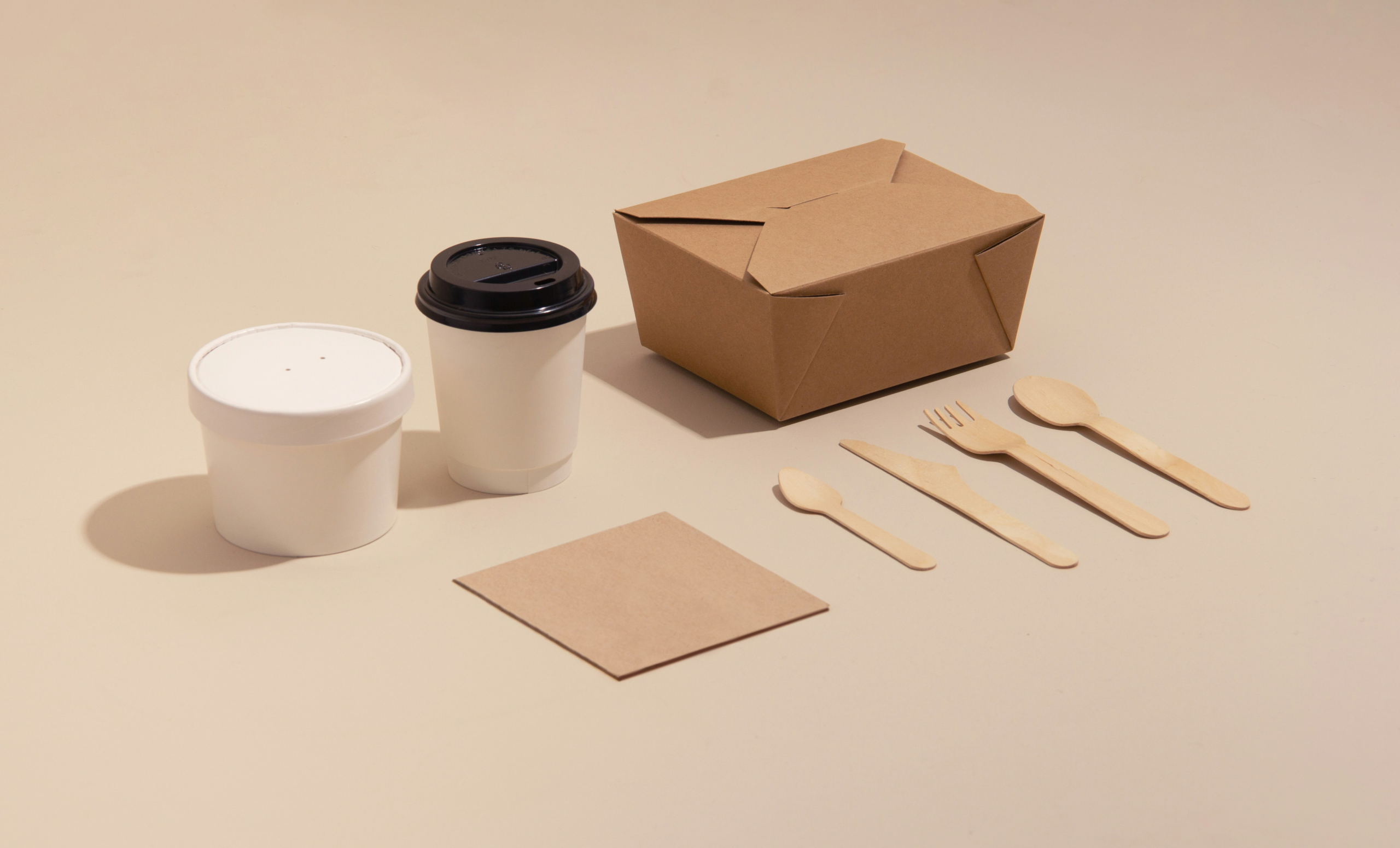
The system is designed to produce lightweight moulded fibre products, including trays, plates, and food packaging applications made from cellulose fibres. Valmet is bringing together fibre-processing, forming, automation, and process engineering capability in a platform aimed at industrial packaging production rather than low-volume demonstration work.
Moulded fibre has long been used in protective packaging and egg cartons, but food packaging requires a more demanding technical profile. Trays, bowls, lids, and plates used with food products must meet requirements for appearance, dimensional stability, barrier performance, grease resistance, moisture exposure, heat tolerance, filling-line handling, and food-contact safety.
High-capacity production is central to the launch. Fibre-based packaging has attracted sustained interest, but the category has often faced a gap between concept appeal and manufacturing economics. Food manufacturers and packaging converters need formats that can be produced consistently, at volume, and at a cost that competes with established plastic, paperboard, aluminium, or hybrid systems.
The 3D Fiber technology also supports circulation of process side-streams and trim waste back into production. Material yield, water use, drying energy, fibre quality, and waste handling shape the economics of moulded fibre manufacture, particularly when production is scaled. Recovering and reusing side-streams improves the process case and reduces avoidable material loss.
Food packaging has become a major test area for moulded fibre because regulatory and customer pressure is moving away from difficult-to-recycle plastics in some applications. Chilled meals, produce, bakery, confectionery, foodservice, and fresh protein all present opportunities, although each application carries different demands around sealing, barrier performance, shelf life, absorbency, and surface finish.
Amcor, Metsä Group, and G Mondini’s fibre tray system for chilled foods showed how fibre packaging has to be developed as a complete industrial system, with tray, liner, top web, and machinery compatibility working together. Valmet’s launch sits further upstream, addressing the equipment platform needed to manufacture three-dimensional fibre packs with repeatable quality.
The machinery challenge is substantial. Fibre products require controlled forming, water removal, pressing, drying, handling, and finishing, with small variations affecting rim strength, stacking, sealing surfaces, surface quality, and compatibility with downstream packing lines. In food applications, those variations can influence both line efficiency and product protection.
Barrier performance remains one of the defining technical questions. Wet products, fatty foods, chilled meals, hot-fill applications, frozen foods, and microwaveable formats often require coatings, liners, or functional treatments. Fibre can provide structure and renewable material content, but it must be paired with the right barrier system if it is to protect food effectively through distribution and storage.
The environmental case also depends on more than material origin. Drying energy, coating selection, recyclability, collection routes, food waste prevention, and transport all influence the final footprint. Moulded fibre performs best where the full system has been designed around the product, the line, and the end-of-life route, rather than selected solely because it appears more sustainable on shelf.
Valmet’s background in pulp, paper, board, automation, and process industries gives it a technical base in large-scale fibre handling. Applying that knowledge to moulded fibre could help packaging producers move beyond small trial lines and into more robust production models, especially where customers need dependable supply rather than short-run innovation projects.
Customer installations, application testing, and integration with coatings and sealing systems will determine how far the technology moves into mainstream food packaging. High-capacity forming is one part of the answer. The decisive test will be whether fibre packs can deliver the combination of protection, cost, consistency, and machine performance that industrial food production demands.