IN Brief:
- IFF has launched Danisco Grindsted DuoGel for low-pH, fruit-based plant-based gummies in EMEA.
- The pectin and carrageenan system targets chew, stickiness, melt resistance, and formulation consistency.
- The launch reflects rising technical pressure in confectionery as vegan, halal, and fruit-led formats grow.
IFF has launched Danisco Grindsted DuoGel in Europe, the Middle East, and Africa, targeting the texture and stability challenges that continue to limit gelatin-free gummy confectionery.
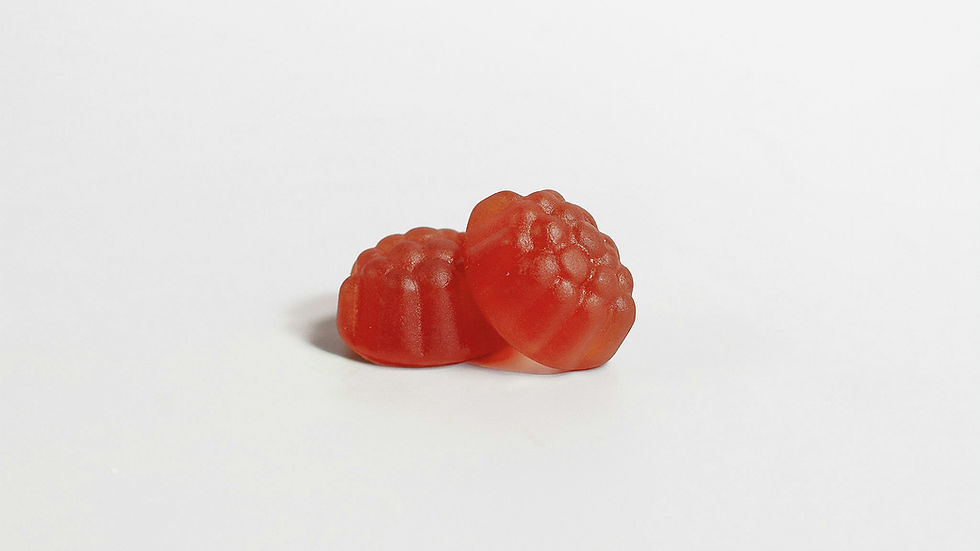
The stabiliser system combines pectin and carrageenan and has been developed for low-pH, fruit-based gummies. It is designed to support an elastic, juicy chew while reducing brittleness, stickiness, and poor heat resistance, all of which can undermine plant-based confectionery during production, packing, and distribution.
Gelatin plays a complex role in conventional gummies. It contributes gel strength, elasticity, bite recovery, melt behaviour, and mouthfeel, while also helping manufacturers achieve predictable demoulding and shelf-life performance. Removing it creates a technical gap that cannot be solved by a simple hydrocolloid substitution, particularly in acidic fruit systems where stabilisers must tolerate demanding pH and processing conditions.
DuoGel has been developed to address those problems in vegan- and halal-suitable confectionery formats. The system gives manufacturers a route to fruit-led gummies that retain a more familiar bite while reducing the production instability often seen in gelatin-free lines.
Confectionery reformulation is already widening beyond vegan claims. As cocoa alternatives, reduced-sugar systems, and ingredient substitutions move into commercial products, such as no-added-sugar ChoViva for bakery and confectionery applications, product developers are under pressure to protect sensory quality while managing cost, sustainability, and labelling expectations.
Gummies are becoming a particularly demanding format because they are no longer confined to conventional sweets. Functional confectionery is growing as a delivery system for vitamins, minerals, botanicals, fibre, collagen alternatives, and active nutrition ingredients. Each addition can affect pH, water activity, flavour release, texture, and stability, making the base gel system more important than the consumer-facing claim.
Manufacturing performance is central to the category. A gummy that works in bench trials can still fail commercially if it sticks to moulds, slows demoulding, sweats in packaging, loses shape in warm conditions, or requires excessive process adjustment. Stabiliser systems must therefore support hydration, cooking, deposition, setting, handling, coating, packing, and storage, not just the finished bite.
Heat resistance is becoming more important as supply chains stretch across climates and channels. Confectionery products may move through ambient warehouses, export containers, retail back rooms, and e-commerce fulfilment networks before consumption. Gelatin-free systems that soften, stick, or deform under temperature stress can create waste and customer complaints even if they leave the factory in specification.
Dietary compatibility adds another layer. Vegan and halal claims can help manufacturers rationalise formulations across markets, reducing the need for separate gelatin and non-gelatin product lines. That flexibility becomes commercially useful when brands are trying to serve multiple regions with one recipe or simplify export planning.
Ingredient suppliers are increasingly being asked to solve those problems at system level. Confectionery manufacturers need application guidance, processing windows, and troubleshooting support alongside the ingredient itself. The stronger hydrocolloid platforms will be those that help customers manage scale-up, line behaviour, and shelf-life risk.
DuoGel arrives as plant-based confectionery enters a more mature phase. The category is no longer judged only on whether animal-derived gelatin has been removed. Products must now meet the same expectations for chew, flavour, convenience, and reliability as established gummies, while also surviving the pressures of industrial production and distribution.