IN Brief:
- Nexira has acquired Moroccan carob ingredient producer Keragum.
- The transaction adds processing capacity, local sourcing relationships, and greater control over raw-material traceability.
- Integration closer to origin should strengthen the supply of locust bean gum and other natural texturisers.
Nexira has acquired Moroccan carob specialist Keragum, extending its control over locust bean gum sourcing and processing as demand grows for plant-based texturisers with stronger traceability.
The transaction adds an established Moroccan manufacturing operation, relationships with local carob suppliers, and expertise in converting carob seed into functional ingredients. Financial terms have not been disclosed.
Locust bean gum is extracted from the endosperm of carob seeds and is used to control viscosity, water binding, suspension, texture, and freeze-thaw stability. Applications include dairy products, plant-based alternatives, ice cream, sauces, fillings, bakery products, prepared meals, and nutritional formulations.
The ingredient is frequently combined with carrageenan, xanthan gum, and other hydrocolloids because the interaction between materials can produce stronger gels or more stable textures than either component provides alone. Consistency in hydration, particle size, purity, and viscosity is therefore essential when a small inclusion level controls the behaviour of a much larger product batch.
Keragum gives Nexira a manufacturing and sourcing presence closer to the agricultural raw material. Greater visibility at origin should improve crop assessment, selection of seed quality, traceability, and coordination between collection and industrial processing.
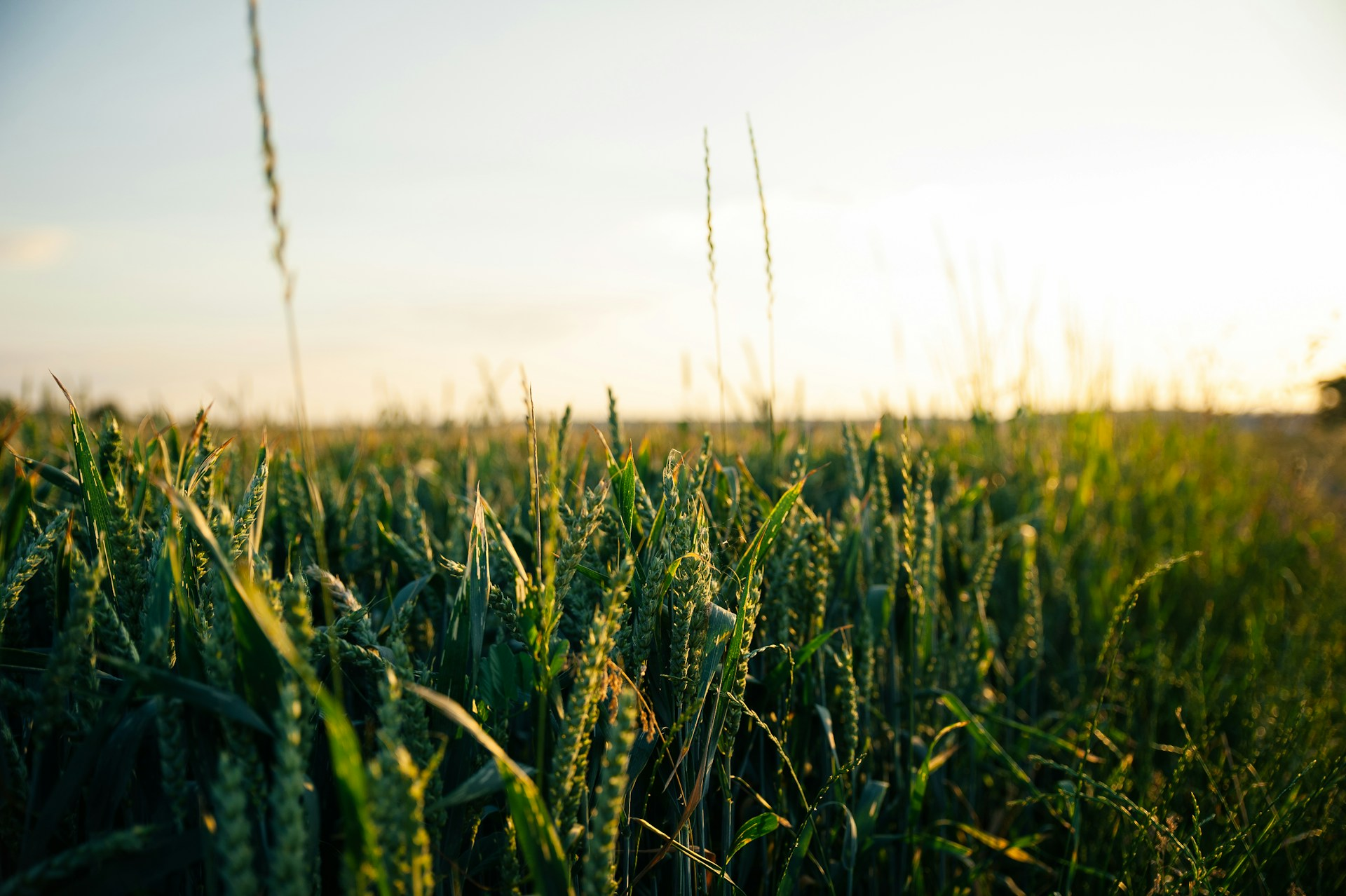
Morocco is a significant producer of carob, a crop suited to dry conditions and often integrated into agricultural systems where other species face water limitations. The pod contains pulp and seed fractions with different commercial uses, so collection economics depend on demand across the full carob value chain.
Origin concentration creates supply exposure
Natural hydrocolloids frequently depend on crops grown in a limited number of regions. Weather, harvest quality, labour availability, competing demand, transport, and local purchasing conditions can produce sharp changes in price and availability.
Carob supply carries additional variability because seed yield and gum quality differ between varieties, growing areas, and seasons. The commercial balance between pulp and seed also influences whether pods are collected, how they are processed, and which fractions receive investment.
Ownership closer to origin does not remove agricultural risk, although it provides earlier information and greater control over sourcing decisions. Direct relationships can improve crop planning, specification management, and the allocation of suitable grades before shortages reach downstream customers.
Ingredient manufacturers have become more attentive to these vulnerabilities following disruption across starches, gums, vegetable oils, proteins, cocoa, and other agricultural materials. A low-inclusion texturiser can stop production just as effectively as a major commodity when no technically equivalent substitute has been approved.
The drive to strengthen European protein and oilseed resilience reflects the same industrial concern at a larger scale: raw materials must remain available in the required quality, quantity, and specification, rather than simply existing somewhere within the market.
Alternative hydrocolloids cannot always be exchanged on a direct weight-for-weight basis. Reformulation may alter viscosity, sensory quality, processing temperature, filling behaviour, shelf life, or ingredient declaration, making emergency substitution slow and technically demanding.
Natural formulations require tighter control
Demand for recognisable, plant-derived, and minimally modified ingredients has supported the use of natural gums. Removing a synthetic or chemically modified texturiser, however, leaves the same functional requirement within the product.
Manufacturers must still control syneresis, suspension, mouthfeel, heat stability, freeze-thaw performance, and product flow. Several natural gums may be needed to reproduce the performance of one established ingredient, increasing the importance of application expertise and raw-material consistency.
Agricultural variability also requires effective blending and standardisation. Material from different harvests may need to be combined to maintain a narrow viscosity specification, while milling and particle-size control influence hydration rate during factory processing.
Nexira can connect Keragum’s origin-level capability with its wider application and customer-support network. Customers will expect the acquisition to deliver consistent specifications, secure volumes, technical assistance, controlled change notification, and reliable documentation.
Traceability is becoming more detailed as food manufacturers seek evidence on geography, agricultural practice, labour, biodiversity, and environmental impact. Direct presence at origin creates access to better data, although those records must remain verifiable through collection, storage, primary processing, and export.
The acquisition strengthens Nexira’s position in a specialised ingredient category used across a broad range of foods. Its operational value will become most visible during difficult harvests, when customers require continuity without the delay and cost of reformulating established products.