IN Brief:
- Four guides cover food hygiene, cultivated-product evidence, novel food applications, and regulated taste trials.
- Developers must document cell identity, media, production controls, composition, hazards, and downstream processing.
- Pilot plant design and data collection will need to support eventual commercial authorisation from the beginning.
The Food Standards Agency and Food Standards Scotland have published four guides covering the regulatory and manufacturing requirements for cell-cultivated products and other novel foods.
The documents address food business hygiene, the scientific evidence required to evaluate cell-cultivated products, preparation of market authorisation applications, and the controlled use of unauthorised novel foods in regulated taste trials.
Produced through the Cell-Cultivated Products Sandbox Programme, the guidance forms the second set of publications from the initiative, which began in March 2025 and is funded through the Department for Science, Innovation and Technology until February 2027.
Developers must provide detailed information on the biological source material, cell identity, cell banks, genetic stability, production media, process aids, culture conditions, harvesting, purification, formulation, and finished composition. The assessment must also address microbiological, chemical, nutritional, allergenic, and process-related hazards.
Cell-cultivated production combines elements of food manufacture, biotechnology, and fermentation, but does not fit neatly into established meat-processing or conventional microbial systems. The safety case therefore depends heavily on the exact process used to create and recover the material.
Media components, growth factors, scaffolds, antifoams, cleaning chemicals, and downstream processing aids may all require examination. Developers must show whether residues remain in the finished food and demonstrate that the process controls contamination, unwanted biological change, and compositional variation.
The programme builds on the expansion of the UK novel foods regulatory support network, which is bringing technical specialists together to improve early understanding of evidence requirements across Britain and Europe.
Plant design becomes part of the safety dossier
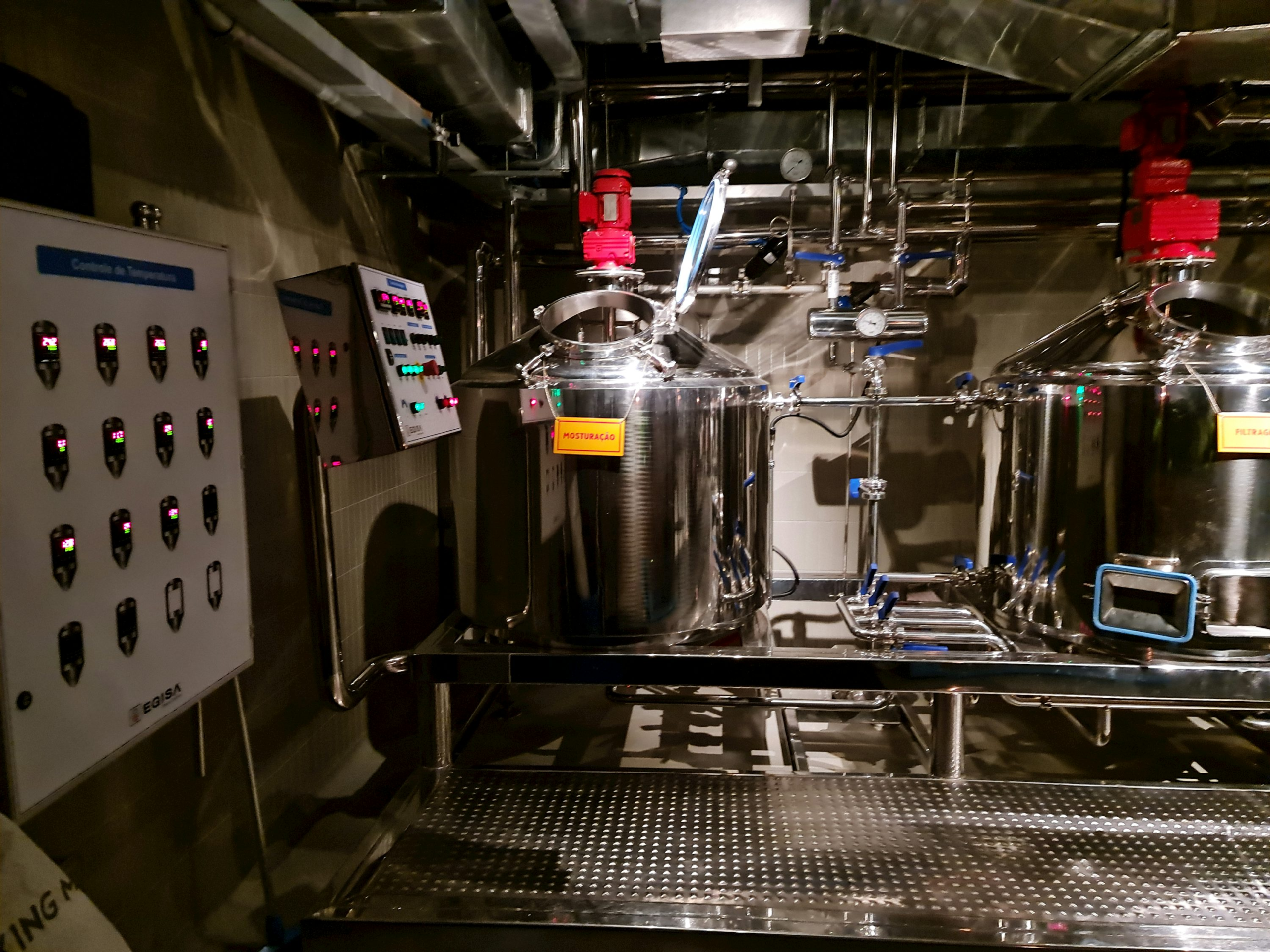
Many of the questions raised during authorisation are determined by engineering decisions made well before an application is submitted. Vessel geometry, sampling points, sterilisation, aeration, mixing, heat transfer, filtration, harvesting, and storage all influence the evidence available to the regulator.
A process that changes materially between laboratory, pilot, and commercial scale may need additional validation. Oxygen transfer, nutrient distribution, shear, heat removal, and contamination risk behave differently as bioreactor volumes increase, making scale-up more complicated than multiplying the laboratory recipe.
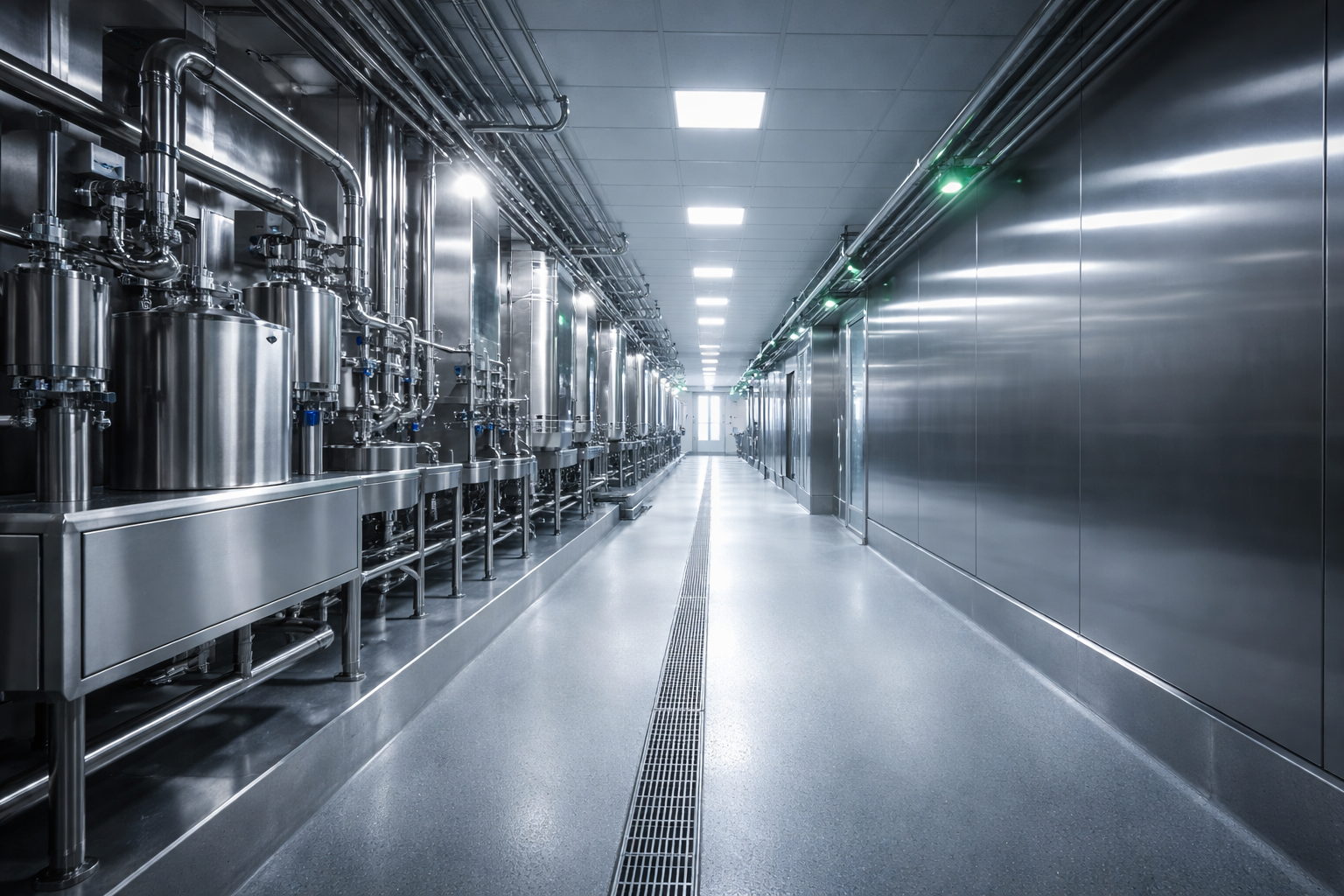
Facilities will require a hygiene strategy appropriate to both the biological culture and the finished food. Production areas may need controlled zoning, defined personnel and material routes, clean utilities, validated cleaning, environmental monitoring, and procedures for managing deviations or contamination events.
Pilot plants cannot postpone those systems until commercial expansion. Batch records, analytical results, environmental samples, deviations, and corrective actions become part of the evidence base, and inconsistent records can leave gaps that are difficult to reconstruct retrospectively.
The taste-trial guidance addresses a parallel development challenge. Companies need sensory information on flavour, aroma, texture, cooking behaviour, and appearance, but products without market authorisation cannot be offered for general consumption.
Controlled trials provide a route for limited sensory assessment under defined conditions, including participant management, product traceability, quantity controls, and regulator engagement. These trials can connect process development with the physical and sensory qualities needed for a viable finished food.
A material may meet analytical safety requirements while remaining difficult to formulate or process. Structure, fat distribution, colour, moisture retention, browning, and thermal behaviour can change as cultivated material is combined with binders, flavours, fats, or plant ingredients.
Contract manufacturing will become an important part of the sector’s development. Businesses without their own pilot or commercial facilities need partners capable of maintaining biological control, confidentiality, traceability, and food-grade hygiene while working with unfamiliar materials.
Existing food plants may require substantial modification, whereas pharmaceutical-style facilities can impose unnecessary cost and complexity. Purpose-built sites must find a workable point between sterile biotechnology practice and efficient food manufacturing.
The authorisation process remains demanding. Toxicology, exposure, nutrition, allergenicity, stability, and compositional testing can take considerable time, while methods must be suitable for a product that may not have a direct conventional equivalent.
Clearer guidance allows developers to build those requirements into plant and process decisions rather than discovering them after scale-up. Capital can be directed towards equipment, controls, and analytical capability that support the eventual application as well as immediate product development.
Regulatory clarity will not replace scientific evidence, although it can reduce avoidable redesign and incomplete submissions. Commercial progress will depend on repeatable production, credible records, and facilities capable of delivering the same controlled material beyond the development batch.