IN Brief:
- Repeated heatwaves and low rainfall are placing UK crops, soils, and livestock under sustained stress.
- Food manufacturers face greater variation in yield, size, composition, availability, and agricultural input costs.
- Water storage, sourcing flexibility, specifications, and supplier visibility are becoming more important to production continuity.
Repeated heatwaves and prolonged low rainfall are placing further pressure on British crops and livestock, increasing uncertainty around the volume and condition of domestically sourced ingredients.
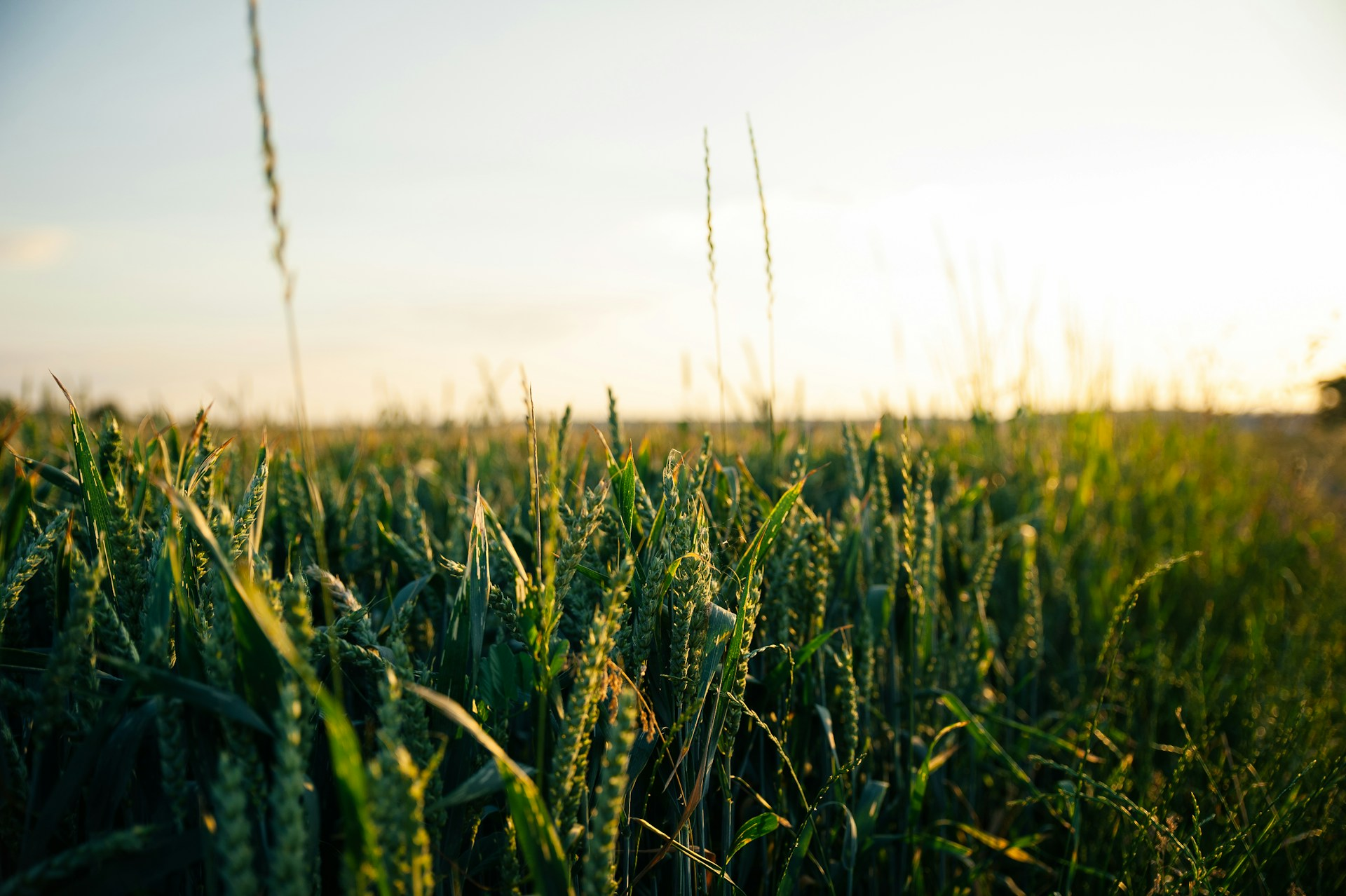
Temperatures approached 40°C during parts of the 2026 growing season, while dry soils and restricted water availability affected farms across central, eastern, and southern England and parts of Wales.
The Soil Association has warned that farmers are struggling to protect livestock and keep crops alive as high temperatures combine with a sustained shortage of moisture.
Conditions vary substantially by crop, soil, location, and development stage. Additional sunlight can bring some harvests forward and support quality where irrigation is available, although extreme heat can interrupt pollination, reduce grain fill, restrict photosynthesis, and produce smaller or misshapen vegetables.
Livestock farms face higher demand for drinking water, ventilation, shade, and cooling while pasture growth weakens. Dairy output has already fallen, and poor grass can increase reliance on conserved forage or purchased feed during the period when farms would normally build winter reserves.
Vegetable supply is exposed through both domestic production and imports. Britain sources substantial volumes from Spain, Morocco, the Netherlands, and other markets experiencing their own heat and water constraints, reducing the protection normally gained from geographical diversification.
Across Europe, the June heatwave was estimated to have removed almost nine million tonnes from grain-production forecasts and more than €2bn from crop value. Wheat, maize, and barley losses affect food ingredients directly while also moving through animal feed into meat and dairy production.
Agricultural disruption reaches factories through changing specifications rather than a single declared shortage. Smaller produce, altered colour, variable dry matter, lower solids, increased defects, delayed deliveries, changing origins, and requests to accept material outside established limits can all appear within the same season.
Specifications must distinguish function from appearance
A rigid incoming specification protects product consistency, although it can reject usable food during a difficult harvest. Technical and production teams need to separate attributes essential to safety and process performance from cosmetic criteria that can be adjusted without damaging the finished product.
Size variation may be manageable where produce is diced, milled, pulped, or blended, but the same variation can disrupt automated peeling, slicing, grading, and packing. Smaller raw material may also increase surface-area losses and reduce yield.
Lower dry matter can alter frying, cooking, evaporation, freezing, and product texture. Additional soil or field damage may increase washing, sorting, trimming, and inspection, reducing line capacity even when the delivered tonnage appears unchanged.
Any temporary adjustment requires technical assessment rather than a purchasing decision alone. Revised material can influence recipe balance, line speed, waste, cooking time, energy demand, colour, flavour, shelf life, and customer specifications.
European crop losses examined through reduced grain forecasts across the continent are connected directly to the British position. Lower output abroad increases competition for replacement supply at the same time as domestic crops face similar weather.
Water is becoming a shared constraint between agriculture and processing. Farms require irrigation and livestock supplies, while factories depend on water for ingredients, washing, cooking, cooling, steam, hygiene, and cleaning.
Low river flows, reservoir pressure, and abstraction restrictions can affect both stages simultaneously. A factory may retain access to water while its agricultural suppliers cannot irrigate, or farms may maintain output while processing sites face limits on expansion and cleaning schedules.
Greater resilience can come from multiple approved origins, crop forecasting, supplier mapping, alternative grades, forward purchasing, and specifications that define permitted adjustments before a shortage occurs. None can create volume where several regions experience the same event.
Storage provides a buffer for grains, oils, concentrates, frozen vegetables, and other stable materials, although additional inventory ties up cash and demands pest, temperature, shelf-life, and quality controls. Fresh and chilled ingredients allow less room to build protection.
Longer sourcing routes also increase transport time and place greater pressure on refrigeration and receiving schedules. Changes in raw-material size or quality can affect pack weights, counts, case utilisation, and packaging-line efficiency further downstream.
Climate adaptation is moving into routine production planning through water storage, soil management, crop selection, protected growing, irrigation efficiency, heat-tolerant varieties, and more flexible factory specifications.
None of those measures removes seasonal risk, while several require capital long before the next extreme year arrives. Factories will need better information at farm and field level because national averages cannot show whether an individual supplier is heading towards an early harvest, a smaller crop, or a complete failure.
The immediate supply picture will remain uneven, with acceptable crops in some areas and severe losses in others. Manufacturing plans will depend increasingly on how quickly that local information reaches procurement, technical, and production teams.