IN Brief:
- The ICA 4.3 uses 10.7% less energy at full load than an ICA 1 reference machine from 2003.
- Optimised torque, standardised components, and One Cable Technology reduce machine complexity and possible fault points.
- SafeCoat treated clips reduce friction and wear while supporting closure reliability and longer service life.
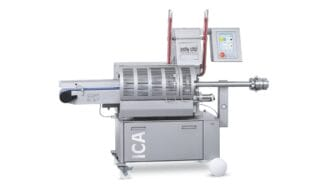
Poly-clip System has expanded its Green Series with the ICA 4.3 automatic double clipper, introducing revised drive technology, fewer components, and lower full load energy demand for automated sausage and filled product production.
Testing against an ICA 1 machine built in 2003 recorded a 10.7% reduction in energy consumption under full load. Optimised torque and a harmonised drive architecture provide the basis for the improvement, while standardised components are intended to support stable operation and easier integration with existing equipment.
One Cable Technology reduces the amount of separate wiring within the machine, limiting the number of connections that can be installed incorrectly or develop a fault. A simpler electrical layout can also make diagnosis more direct, particularly when engineering teams need to distinguish a control problem from a mechanical or product related interruption.
The ICA 4.3 is designed for connection with established filling systems and can accommodate larger product formats. During operation, the machine gathers the filled casing, applies two clips, separates individual portions, and prepares the following section for the next fill. Accuracy at each stage affects closure strength, product length, presentation, and the reliability of downstream handling.
Poly-clip has also used its SafeCoat clip treatment to reduce friction and wear as closures move through the machine. Lower resistance can improve feeding consistency, extend component life, and reduce the likelihood of interruptions caused by damaged clips or worn contact surfaces. The reduction in wear also limits the number of replacement parts consumed during the machine’s operating life.
Automation investment across meat production is extending from primary processing into portioning, handling, and packing, with Cranswick among the companies increasing automated poultry and pork capacity. Labour availability, throughput, yield, and consistent finished presentation are pushing manufacturers to examine smaller process stages that can constrain an otherwise highly automated line.
Clipping occupies one of those stages. Although the machine may be physically smaller than a filler, cooker, or packaging system, a fault can stop the flow of product to every connected process. Cooking racks, smoking systems, chillers, slicers, and secondary packing equipment all depend on a secure and repeatable closure leaving the clipper.
Energy performance becomes more substantial when assessed across repeated shifts and several machines. A single reduction of 10.7% will represent a modest share of total factory consumption beside refrigeration, heating, compressed air, and thermal processing, but lower demand across many line components can produce a measurable cumulative saving.
Reduced component variety can carry a similar operational benefit. Food factories often contain machinery installed across several investment cycles, leaving engineering teams to manage different drives, control platforms, cables, sensors, and proprietary spares. Standardised architecture can reduce the number of items held in stores and make technical knowledge easier to transfer among shifts.
Hygienic design remains essential because the clipper handles packaging immediately after filling, where exposed product, casing material, and frequent movement create opportunities for residue to accumulate. Surfaces and access points need to support effective cleaning without introducing prolonged dismantling or difficult areas that escape inspection.
Poly-clip’s Green Series combines energy, material consumption, service life, and availability within one machinery programme. The ICA 4.3 will ultimately be judged across different diameters, casing materials, recipes, filling speeds, and washdown routines, where small gains in reliability and consumption can accumulate over long production schedules.