IN Brief:
- The 2026 UK harvest began earlier than any season recorded by AHDB since 2006.
- Cereal yields have generally fallen below ten year averages, with substantial regional and soil variation.
- Grain quality, protein, moisture, and availability will shape costs for milling, bakery, brewing, malting, and feed production.
AHDB has recorded Britain’s earliest harvest in at least 20 years, with combines entering fields ahead of any season covered by its reporting since 2006.
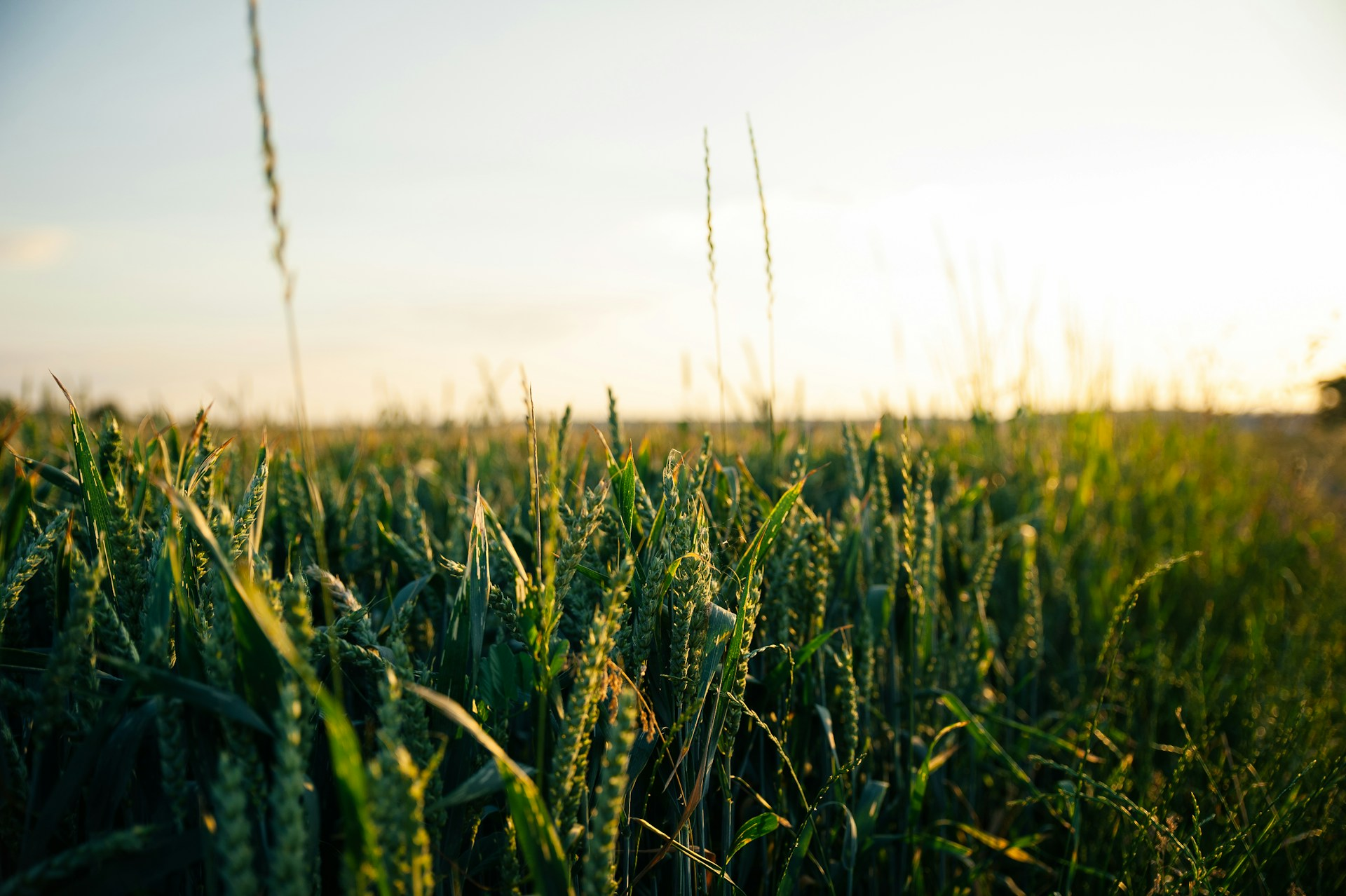
Prolonged heat and dry weather accelerated crop maturity and field access, allowing growers in parts of southern and eastern England to complete harvest two or three weeks earlier than normal. Speed has not produced consistently strong yields, however, and many cereal crops are performing below the ten year average.
Lighter soils have been particularly exposed because their limited water holding capacity left crops with fewer reserves during grain filling. Results vary considerably between fields, regions, soil types, and rainfall patterns.
Winter wheat condition deteriorated as the season progressed. The proportion assessed as good or excellent fell from 74% in April to 58% by late June, indicating how rapidly yield potential weakened under continuing moisture stress.
Some oilseed rape crops have performed more positively, although results remain variable. Wheat and barley will attract the closest attention from food and beverage manufacturers because harvested tonnage does not show how much grain meets milling, malting, brewing, or specialist ingredient specifications.
Later crops will refine the national picture as further AHDB reports cover August and September. The first results have already established a wide performance range rather than a single uniform harvest outcome.
Specification follows the combine
Heat and dry weather can alter grain size, specific weight, protein, moisture, germination, screenings, starch characteristics, and contaminant exposure. These characteristics decide where grain can be used and what processing adjustments may be required.
Bread flour requires wheat with suitable protein strength, extraction performance, and baking behaviour. A reasonable field yield can still leave a smaller share of grain capable of meeting premium milling grades.
Millers may compensate through cleaning, segregation, blending, or altered grist composition, although each change requires laboratory work and careful control. Flour can remain within specification while behaving differently during hydration, mixing, fermentation, and baking.
Malting barley is constrained by germination, nitrogen, grain size, varietal purity, and moisture. Variable harvest conditions can reduce the proportion meeting malting standards and push more grain towards feed, tightening availability for maltsters and brewers.
Europe’s heatwave had already removed an estimated nine million tonnes from regional grain forecasts, with wheat filling and maize pollination among the affected growth stages. The UK results provide a more detailed indication of how that weather is appearing in harvested crops.
Storage will require close management even where grain arrives dry. Loads need cooling, aeration, pest control, temperature monitoring, and segregation, particularly when kernel size or damage differs between farms.
Procurement adjusts to repeated volatility
Manufacturers have moved through several seasons shaped by wet establishment, flooding, dry springs, extreme heat, and changing harvest dates. Procurement plans based on stable regional output are increasingly exposed to both volume and specification risk.
Imports can replace missing tonnage, but alternative origins carry different varieties, quality profiles, pesticide records, sustainability data, freight costs, and documentation. Additional grain also needs suitable port, haulage, storage, and laboratory capacity.
Factories designed around nearby wheat may need more intake segregation and blending when grain arrives through several routes. Larger silo portfolios provide flexibility, although construction and operation carry significant capital and energy costs.
Forward purchasing can secure supply before the full harvest picture becomes clear, but it also creates exposure if prices fall or specification changes. Shorter contracts preserve flexibility while leaving more volume open to later market movements.
Technical teams may need to approve wider ingredient windows, adjust processing settings, or conduct additional trials as new origins enter production. Customer specifications can limit that flexibility, particularly where provenance or functional performance is tightly defined.
Agricultural adaptation through crop choice, soil improvement, altered drilling, irrigation, and stronger water retention may improve future stability, although no single measure will protect every region or season. Processing plants will continue absorbing part of the variation through sorting, testing, blending, and formulation control.
The earliest harvest has moved grain into stores quickly, but the manufacturing consequences will unfold over the coming year. Usable quality, not the date the combine entered the field, will determine the pressure on flour, malt, bakery products, brewing inputs, and animal feed.