IN Brief:
- Actus Nutrition has added 40 million pounds of annual whey powder capacity at Fond du Lac.
- The project combines higher output with robotics, automation, and upgrades to drying and liquid handling.
- The investment modernises an established plant that Actus describes as North America's largest whey protein isolate manufacturing site.
Actus Nutrition has completed a major expansion at its Fond du Lac, Wisconsin, facility, adding 40 million pounds of annual whey powder production capacity alongside robotics, automation, and upgrades to drying, liquid management, and carbohydrate processing. The multi-million-dollar project is intended to increase manufacturing efficiency and give the site more headroom as demand for dairy nutrition ingredients grows.
The investment matters because whey powder capacity is determined by a chain of connected operations rather than a single machine. Liquid handling, concentration, drying, powder transfer, storage, hygiene, and downstream packing all have to remain balanced if additional nominal output is to translate into dependable saleable product.
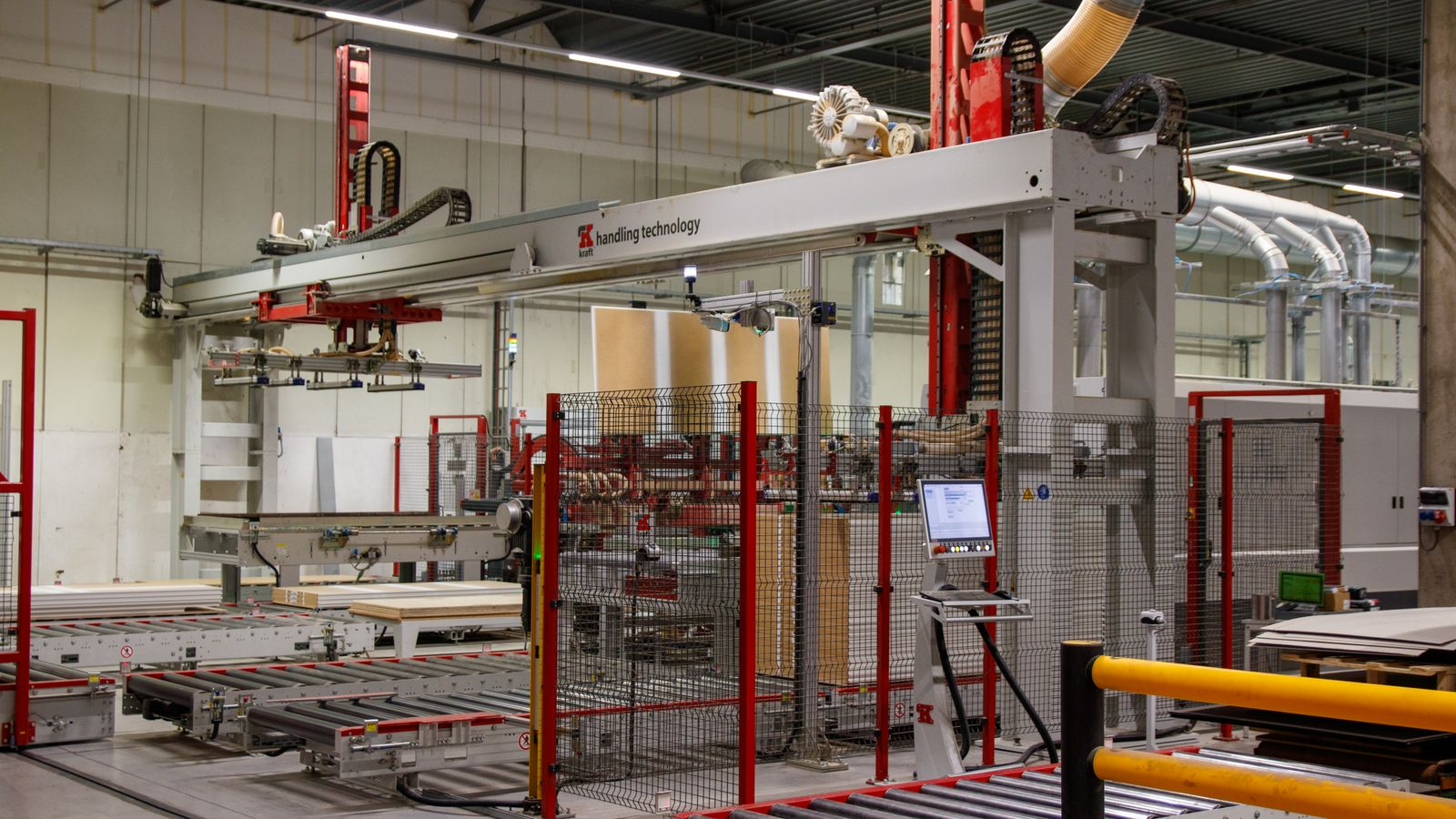
Actus says the project incorporates next-generation robotics and automation systems across the site, with process improvements also made to drying operations and liquid-management capability. Carbohydrate-processing systems have been upgraded at the same time, indicating that the programme was designed around overall plant throughput rather than one isolated bottleneck.
That distinction is important in whey processing. Drying can become a major constraint because the upstream system may be capable of producing more concentrated liquid than the dryer can economically convert into powder. If the drying stage is saturated, extra filtration or separation capacity elsewhere in the plant produces little practical benefit.
Automation can help in a different way by improving repeatability and reducing manual intervention across high-volume operations. Robotic handling is most useful where tasks are frequent and predictable, while automated controls can hold parameters such as flow, temperature, concentration, and transfer conditions within tighter operating limits than ad hoc manual adjustment.
Those controls become more valuable as the site handles a broader mix of whey-based ingredients. Actus says the Fond du Lac facility produces whey protein concentrates, whey protein isolates, hydrolysates, sweet whey powder, and specialist ingredients including lactoferrin. Each product places different demands on the process, so a plant built around one fixed operating condition would struggle to use additional capacity efficiently.
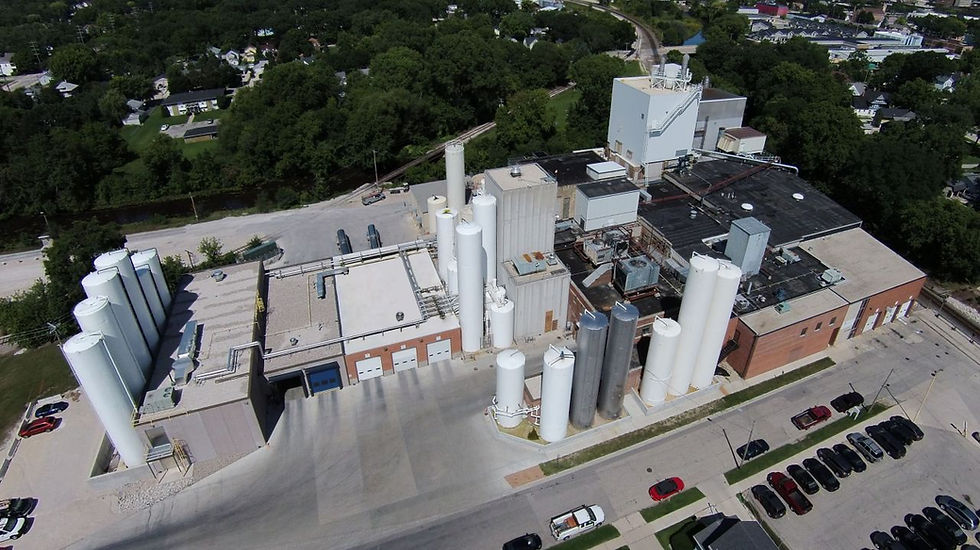
The facility itself has a long manufacturing history. Originally built in 1918, it has developed into what Actus describes as North America’s largest whey protein isolate manufacturing site. That makes the latest investment a modernisation of an established processing base rather than a greenfield expansion, bringing the usual integration challenge of installing new systems around equipment, utilities, and production schedules that are already in service.
Whey has also changed economically within dairy manufacturing. What was once treated largely as a low-value co-product can now be separated, concentrated, and refined into ingredients used across sports nutrition, clinical nutrition, healthy-ageing products, functional foods, and other high-protein applications. The value available from those streams depends on maintaining product specification, yield, and hygiene as volume increases.
That is where process consistency becomes commercially important. Customers buying protein ingredients expect repeatable composition and functional performance from batch to batch, while food and nutrition manufacturers may use the powder in formulations that are sensitive to changes in protein content, solubility, flavour, or processing behaviour. A capacity project that increases output without maintaining those characteristics would create more volume but not necessarily more usable value.
Actus says the expansion will create several new full-time positions, while more than 100 contractors worked alongside employees and project partners during the programme. The company has framed the investment around long-term competitiveness and a more scalable operation, although the practical result will be measured through throughput, downtime, labour efficiency, and the amount of specification-compliant powder the plant can produce.
Energy use will be another test. Whey drying is inherently energy-intensive, and higher production does not automatically mean better economics if each additional pound of powder carries a disproportionate utility cost. Modernisation can improve efficiency through better heat management, controls, and equipment utilisation, but the realised benefit depends on the complete process rather than the rated performance of individual machines.
The same applies to cleaning and maintenance. Larger volumes increase the consequences of an unplanned shutdown, while more automated equipment can only improve productivity if maintenance systems keep sensors, drives, pumps, conveyors, and control hardware available. Capacity therefore has to be supported by plant reliability as well as by the headline addition of processing equipment.
For Actus, the 40 million-pound annual increase provides a substantial new volume platform at Fond du Lac. The more significant industrial change is that the extra capacity has been paired with automation and infrastructure work intended to make the whole site easier to scale. If those systems deliver the expected gains, the project should allow the company to increase output without simply asking a century-old dairy plant to run its existing assets harder.