IN Brief:
- Israel has authorised sweelin for more than 25 food and beverage categories following regulatory milestones in the US and Singapore.
- Amai describes the precision-fermented modified monellin as around 3,000 times sweeter than sugar by weight.
- FDA issued a no-questions letter for Amai's GRAS notice in February; this is not the same as FDA approving the ingredient.
Amai Proteins has secured Israeli regulatory clearance for sweelin, opening more than 25 food and beverage categories to the company’s precision-fermented sweet protein and extending its commercial regulatory footprint after earlier milestones in the US and Singapore.
The Israeli Ministry of Health has authorised the ingredient for its intended applications, allowing food and beverage manufacturers to formulate products containing sweelin for the domestic market. Amai describes Israel as the third market to clear commercial use of the ingredient in less than six months.
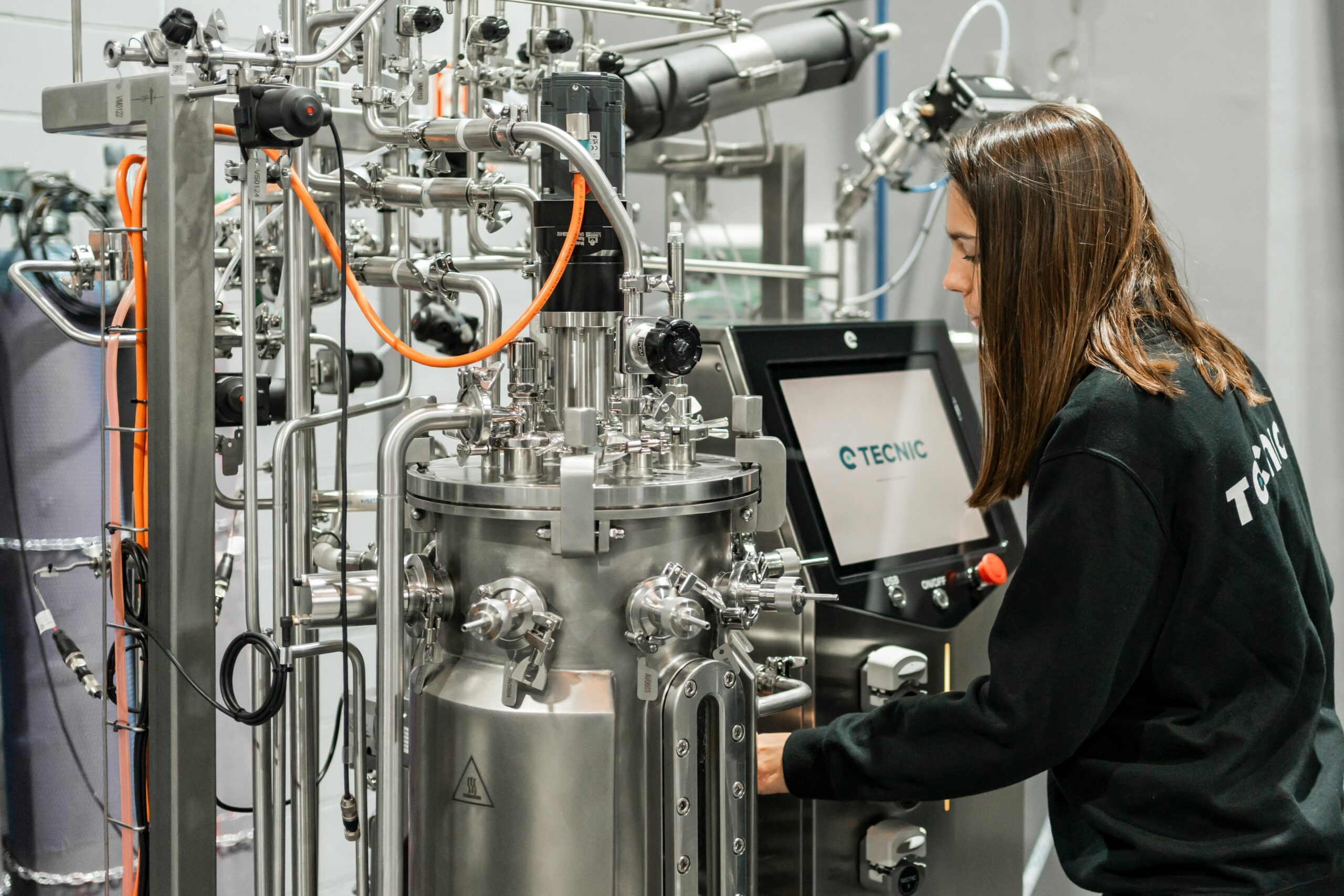
Sweelin is based on monellin, an intensely sweet protein associated with the serendipity berry. Amai produces a modified form through precision fermentation using a production strain of Komagataella phaffii, allowing the protein to be manufactured through an industrial fermentation process rather than extracted from fruit.
The company says sweelin is around 3,000 times sweeter than sucrose on a weight basis and can support sugar reductions of up to 70% in appropriate formulations. Those are Amai’s performance claims rather than universal outcomes, and the achievable reduction will depend on the product, recipe, process, sensory target, and functions previously supplied by sugar.
Dr Amir Guttman, chief executive officer of Amai Proteins, said: “Receiving regulatory approval in Israel is an important commercial milestone for Amai Proteins.”
The regulatory progress removes one obstacle for manufacturers considering high-intensity sweet proteins, but approval alone does not turn sugar reduction into a simple substitution exercise. Sucrose supplies more than sweetness in many manufactured foods, contributing solids, bulk, mouthfeel, water activity, browning, freezing behaviour, texture, and process characteristics.
That becomes particularly important when the replacement ingredient is several thousand times sweeter by weight. Only a very small quantity of sweelin is required to provide sweetness, leaving formulators to replace the physical mass and functional contribution of the sugar that has been removed.
The resulting approach can differ substantially between applications. A beverage may require relatively little structural replacement, while confectionery, bakery, dairy, sauces, or frozen foods can depend on sugar for properties extending well beyond taste.
Amai has developed sweelin around industrial processing requirements, including stability across temperature and pH conditions. Precision fermentation also provides a route to scaling production independently of the limited agricultural availability of naturally occurring sweet proteins.
The fermentation stage is only part of the manufacturing system. Commercial output also depends on recovery, purification, consistency between batches, microbiological control, and the ability to supply customers at a cost that works at the very low use levels required in finished products.
Dosing accuracy becomes important for the same reason. A highly potent ingredient gives manufacturers a potential logistics advantage because comparatively little material is needed, but low inclusion rates can make dispersion and metering more sensitive. A small dosing error can have a disproportionately large sensory effect when the ingredient carries thousands of times the sweetness intensity of sucrose.
The US regulatory position provides useful context for the Israeli clearance. Amai submitted GRAS Notice 1269 for a modified monellin preparation produced by K. phaffii CBS 150005, intended for use as a general-purpose sweetener at levels consistent with good manufacturing practice.
FDA closed the notice in February 2026 with a letter stating that the agency had no questions regarding Amai’s conclusion. That wording is materially different from the phrase “FDA approved”, which appears in Amai’s commercial announcement. A GRAS no-questions letter does not constitute an FDA approval or an independent agency affirmation that the ingredient is GRAS.
Responsibility for ensuring a marketed ingredient and finished food comply with applicable requirements remains with the businesses placing those products on the market. For food manufacturers, the distinction matters when technical teams translate supplier claims into specifications, regulatory dossiers, labels, and customer documentation.
Amai also reports regulatory approval in Singapore, giving customers three markets across which commercial projects can now be considered. Wider geographical clearance can make an ingredient more attractive to multinational manufacturers because development work can support several product markets rather than being restricted to a single territory.
The next barrier is likely to be application economics. Product developers have to assess the cost of sweelin itself alongside bulking ingredients, processing changes, sensory optimisation, clean-label requirements, and any shelf-life work needed once sugar is removed.
The answer will vary by category. High sweetness potency can reduce ingredient mass and transport requirements, but those savings do not automatically offset the cost of rebuilding texture or solids where sucrose performed several functions simultaneously.
Manufacturers will also need to establish performance under their own process conditions. Stability demonstrated by an ingredient supplier does not remove the need for factory trials involving actual heat treatment, mixing, fermentation, acidity, storage, packaging, and intended shelf life.
The Israeli decision therefore moves sweelin further from food-tech development and towards conventional ingredients procurement. Regulatory access now covers a broad enough range of applications for commercial formulation work to expand.
The more revealing measure will be what follows: finished products, repeat ingredient orders, validated factory processes, and evidence that manufacturers can remove substantial quantities of sugar without replacing one formulation problem with several new ones.