IN Brief:
- Vetropack has dismantled furnace 21 at St-Prex, where glass production ended in June 2024 after 113 years.
- Around 8,000 tonnes of recycled glass and quartz sand have left the Swiss site in roughly 300 shipments since March.
- Production and inspection equipment is being redistributed within the group as the former glass plant enters its final decommissioning stages.
Vetropack has completed another major phase of dismantling at its former St-Prex glass packaging plant in Switzerland, taking apart furnace 21 and moving the site’s remaining stocks of recycled glass and quartz sand.
The work is part of the continuing decommissioning programme at the factory, where the final bottles left production on 27 June 2024 after 113 years of glassmaking. Since then, the site has progressively shifted from production into equipment removal, materials recovery, recycling, and preparation for its eventual redevelopment.
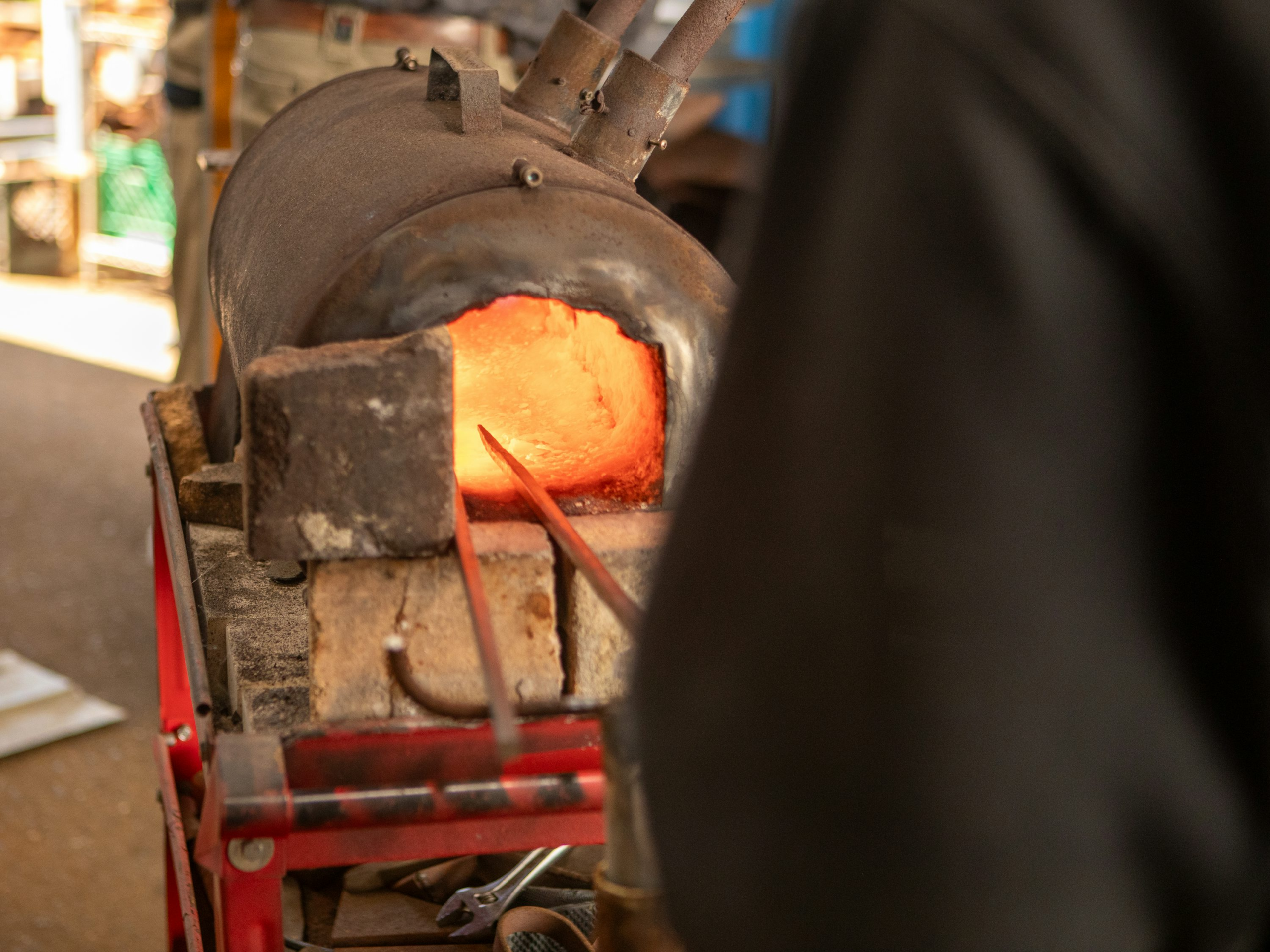
Furnace 21 was dismantled component by component with specialist contractors, with reusable elements prepared for further use where practical. Vetropack describes the furnace as one of the more technically demanding parts of the programme because dismantling had to be coordinated with other work taking place across the site.
Christian Schmutz, business site manager at Vetropack, said: “The dismantling of furnace 21 was not a simple task.”
Vetropack said the work was completed safely and on schedule. A smaller site team remains in place to coordinate the remaining activity as the physical footprint of the former production operation continues to contract.
Materials removal has been substantial. Since the beginning of March, approximately 8,000 tonnes of recycled glass and quartz sand have left St-Prex in around 300 shipments to other Vetropack sites and external partners. The final deliveries from those stocks were completed in mid-August.
The movement of cullet is particularly relevant because glass manufacturing normally depends on returning recovered glass directly into the melting process. Once production stopped at St-Prex, that local outlet disappeared, leaving the group to redirect material elsewhere rather than feeding it back into the site’s own furnace.
Vetropack closed its remaining cullet-processing activity at St-Prex during the first half of 2026 and has moved towards a new Swiss recycling arrangement involving long-term partners. That brings the recycling operation into line with the wider closure programme rather than maintaining a standalone processing function on a site that no longer melts glass.
Production and inspection equipment has followed a similar redistribution strategy. Machinery removed from St-Prex has been transferred to other Vetropack factories where it can be incorporated into future production and infrastructure projects, extending the useful life of assets that would otherwise have been left behind by the closure.
Earlier stages of the programme included the transfer of a complete production line and inspection equipment to Chișinău in Moldova, while equipment for the hot end and inspection processes was allocated to Hostomel in Ukraine. Other machinery has been directed to plants elsewhere in Vetropack’s European network as individual dismantling phases have been completed.
Reusing manufacturing equipment avoids treating a closed factory as a simple demolition project, although relocation carries its own engineering workload. Machines have to be disconnected, transported, inspected, rebuilt, integrated with existing lines, and recommissioned before they contribute to production at another plant.
The St-Prex closure was announced in 2024 after Vetropack concluded that continued glass production at the Swiss site was no longer economically viable. Its shutdown ended the group’s glass manufacturing in Switzerland and left the company with the longer task of unwinding an energy-intensive industrial site rather than simply switching off the furnace.
That process has coincided with wider capacity adjustments across Vetropack’s European operations. In the first half of 2026, the group reported net sales of CHF 404.6 million, 2% below the previous year’s level on a reported basis, although sales increased by 0.7% at constant exchange rates.
Reported operating profit fell from CHF 20.5 million to CHF 11.8 million, while adjusted operating profit was CHF 16.6 million. Vetropack recorded CHF 4.8 million of adjustments covering follow-on costs associated with the St-Prex closure and temporary furnace shutdowns at its Kremsmünster plant in Austria and Chișinău in Moldova.
The figures show how long the financial effects of an industrial closure can continue after production stops. Furnaces, refractory materials, cullet, utilities, machinery, buildings, logistics, and site management all remain part of the cost base while the plant is dismantled and assets are either transferred, recycled, or disposed of.
Vetropack is making selective production investments elsewhere at the same time. Its Pöchlarn plant in Austria is being prepared for mass production of the lightweight tempered Rezon bottle, while the company is planning to consolidate two furnaces at Kremsmünster into a larger and more efficient unit.
The group approved its revised Strategy 2035 during the first half of the year, with emphasis on productivity, cost efficiency, product mix, and more targeted use of production infrastructure. Against that backdrop, equipment recovered from St-Prex becomes part of a broader effort to extract value from existing assets while capacity is reorganised across the network.
St-Prex itself is now well beyond the point at which a restart remains part of the industrial plan. Its furnace has been dismantled, bulk raw materials have left the site, cullet processing has ended, and production machinery continues to be reassigned elsewhere.
The remaining work is concerned with completing the withdrawal safely and preparing the property for its longer-term use. More than two years after the final bottle was made, the site demonstrates the rather longer timetable required to dismantle a glass factory once the relatively simple decision to stop production has already been taken.