IN Brief:
- Irish food and beverage exports reached €9.1 billion in the first half of 2026, down 3% against a particularly strong 2025 comparison.
- Prepared consumer foods maintained export value, while dairy, meat, beverages, seafood, and horticulture recorded declines.
- Manufacturers continue to prioritise automation, AI, tighter cost control, export diversification, and supply-chain resilience as margins remain pressured.
Bank of Ireland has reported a softer first half for Irish food and beverage exports, with manufacturers entering the remainder of 2026 under continued cost pressure while increasing investment in automation, artificial intelligence, and production efficiency.
Food and beverage exports were valued at €9.1 billion during the first six months of the year, down 3% against what the bank describes as an exceptionally strong comparable period in 2025. Prepared consumer foods held their export value, while dairy, meat, beverages, seafood, and horticulture all recorded declines.
The reduction is modest against the scale of Ireland’s export-oriented food industry, but it changes the operating backdrop after strong growth during 2025. Manufacturers are dealing with less support from export growth at the same time as many of the costs accumulated through ingredients, labour, utilities, packaging, refrigeration, logistics, and compliance remain embedded in factory economics.
Headline food inflation has eased more quickly. Annual food inflation stood at 0.6% in Ireland in June, compared with 1.7% in the UK and 1% across the EU, according to the sector outlook. That moderation is useful for consumers, but it does not mean processors have returned to the cost base that existed before the recent period of disruption.
Research cited in the report found that 91% of food businesses experienced an increase in the cost of doing business during 2025, while 85% expected costs to rise further during 2026. Those figures leave manufacturers with a familiar gap between the movement of consumer prices and the less tidy reality of factory contracts, commodity purchasing, wages, utilities, and freight.
Lucy Ryan, head of food and beverage sector at Bank of Ireland, said: “Despite ongoing market uncertainty, operators have adapted to changing conditions.”
Weather has added another variable. Extreme heat and low rainfall across Western Europe during the summer have increased concern around harvest yields and raw-material availability, potentially affecting both price and specification for processors buying agricultural commodities later in the year.
For factories, supply disruption rarely remains a procurement problem for long. Variation in crop quality, ingredient availability, or delivery timing can affect recipes, production schedules, line utilisation, stockholding, and customer service, particularly where an alternative raw material requires technical approval before it can enter production.
Trade uncertainty is having a similar effect on commercial planning. Irish exporters are increasingly looking to diversify across international markets rather than depend heavily on individual destinations. That can reduce exposure to one tariff regime or a sudden fall in demand, although it also creates additional manufacturing complexity.
Different markets can require different labels, pack formats, recipes, documentation, certifications, or product specifications. What appears commercially as export diversification can therefore arrive at plant level as more stock-keeping units, additional changeovers, smaller production campaigns, and tighter control over packaging and finished-product inventory.
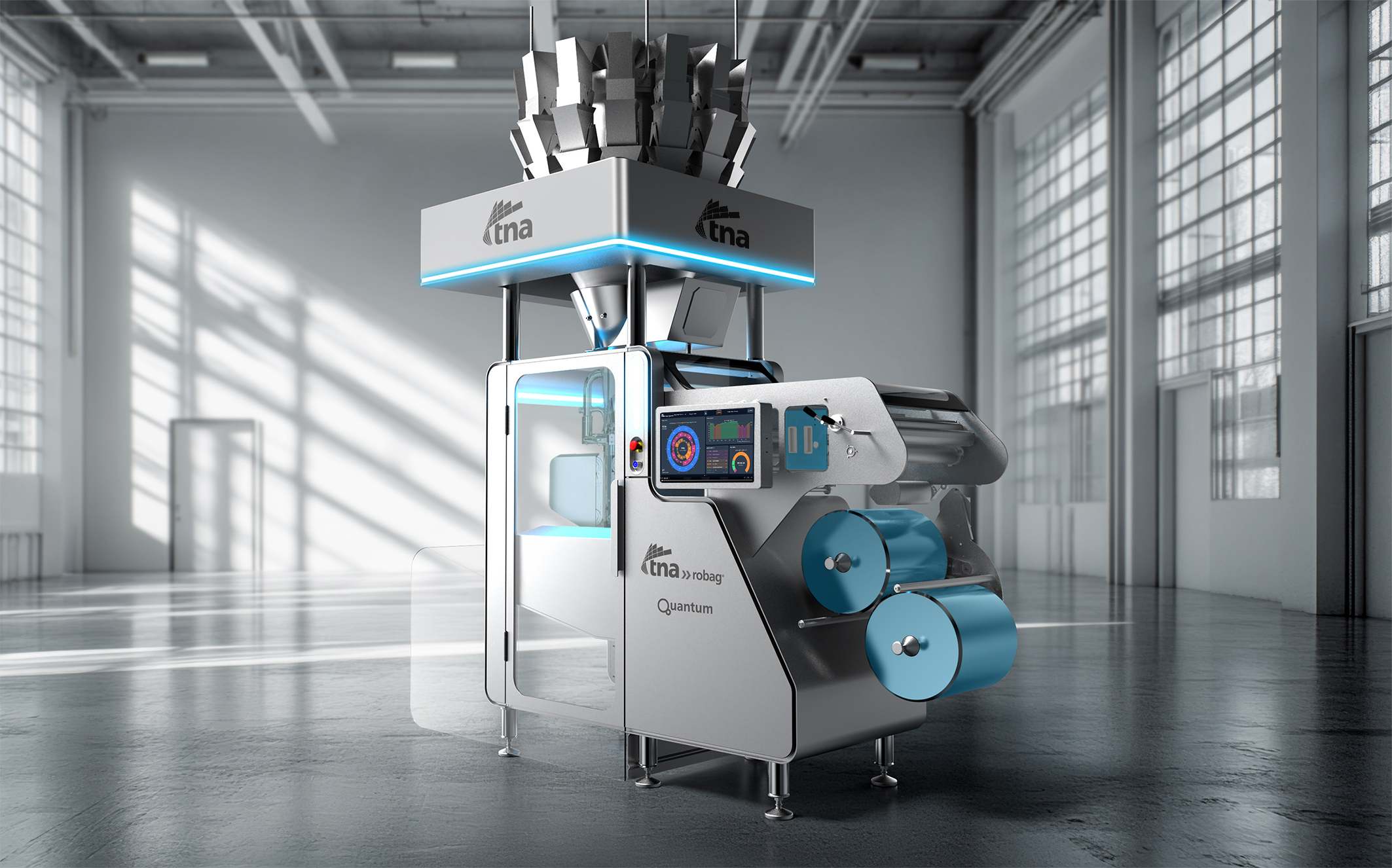
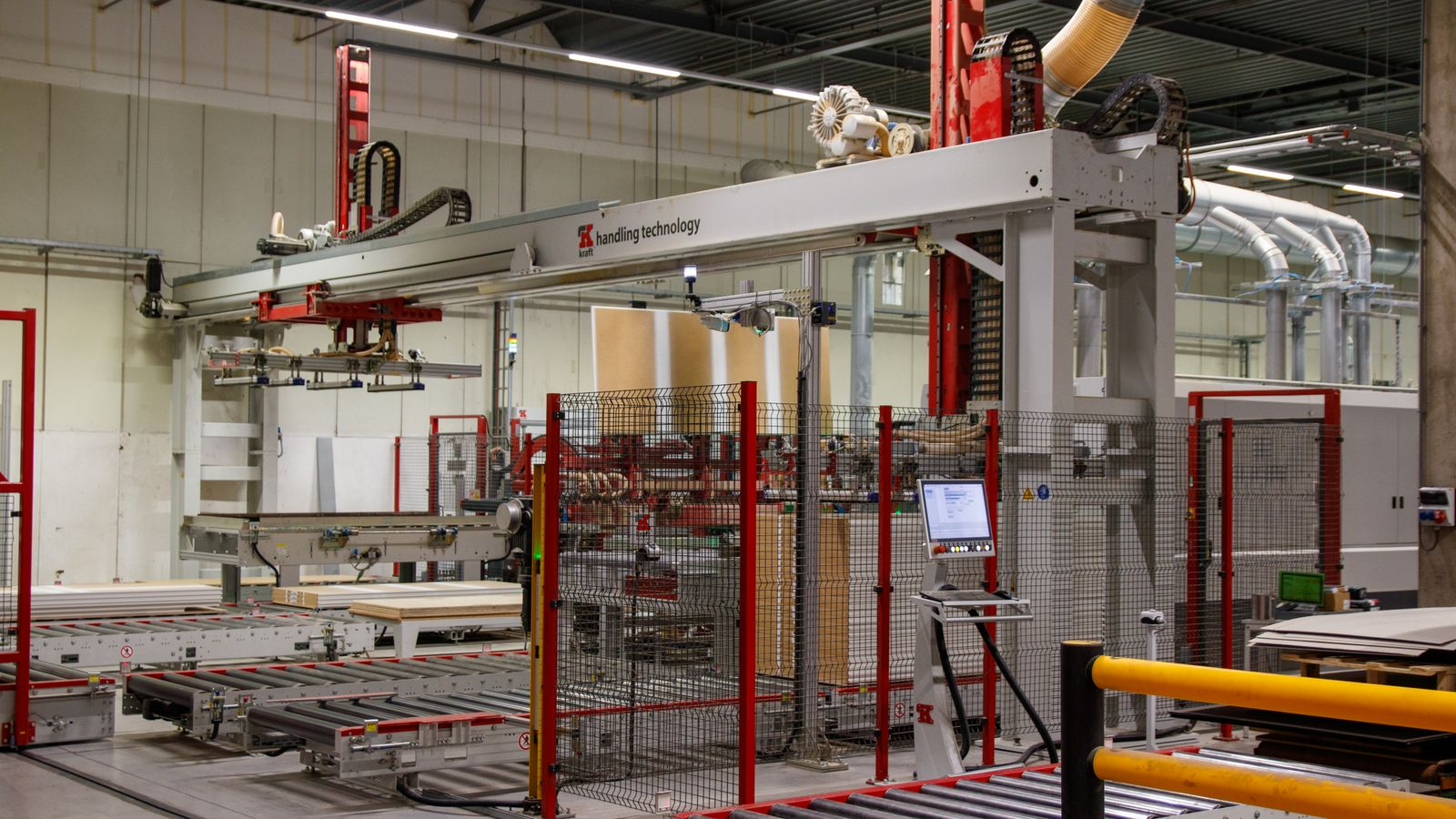
Technology investment is being used to manage some of that complexity. Bank of Ireland identifies growing adoption of automation, robotics, and integrated production systems as food businesses seek higher productivity, reduced labour exposure, and more consistent use of installed capacity.
Artificial intelligence is also moving into more defined applications, including quality control, predictive maintenance, production planning, and supply-chain management. The useful distinction is whether those systems improve measurable factory performance rather than whether a project carries an AI label.
Recent IN Food analysis of factory AI adoption found the same emphasis on maintenance, inspection, forecasting, and planning, alongside continuing obstacles around fragmented plant data, ageing machinery, skills, and integration. Food plants typically contain equipment from different suppliers and generations, making reliable data acquisition less straightforward than software demonstrations suggest.
Predictive maintenance, for example, can reduce unplanned downtime where sensor history is sufficiently reliable to distinguish equipment deterioration from normal process variation. Production scheduling can improve utilisation where systems have accurate information on orders, ingredients, labour, changeovers, shelf life, and line constraints. Weak source data simply automates an unreliable plan more quickly.
Capital discipline is therefore becoming more important. Bank of Ireland expects businesses to remain cautious on investment while favouring projects that improve productivity, sustainability, resilience, or competitiveness. In practical terms, equipment that removes a recurring bottleneck, reduces waste, cuts energy use, or improves throughput has an easier investment case than a loosely defined digital programme.
Regulatory requirements add to that pressure on systems and records. Food producers selling across European markets are facing increasing demands around packaging, traceability, sourcing, and sustainability, bringing technical, procurement, quality, and production teams into closer contact with data that was once managed separately.
The EU Deforestation Regulation is one example for businesses handling commodities including cattle, cocoa, coffee, and soy. Greater traceability expectations require companies to connect sourcing evidence with the materials actually entering products, rather than treating compliance as a document held independently of factory and supplier records.
Merger and acquisition activity nevertheless indicates continuing appetite for the sector. The outlook highlights Scandi Standard’s €127 million acquisition of Glenhaven Foods in County Wicklow and Nichols’ €75 million purchase of Irish functional-drinks business VITHIT, alongside further activity in the spirits market.
Domestic grocery demand has also remained supportive. Irish grocery sales increased 6.3% during the four weeks to 12 July, although stronger retail sales do not directly compensate exporters whose manufacturing assets and customer relationships are built around overseas markets.
The more important question for processors is whether higher domestic or international demand arrives in a form that makes efficient use of production capacity. Volume spread across too many low-run products can place more pressure on lines than a larger quantity concentrated into fewer formats, particularly when hygiene and allergen changeovers consume significant available time.
That is why automation and planning investment sits naturally beside export diversification in the current outlook. A broader market base can reduce commercial concentration, but factories then need enough flexibility and visibility to produce that broader mix without allowing additional complexity to consume the margin that diversification was intended to protect.
Bank of Ireland’s wider business research found that 62% of Irish food and drink companies remained positive about their own growth prospects despite much weaker expectations for the economy. That confidence is not inconsistent with the current export decline; it reflects a sector still investing while operating conditions become less forgiving.
The second half of 2026 will therefore test how effectively Irish processors convert technology spending and tighter operating control into productivity. Export growth no longer provides quite the cushion it did in 2025, and input-cost relief remains uneven. Plants that can extract more saleable output from labour, materials, energy, and installed equipment will be better placed to absorb that difference than those waiting for the cost environment to become comfortable again.