IN Brief:
- Avantium has completed commissioning of the purification section at its commercial-scale FDCA plant in Delfzijl.
- Utilities, sugar dehydration, oxidation, and purification have now been commissioned ahead of integrated operation.
- First FDCA batches, qualification work, and commercial deliveries remain planned for late 2026, subject to successful start-up.
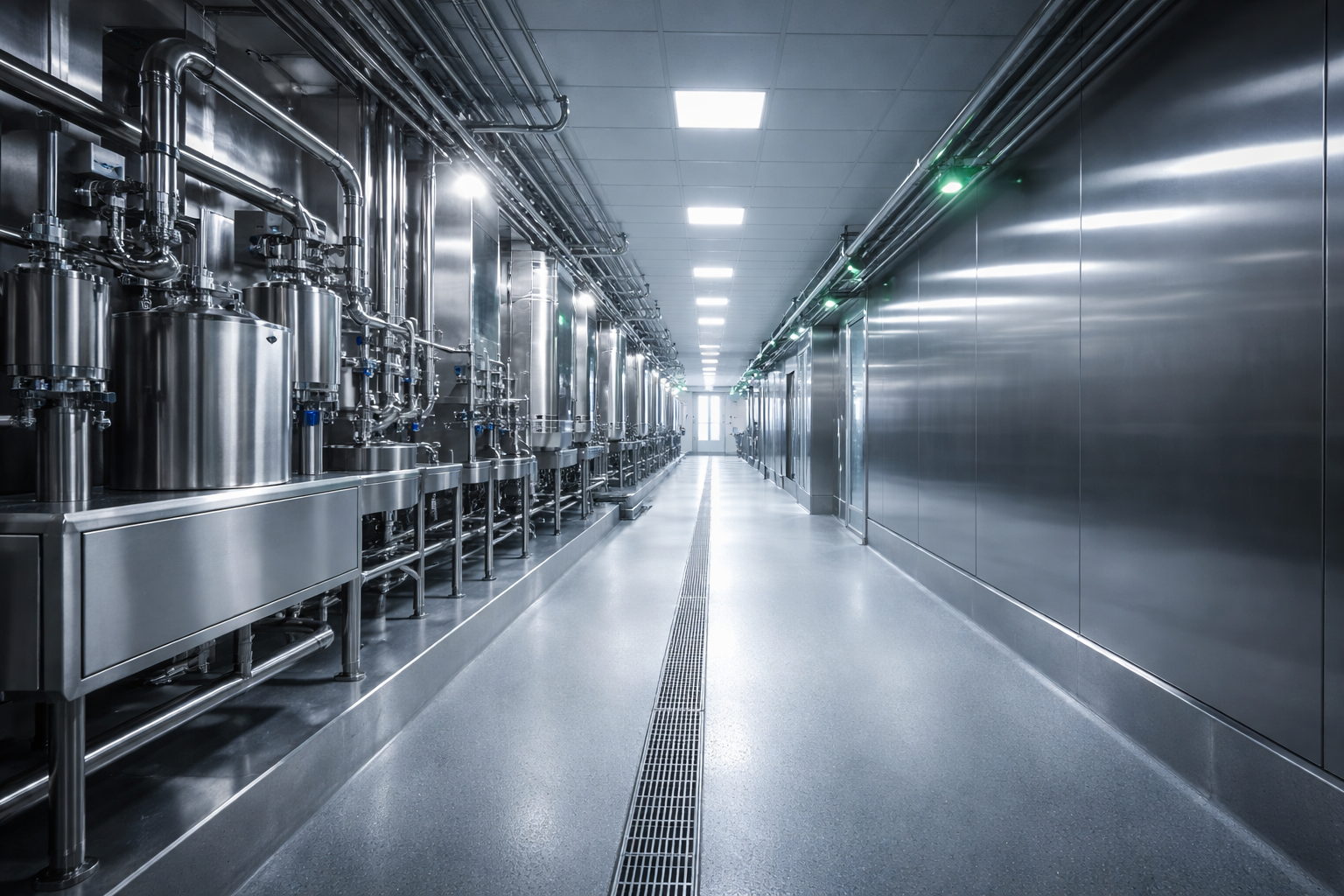
Avantium has completed commissioning of the purification unit at its FDCA Flagship Plant in Delfzijl, bringing all major process units through commissioning and moving the facility into integrated start-up work.
The purification milestone follows the earlier start-up of utility systems and the sugar-dehydration section, followed by commissioning of the oxidation unit. Avantium is now preparing for the first production of furandicarboxylic acid, or FDCA, using the complete process chain.
The distinction between commissioning and commercial operation remains important. Individual sections have demonstrated that they can be brought into service, but the company still has to complete full plant start-up, produce initial FDCA batches, qualify the material, and prepare for deliveries under existing offtake agreements.
Avantium expects that work to continue through the remainder of 2026. Commercial sales are planned to begin at the end of the year, subject to successful start-up and product qualification, while ramp-up to full design capacity is expected to take about 24 months after start-up.
The Delfzijl facility has a design capacity of 5,000 tonnes of FDCA a year. FDCA is the building block used in Avantium’s polyethylene furanoate, or PEF, polymer, which the company markets under the releaf brand for applications including bottles, other rigid packaging, films, and fibres.
Purification is a critical section of the plant because downstream customers require material produced to a repeatable specification before commercial applications can progress beyond development work. Stable operation of the complete process will therefore matter as much as the completion of the individual commissioning steps.
Hero de Jager, interim chief operations officer at Avantium, said: “Having completed commissioning across all major process units, our focus now shifts to the production of the first batches of FDCA.”
The flagship plant has reached this point later than Avantium initially expected. Construction was completed in 2024, but commissioning subsequently identified quality problems involving titanium welds, requiring repair before the remaining sections could safely be brought into operation.
The repair programme was completed earlier in 2026, allowing commissioning work to resume. The oxidation section then reached its milestone in August, leaving purification as the final major process unit awaiting commissioning.
That oxidation milestone placed the plant one process step short of the position now reached. Completion of purification is therefore a distinct operational development, although production qualification and commercial supply remain outstanding.
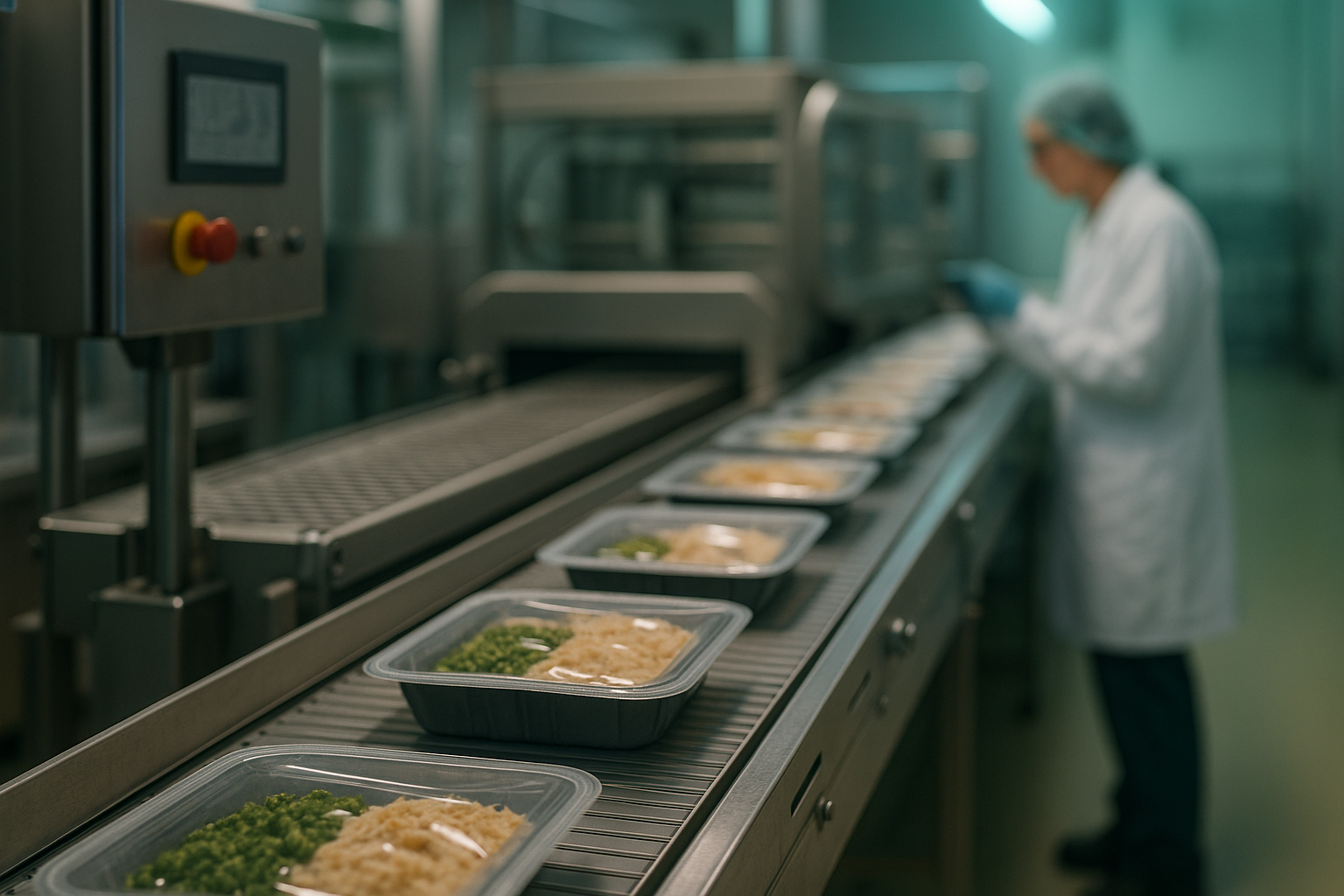
For food and beverage packaging, the plant provides the first commercial-scale source for a polymer Avantium has been developing with converters and brand owners across several applications. The company describes PEF as plant-based and recyclable and has focused on performance areas including gas barrier properties and opportunities to reduce dependence on fossil-derived packaging materials.
Several downstream projects are already intended to use material from commercial production. Packaging producer Gepack and beverage manufacturer Frubaça have been working with Avantium on small-format PEF bottles for functional drinks, while other agreements cover beverage, food, and rigid-packaging applications.
Those projects depend on more than the availability of resin in principle. Converters need material with consistent processing behaviour, while food and beverage producers need packaging that can run through forming, filling, sealing, handling, and distribution processes without introducing new quality problems.
The qualification phase following first production will establish whether output from Delfzijl meets the specifications required under Avantium’s existing agreements. Only after that work can the commissioning milestone translate into routine commercial supply.
The facility also has a strategic role beyond its own 5,000-tonne capacity. Avantium intends the plant to demonstrate its YXY process at commercial scale and support licensing discussions for larger facilities, making operating reliability at Delfzijl relevant to both near-term material sales and the company’s longer-term technology model.
A 24-month ramp to full design capacity underlines the remaining operational work. Chemical plants rarely move directly from commissioning into steady maximum output, particularly where a new process is being demonstrated commercially for the first time.
The purification milestone nevertheless removes the last outstanding major-unit commissioning step identified in Avantium’s recent start-up programme. Attention now shifts from individual sections to the behaviour of the complete plant — first production, product quality, operating stability, and whether qualified FDCA can begin moving to customers by the end of 2026.