IN Brief:
- Sazerac intends to offer €5.55 per Berentzen share, around 68% above the unaffected three-month volume-weighted average price.
- Completion requires acceptances covering at least 50% plus one share, with Berentzen's executive and supervisory boards supporting the transaction.
- Berentzen adds established German spirits, non-alcoholic beverage, bottling, and fresh juice system operations.
Sazerac has agreed a business combination with Berentzen-Gruppe and intends to launch a voluntary public takeover offer at €5.55 per share, targeting a German drinks business with established spirits, non-alcoholic beverage, bottling, and fresh juice system operations.
Berentzen’s executive and supervisory boards support the proposed transaction. The offer price represents a premium of about 68% to the company’s unaffected three-month volume-weighted average Xetra share price before 16 September, while completion is conditional on acceptances covering at least 50% plus one share.
The bidder is a wholly owned Sazerac holding company that is expected to become Sazerac Germany Holding. The formal offer document is being prepared for submission to Germany’s Federal Financial Supervisory Authority, BaFin, and the transaction is expected to complete in the fourth quarter of 2026 if the conditions are satisfied.
Sazerac intends to pursue a delisting of Berentzen after a successful takeover. Berentzen’s executive board has indicated that it intends to support that step, subject to its fiduciary duties. The company has also stated that no separate regulatory clearances are required for the transaction.
Berentzen operates across three principal business segments: spirits, non-alcoholic beverages, and fresh juice systems. Its portfolio includes Berentzen and Puschkin spirits, Mio Mio and other non-alcoholic drinks, and Citrocasa equipment and products for fresh orange juice.
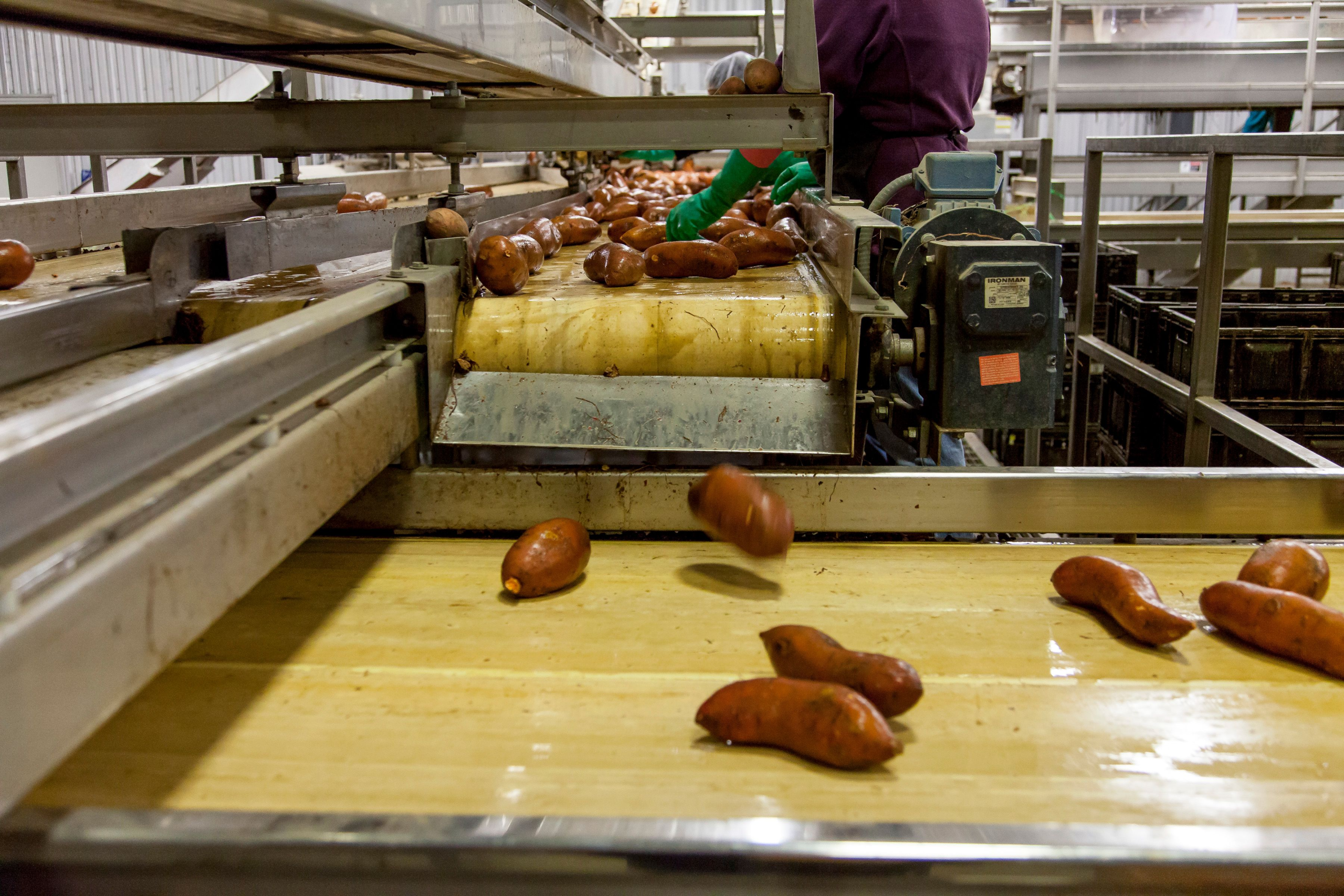
The manufacturing base gives the acquisition an industrial dimension beyond brand ownership. Berentzen’s Minden plant bottles more than 80 million bottles of spirits a year, while Haselünne includes a production facility for non-alcoholic beverages. The wider group operates across several German and Austrian locations and sells products internationally.
The takeover proposal arrives after a difficult first half for Berentzen. Revenue fell to €71.0 million from €79.9 million a year earlier, while EBIT declined to €0.6 million from €3.2 million. The group subsequently adjusted its 2026 forecast after weaker consumer demand, particularly in its German alcoholic-beverage business.
Those figures put utilisation and sales growth near the centre of the combination. Existing bottling and beverage assets carry fixed costs regardless of whether lines are running at full capacity, while a larger international sales network can create additional routes for products manufactured in Germany. The benefit depends on whether added volume can be introduced without multiplying low-volume pack formats and market-specific complexity.
Packaging is one area where the enlarged group could gain scale. Spirits and soft drinks require large volumes of bottles, closures, labels, cartons, cans, and transport packaging, but brand identity often depends on distinctive formats. Procurement leverage can improve with volume, although any savings have to be balanced against product differentiation and the tooling, line settings, and stockholding associated with unique packs.
Production planning presents a similar trade-off. International growth can increase throughput through established plants, but every additional market can introduce its own labels, languages, deposit-return requirements, alcohol duties, case configurations, and promotional formats. Higher volume only improves manufacturing economics when those variants are controlled tightly enough to avoid excessive changeovers and inventory.
The fresh juice systems business adds another operating model to the portfolio. Equipment supply, service, consumables, and customer support differ from manufacturing bottled spirits or soft drinks, making the proposed group broader than a conventional beverage-brand acquisition. Integration will have to accommodate those differences rather than forcing all three segments into the same commercial or production structure.
No factory closure, production transfer, or immediate restructuring has been announced. Sazerac has nevertheless been active recently, completing its acquisition of Au Vodka and adding Garrard County distilling capacity in Kentucky. The Berentzen proposal is separate and remains conditional rather than completed.
Berentzen’s plants already provide Sazerac with physical production capability if the offer succeeds. The operational question is therefore less about constructing capacity than deciding how brands, private-label work, export volume, procurement, and capital investment are allocated across an established network.
That process would take place while Berentzen continues to trade through a weaker domestic market. Greater access to Sazerac’s international distribution could support export growth, but production economics will depend on the mix of products and markets rather than headline volume alone. Spirits, soft drinks, and equipment each carry different margins, lead times, and manufacturing requirements.
The offer has not yet opened formally. BaFin must review the offer document before publication, after which shareholders will be able to decide whether to tender their shares. Until the acceptance threshold and other conditions are met, Berentzen remains an independent listed company and the manufacturing consequences remain prospective.
If the transaction completes in the fourth quarter as expected, Sazerac will add a German production and commercial platform extending well beyond a single spirits brand. The next steps are review of the offer document, shareholder acceptance, and completion of the proposed takeover before any wider integration of manufacturing, procurement, or distribution can begin.