IN Brief:
- Mr Whippy completed a full factory test at its £15 million Sheffield site after finishing the specialist fit-out.
- The Woodhouse Link operation integrates doughnut production, packing and dispatch, with equipment supplied by WP Kemper, Rondo, Proseal and Starfrost.
- Commercial manufacturing and final sign-off are expected later in 2026; the previously stated 104 million doughnuts a year remains a projected capacity.
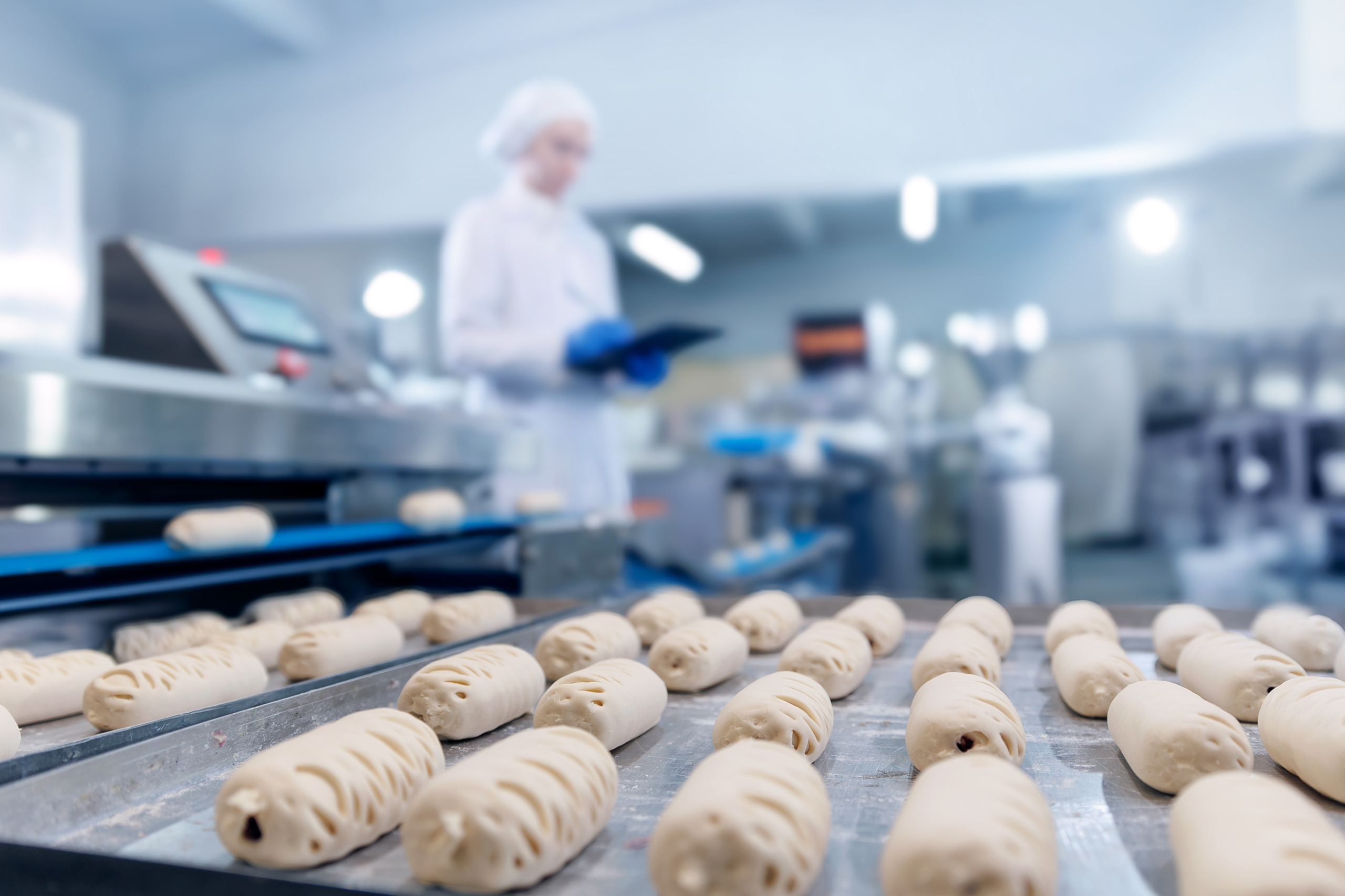
Mr Whippy has completed a full factory test at its £15 million doughnut manufacturing facility in Sheffield, with the first products passing through the newly fitted production line. The specialist food production fit-out at Woodhouse Link was finished in September, allowing the company to test the integrated operation ahead of commercial manufacturing. Production sign-off is still expected later in 2026, so the trial represents a completed operational milestone rather than the start of full output.
Founder and chief executive Michael Corrado Jackson said the project had progressed from concept to the test launch in 13 months, compared with the longer timescale he would normally expect for an investment of this kind. Chairman and investor Scott Fletcher MBE oversaw the factory trial alongside the company’s senior management team, whose earlier recruitment brought together technical, bakery, engineering and operational expertise ahead of the move into larger scale doughnut production.
Alongside that recruitment, the Woodhouse Link facility brings manufacturing, packing and dispatch under one roof, with Mr Whippy describing an automated operation extending from production through distribution. WP Kemper, Rondo, Proseal and Starfrost are among the specialist equipment and systems suppliers involved, although Mr Whippy has not identified the individual machine models, disclosed the line’s control architecture or reported the operating speed achieved during the factory trial.
Maintaining consistent output across that operation will require dough preparation, portioning, forming, proofing, cooking and downstream handling to remain coordinated, as changes in dough temperature, moisture and fermentation can affect shape and consistency. Equipment at one stage must deliver material in a condition suitable for the next, with adjustments potentially required when those properties vary. WP Kemper supplies industrial doughnut systems covering operations such as mixing, dividing and forming, but the specific Sheffield configuration has not been disclosed. Sustained performance across extended runs has yet to be reported.
To control product temperature before packing, Starfrost was contracted to supply a Helix spiral cooler supported by a carbon dioxide refrigeration plant from its parent company, Star Refrigeration. A spiral cooler moves product through a controlled environment over a defined residence time, providing a longer cooling path within a relatively compact factory area. Adequate cooling before decoration or packing helps control coating behaviour and limit moisture collecting inside closed packs. The Sheffield installation’s operating temperatures, residence times and measured cooling capacity have not been disclosed.
Once cooled, doughnuts must pass through handling and packing without damage to surfaces or decorations, with the packaging format influencing how products are supported and separated. Proseal is among the named equipment partners, although Mr Whippy has not identified its packaging machine model or the types of packs used during the test. Pack geometry, protection against contact damage, sealing and accurate labelling will all influence the repeatability of this stage when the site moves from trial products to regular dispatch volumes.
The first products travelling through the fitted line belong to a new range that Mr Whippy describes as free from palm oil and developed with longer shelf life in mind. Removing palm oil from a bakery formulation can alter the behaviour of the fat system during mixing, cooking and storage, depending on the ingredients chosen to replace it. Shelf life also depends on moisture movement, microbial controls, the stability of fillings and coatings, and the packaging selected. The company has not published recipes, measured shelf life, storage conditions or independent validation data for the range, leaving its claimed storage performance unquantified.
Alongside consistent product quality, the factory must eventually demonstrate output against Mr Whippy’s previously stated ambition of more than 104 million doughnuts a year. The October trial provides evidence of an initial product run, but no updated throughput measurement or commercial delivery total has been reported. Annual production at the projected scale would depend on line speed and available running hours, as well as keeping production, cooling, packing and dispatch balanced after allowing for maintenance, cleaning and product changeovers.
The production mix will influence that balance, since doughnut diameter and weight affect forming and handling settings while fillings and decoration can extend downstream processing time. As the commercial range has not been specified in enough detail, the frequency and duration of changes between products cannot yet be established. With doughnut production and packing in one facility, variations arising earlier in production can also affect the timing and consistency of the finished packs rather than remaining confined to one section of the line.
Maintaining that flow across regular shifts also depends on repeatable hygiene controls, since equipment handling dough, fillings and toppings requires cleaning procedures suited to the ingredients and process conditions. Bakery operations also need allergen segregation, environmental monitoring and traceable ingredient batches. An initial factory run can establish that equipment and handling systems operate together, while routine production requires validated procedures, trained operators and reliable records over time. No results of formal food safety certification or prolonged production trials have been reported for the Sheffield site.
Even when production and hygiene procedures are established, delivery performance will depend on the retailer arrangements being developed by strategic development director Joe Sealey. Locating packing and dispatch close to manufacturing can reduce internal transfers, although transport schedules and retailer intake requirements still determine when finished products reach customers. The anticipated creation of more than 50 jobs and the previously stated annual output remain projections attached to the factory investment, rather than outcomes measured in the initial trial.
With the specialist fit-out complete and the first doughnuts produced, the next operational milestone is formal production sign-off ahead of commercial manufacturing, both expected later in 2026. Regular manufacturing volumes, verified product shelf life and confirmed deliveries will provide evidence of the plant’s performance against its previously announced capacity and distribution plans.