IN Brief:
- CHS held a ceremonial groundbreaking near Evansville, Wisconsin, on 7 October 2026.
- The proposed plant is designed for 80 million bushels annually, yielding oil and meal.
- Physical construction remains subject to permits; completion was targeted for autumn 2028.
CHS has held a ceremonial groundbreaking for its proposed soybean processing plant near Evansville, Wisconsin, bringing local leaders, growers and officials together on 7 October 2026 ahead of physical construction. The cooperative expects the project to cost approximately $700 million and has designed the proposed operation to process 80 million bushels of soybeans each year. CHS expects annual output of approximately one billion pounds of soybean oil and two million tons of soybean meal. Construction remains subject to required permits.
The 7 October ceremony followed CHS’s September investment decision, while physical construction of the proposed facility remains contingent on receiving the necessary permits. It should not be treated as evidence that the main plant buildings or process equipment are under construction. CHS has identified autumn 2028 as a target for completion, subject to the project proceeding as planned. The company anticipates around 80 permanent positions once the facility is operating and additional employment during construction, but those posts have not all been created by the ceremonial event itself.
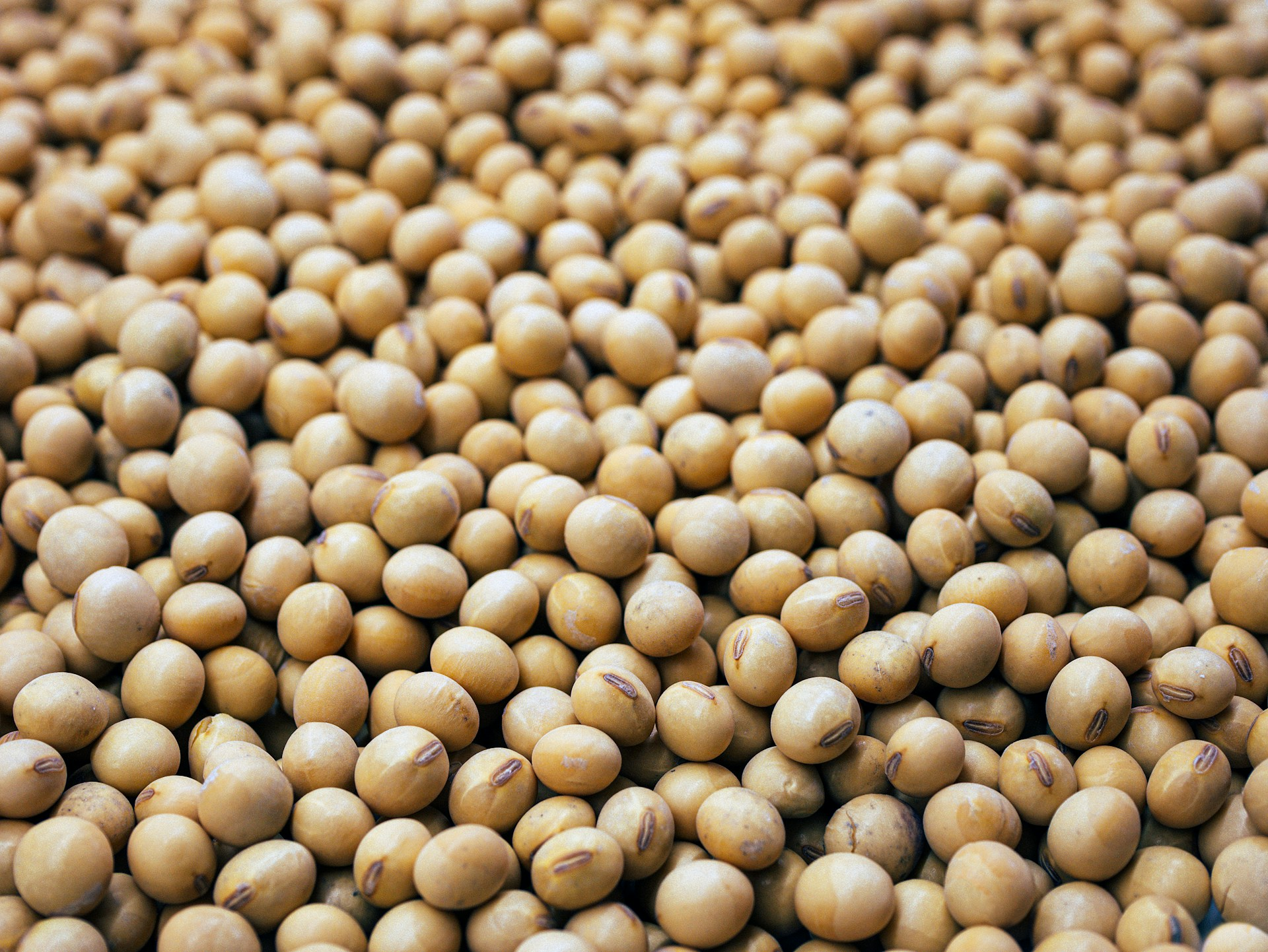
Once developed, the planned operation would convert regional soybean crops into oil and protein-rich meal, serving food, feed and other end markets. These outputs supply different end markets, including food processing, animal feed and renewable fuels. A plant’s economic performance depends on both the raw material purchased and the value of the separate products recovered. CHS expects the facility to create an additional outlet for soybean growers, although the distribution of finished products between individual customers and industries has not been reported.
Before oil can be recovered, incoming soybeans generally undergo cleaning and conditioning to remove unwanted material and prepare the crop for extraction. Foreign material must be removed and the beans prepared so that subsequent processing can separate the principal components efficiently. Depending on plant design, dehulling, cracking and flaking can prepare material for extraction, while handling systems maintain controlled movement between operations. CHS has not disclosed the exact equipment selected for Evansville. Any description of processing stages therefore represents established soybean processing practice, not a confirmed list of machines purchased for this project.
After conditioning, conventional extraction separates much of the oil from the solids, leaving a protein-rich fraction that requires further handling. In conventional operations this can involve solvent extraction, followed by removal of solvent and controlled treatment of the meal. Different recovery and treatment processes affect the properties of the oil and protein fraction. Engineering requirements include temperature control, the movement of large material volumes, maintenance access and safety precautions for processing equipment. The final configuration and operating conditions at the proposed plant remain to be established through detailed engineering and permitting.
The crude oil stream typically needs refining to meet many food applications’ specifications for colour, odour, stability and other characteristics. Refining can remove compounds affecting stability, appearance, odour and the suitability of the oil for its intended purpose. Other markets may require different grades or forms of the material. The company has not published the proportion of Evansville output intended for edible oils compared with renewable fuel or other industrial uses. The plant’s design output should therefore not be equated with a specific new quantity of consumer cooking oil.
Meanwhile, the remaining soybean meal provides a concentrated protein ingredient for feed, with its quality influenced by the starting crop and subsequent heat treatment. Sufficient treatment is needed to manage antinutritional components, while excessive heat can damage the nutritional value of the proteins. The expected output of two million tons of meal remains a design estimate rather than achieved production. Commercial meal specifications will depend on the selected production process and the requirements of feed customers.
Supplying an 80 million bushel annual processing operation would require coordinated grain intake, storage and outbound transport through seasonal variations in crop availability. Raw material intake, storage, transport and dispatch have to be planned around agricultural production patterns and customer demand. The location may change transport arrangements for regional growers, but CHS has not disclosed a verified reduction in logistics costs or emissions attributable to Evansville. The intended capacity also depends on the plant operating reliably over the year and cannot be treated as a forecast of actual first-year production.
With permits still outstanding, engineering and regulatory clearance must precede physical construction, and the proposed completion timing remains a target rather than a confirmed operating date. Large oilseed facilities may need to address air emissions, wastewater, dust, traffic and the safe handling of materials according to their final configuration and local rules. The ceremonial event does not replace those assessments or confirm their outcome. CHS also announced a separate $50,000 contribution to local community programmes, which should not be confused with the factory investment. Physical construction and later commissioning will provide stronger evidence of progress towards the autumn 2028 target.