IN Brief:
- Primo Brands has opened an approximately 200,000 sq ft Mountain Valley water factory in Hot Springs, Arkansas.
- The new facility incorporates one high-speed retail bottling line and two large-format production lines.
- Dedicated warehouse and logistics space supports the expanded manufacturing operation, although annual output and individual line speeds have not been disclosed.
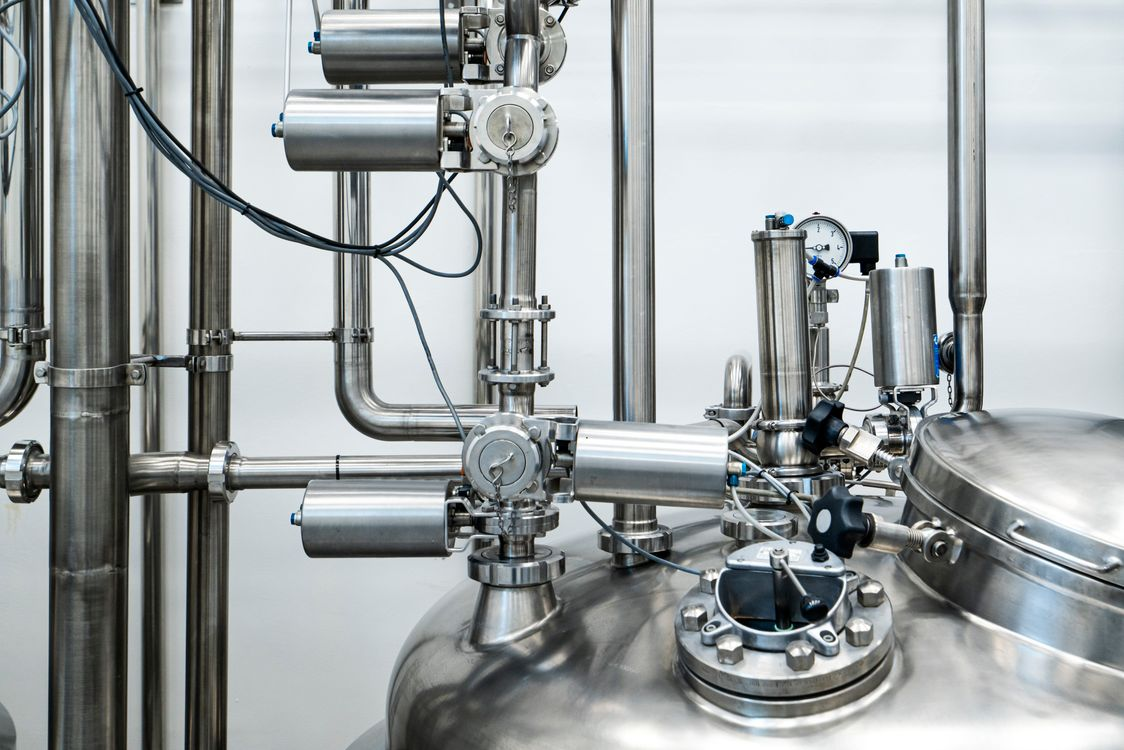
Primo Brands has opened a new Mountain Valley water bottling factory in Hot Springs, Arkansas, adding approximately 200,000 sq ft of manufacturing, warehousing and logistics space to increase production capacity for the established spring water brand.
The facility incorporates one high-speed retail bottling line and two large-format production lines, providing additional manufacturing infrastructure for the company’s spring and sparkling water products. The opening was announced on 14 October 2026, following the earlier construction programme.
Primo Brands describes the development as its first new factory since the business was formed through a merger in November 2024. The project represents a multimillion-dollar investment, although the company has not disclosed the final capital cost, equipment suppliers, rated line speeds or expected annual production volume.
Mountain Valley has sourced and bottled water in Arkansas since 1871. Its products are associated with the Ouachita Mountains and include spring and sparkling water sold in glass bottles, alongside larger water containers supplied through home and business delivery channels.
The company’s existing product range includes its distinctive green retail bottles and larger 2.5-gallon and five-gallon glass jugs. These formats place different demands on filling, handling, packaging and distribution equipment.
Installing separate retail and large-format production lines allows machinery to be selected around the requirements of particular container sizes. The arrangement does not establish that every product or bottle type in the Mountain Valley range will be manufactured on all three lines.
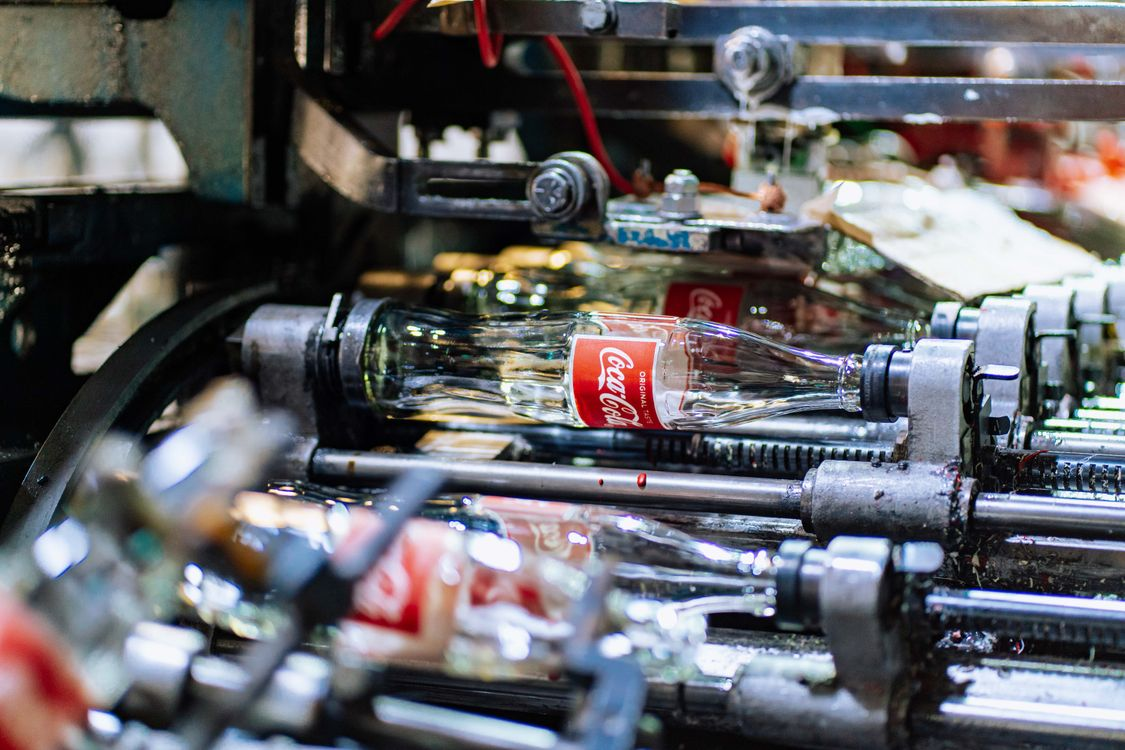
Bottling equipment must coordinate container movement, product filling, closure application, inspection and downstream handling. The production rate achieved by the complete line depends on the capacity and availability of each connected stage rather than the nominal speed of a single machine.
High-speed retail bottling requires a consistent supply of empty containers to the filling equipment. Conveyor systems and accumulation areas may be used to manage short interruptions between machines, allowing production to continue where suitable buffer capacity is available.
Filling operations must deliver the intended volume while limiting product loss and maintaining the required hygiene conditions. Actual settings depend on container geometry, filling technology, product characteristics and the speed at which bottles pass through the equipment.
Spring and sparkling water introduce different production requirements. Sparkling products require controlled carbon dioxide content and appropriate filling conditions, while still water operations must maintain the relevant water quality and packaging specifications without the same carbonation requirement.
The announcement does not identify the particular filling technology used at Hot Springs or establish how its spring and sparkling water operations are divided between the three production lines. Those details would need to be confirmed before attributing a specific process arrangement to the factory.
Water source characteristics are another part of Mountain Valley’s manufacturing proposition. The company sources its water from the Ouachita Mountains, describing the mineral characteristics as resulting from the water’s movement through local sandstone and shale formations.
Commercial bottling must preserve the required quality of the incoming water throughout processing and packaging. The applicable controls depend on the product classification, microbiological requirements and treatment methods permitted for the particular water category.
Primo Brands has not disclosed a complete water treatment specification for the new factory. No particular filtration, disinfection or mineral adjustment system can therefore be attributed to the installation on the strength of the opening announcement.
Container handling becomes more demanding as filled unit weight increases. Large glass jugs require suitable mechanical support and transfer equipment, while smaller retail bottles involve higher numbers of individual filling and closure operations for the same total water volume.
The two large-format lines will need to accommodate the handling characteristics of the containers selected for production. Conveyor design, lifting arrangements, accumulation capacity and downstream packing operations must be compatible with their filled dimensions and weights.
Inspection remains necessary across different formats. Depending on the line and container specification, quality checks may examine fill levels, closures, container condition and the information used to identify production batches.
Product identification also supports traceability once finished containers leave the filling operation. Batch information must remain associated with the relevant products as they move into storage and through distribution.
The new development includes dedicated logistics and warehouse space alongside manufacturing equipment. This provides infrastructure for handling packaging materials and storing completed products before dispatch, supporting the additional production capacity installed at the site.
Warehouse requirements vary according to container dimensions, pallet configurations and the rate at which products move through the facility. A larger bottling operation must have sufficient space and handling capacity to prevent finished goods from accumulating faster than they can be stored or shipped.
Glass packaging also introduces particular handling requirements. Although suitable for repeated use in some formats and valued for its material characteristics, glass containers require protection against breakage during transfer, stacking and distribution.
Primo Brands has not identified the warehouse automation systems or detailed material movement arrangements at Hot Springs. The availability of new logistics space should therefore be distinguished from any claim that the operation incorporates automated storage and retrieval equipment.
Utilities and maintenance will influence production performance once the facility reaches sustained operation. Water processing, compressed air, electrical systems, cleaning equipment and mechanical handling all contribute to the resources required for bottling.
Energy and water consumption per unit of production will depend on equipment efficiency, utilisation, product format and the cleaning requirements associated with the installed lines. Additional capacity does not automatically establish lower resource consumption for the complete operation.
The investment follows continued growth in the American packaged water market. Primo Brands cites Beverage Marketing Corporation figures showing that water represented approximately 46% of US refreshment beverage volume in 2025, supporting the commercial rationale for expanding the Mountain Valley manufacturing network.
Demand growth alone does not establish the output the new factory will achieve. Sustained production depends on equipment availability, packaging supplies, operating schedules and the distribution capacity available to move finished products to customers.
The Hot Springs opening establishes three new production lines and associated infrastructure within Mountain Valley’s longstanding production region. Its contribution to annual output and manufacturing efficiency will become clearer as the plant operates and Primo Brands reports performance against its capacity and investment objectives.