IN Brief:
- AHDB forecasts GB milk output of 12.737 billion litres in 2026/27, down 284 million litres or 2.2% from the previous season.
- The October projection is weaker than the June forecast of a 0.9% decline, following lower summer deliveries and worsening production conditions.
- AHDB anticipates a further 1.1% year-on-year decline during the first half of 2027/28, with regional and contractual differences affecting supply.
AHDB has revised its forecast for British milk production, predicting a 2.2% decline during the 2026/27 milk season as falling herd numbers, restricted forage availability and rising costs reduce the volume of raw milk available to processors.
The Agriculture and Horticulture Development Board expects production to reach 12.737 billion litres, compared with 13.021 billion litres in 2025/26. The projected reduction of 284 million litres is substantially larger than the 0.9% decline anticipated in its June forecast.
Published on 14 October 2026, the update also forecasts a further 1.1% year-on-year contraction during the first half of the 2027/28 milk season. The rate of decline is expected to moderate, although AHDB identifies continuing uncertainty surrounding feed availability, producer margins and livestock disease.
The revised figures follow a period of falling milk deliveries that began after the spring production peak. Output declined more rapidly through the summer, with August production 4.4% below the corresponding month of 2025.
AHDB identifies several contributing factors, including volume management arrangements operated by some processors, five heatwaves between May and August, drought-related forage shortages and the combination of lower milk prices with increasing production costs.
The October figures provide a new quantified outlook following the industry’s earlier examination of herd contraction, feed and disease pressures. The previous assessment identified risks to future output, whereas the latest forecast calculates their expected combined effect on annual milk deliveries.
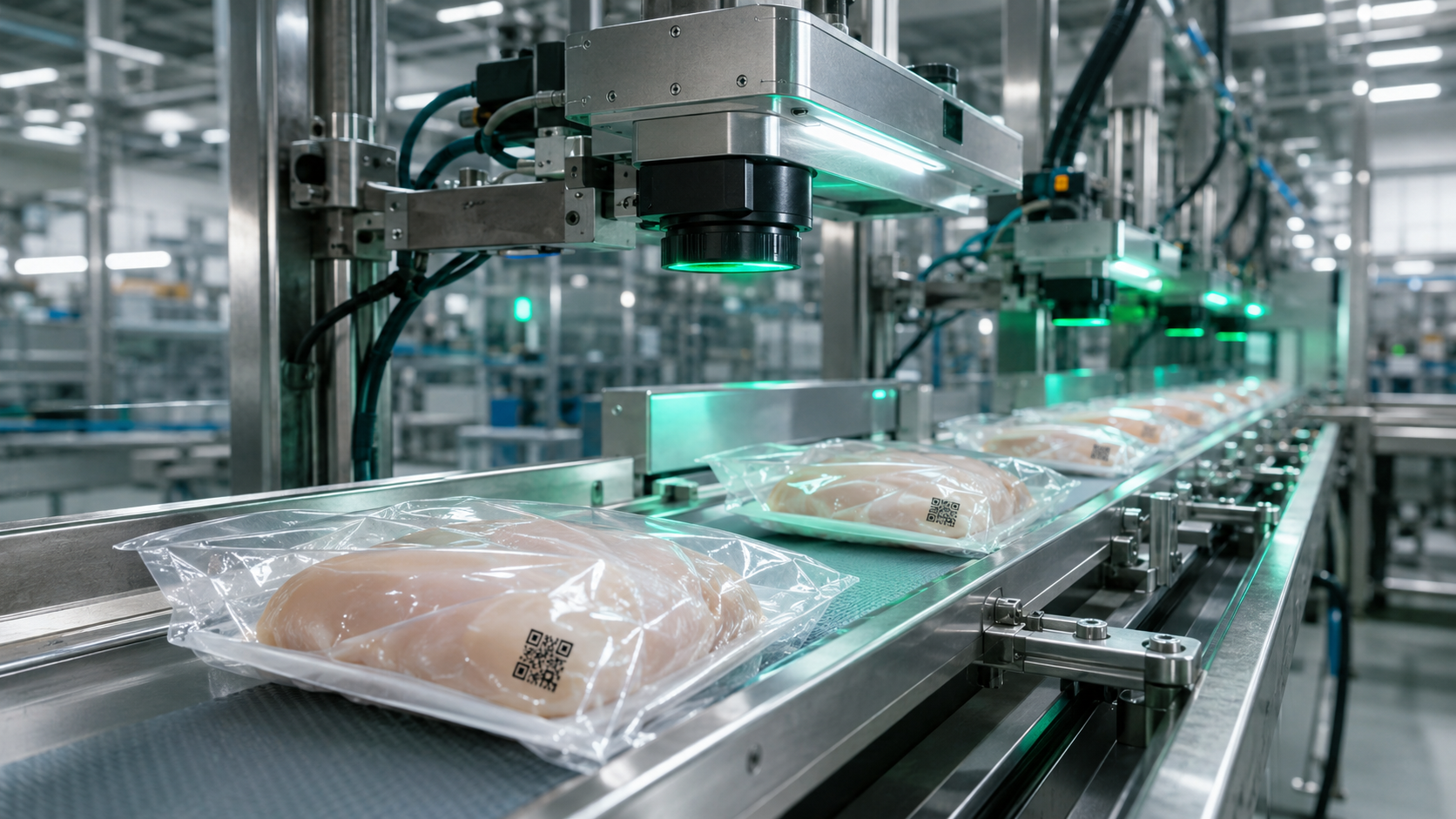
Milk availability affects dairy manufacturers through both the quantity and composition of their incoming raw material. Liquid milk, cheese, butter, cream, powders and fermented products require different processing arrangements and use the available milk components in different proportions.
Separators, pasteurisers, cheese vats, evaporators and drying systems must operate within their designated processing capacities. Variations in incoming milk volumes can alter production schedules, equipment utilisation and the quantities allocated to individual product categories.
A reduction in total litres does not necessarily translate into an equivalent decline across every manufactured dairy product. Milk fat and protein content, processing capacity and demand for different products influence how raw material is allocated between production activities.
Seasonality adds another consideration because deliveries vary during the year, while product demand does not always follow the same pattern. Factories must balance incoming supply with storage capacity, production requirements and contracts for finished products.
AHDB’s forecast indicates that the decline will continue across the winter, although the factors affecting output will differ from those experienced during the summer. Heat stress should become less significant, but insufficient conserved forage may force some producers to purchase additional feed.
Stored forage is an important part of the feeding arrangements used when dairy cattle cannot obtain sufficient nutrition from grazing. Its quantity and nutritional characteristics influence the supplementary feed required to maintain animal condition and milk production.
Where grass growth and silage production have been restricted by drought, farms may enter winter with smaller reserves. Purchased feed can compensate for some shortages, but its cost and suitability depend on availability, nutritional composition and the animals’ requirements.
Higher expenditure on feeding can reduce producer margins when farmgate milk prices do not increase sufficiently to cover additional costs. AHDB also identifies fuel, fertiliser and other inputs as sources of continuing financial pressure.
Milk prices have strengthened in some cases as production has declined, but the organisation notes that these increases are not consistently supported by wider dairy commodity markets. The financial position of an individual farm also depends on its contract, production costs and the market conditions applicable to the milk it supplies.
These differences may cause the national production decline to develop unevenly. Farms receiving different prices, experiencing different levels of drought or facing different livestock health conditions may adjust output and herd numbers at different rates.
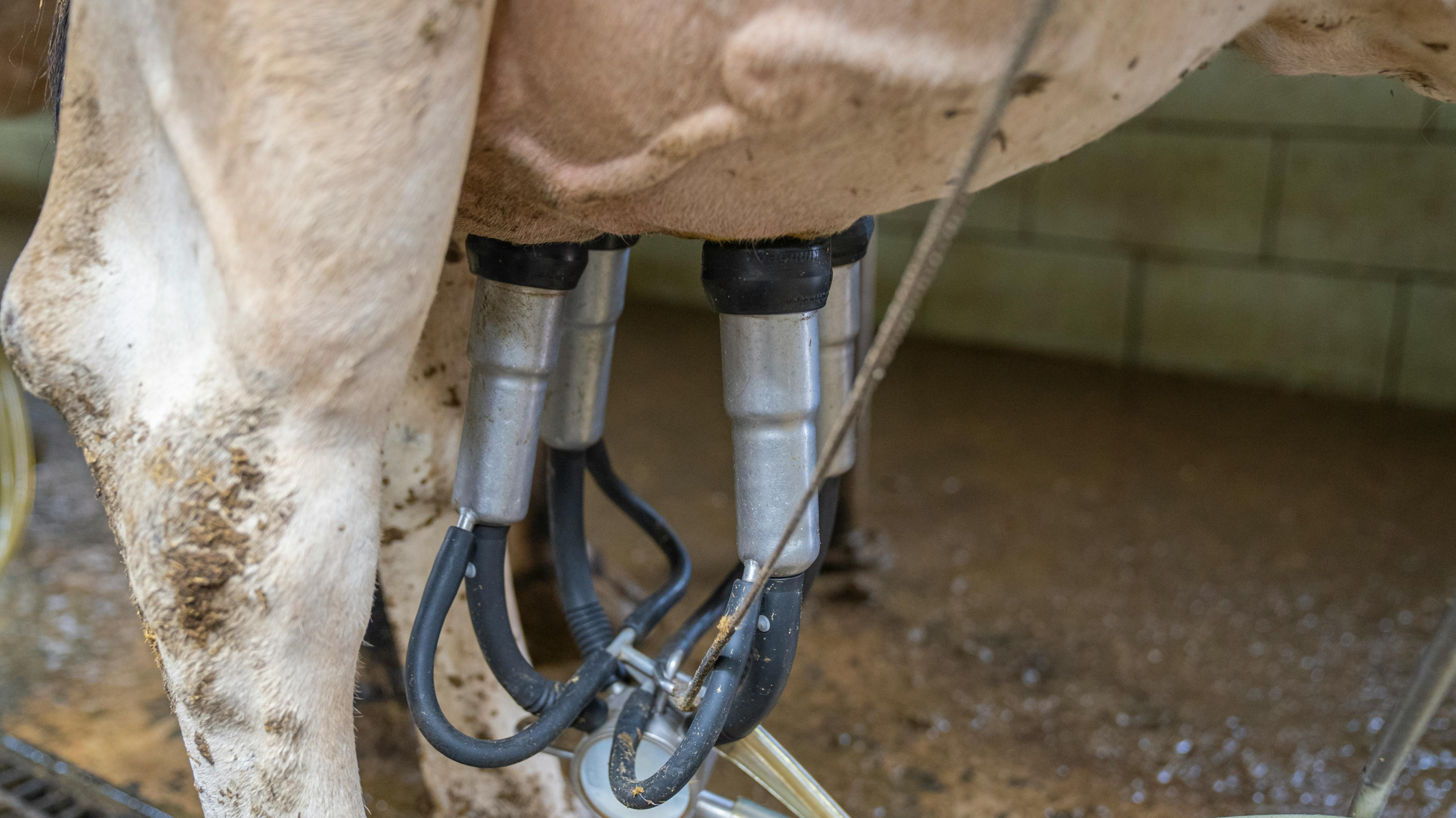
The size of the national milking herd is already falling. AHDB reports that Great Britain had approximately 1.57 million dairy cows in July 2026, a reduction of 34,500 animals or 2.2% compared with a year earlier.
The organisation describes this as the lowest recorded milking herd total. The decline is relevant to future production because replacing animals that leave the herd depends on the availability of suitable youngstock and the time required for replacements to enter milk production.
High beef prices may also encourage additional culling, particularly where farms face limited forage availability or weak dairy margins. Decisions to reduce herd size can therefore influence production capacity beyond the immediate period in which feed or price pressures arise.
Livestock health presents another uncertainty. Bluetongue virus serotype 3 has spread across substantial parts of Britain, with 3,370 farms across livestock sectors reporting confirmed cases during the 2026/27 season as of 14 October.
AHDB assumes that vaccination has limited the overall effect on dairy cattle, but reliable national vaccination data are unavailable. The organisation also notes that the disease’s effects overlapped with summer heat stress, making it difficult to establish how much of the production decline can be attributed to either cause.
The interaction between herd size, animal health and feed availability complicates recovery. Improved weather or stronger milk prices may support output, but they cannot immediately replace animals that have left the milking herd or restore conserved forage stocks already consumed.
For dairy processing plants, a smaller or less predictable raw milk supply can increase the importance of production planning and the allocation of available milk components. Factories manufacturing several product categories may have some flexibility to adjust their output mix, subject to contractual obligations and technical capacity.
That flexibility is not unlimited. A cheese production operation requires suitable raw milk and processing time, while butter and powder manufacturing depend on different combinations of separation, concentration and thermal equipment. Production cannot necessarily be transferred between these operations without considering installed capacity and the composition of the incoming supply.
Changes in throughput can also affect operating efficiency. Certain processing systems perform most economically within defined production ranges, so sustained reductions in incoming milk may alter scheduling and the use of equipment even where individual plants remain operational.
International dairy markets will influence the response to reduced British production. AHDB identifies continuing uncertainty in commodity prices, with differences between the outlook for milk proteins and dairy fats influencing returns available to processors and, ultimately, the prices they can support.
The 12.737 billion litre forecast provides a revised benchmark against which monthly production can be assessed. Actual deliveries, herd numbers and market conditions over the remaining months of the season will determine whether the expected contraction develops as projected and how much raw material remains available for different dairy manufacturing operations.