IN Brief:
- De’Longhi completed its purchase of DLI Limited’s 26.46% stake in the professional division on 16 October.
- Its ownership rises from 61.56% to 88.02%, with existing minorities retaining 11.98%.
- The division reported €569m revenue and €172m adjusted EBITDA for the year to June 2026.
De’Longhi completed its €662.5m purchase of a further 26.46% stake in its professional coffee division on 16 October, raising its ownership from 61.56% to 88.02%. The division contains espresso-machine manufacturer La Marzocco and automated coffee equipment supplier Eversys. De’Longhi bought the stake from DLI Limited, leaving existing minority holders with 11.98%; the company has not linked the completed transaction to any new production site or capacity commitment.
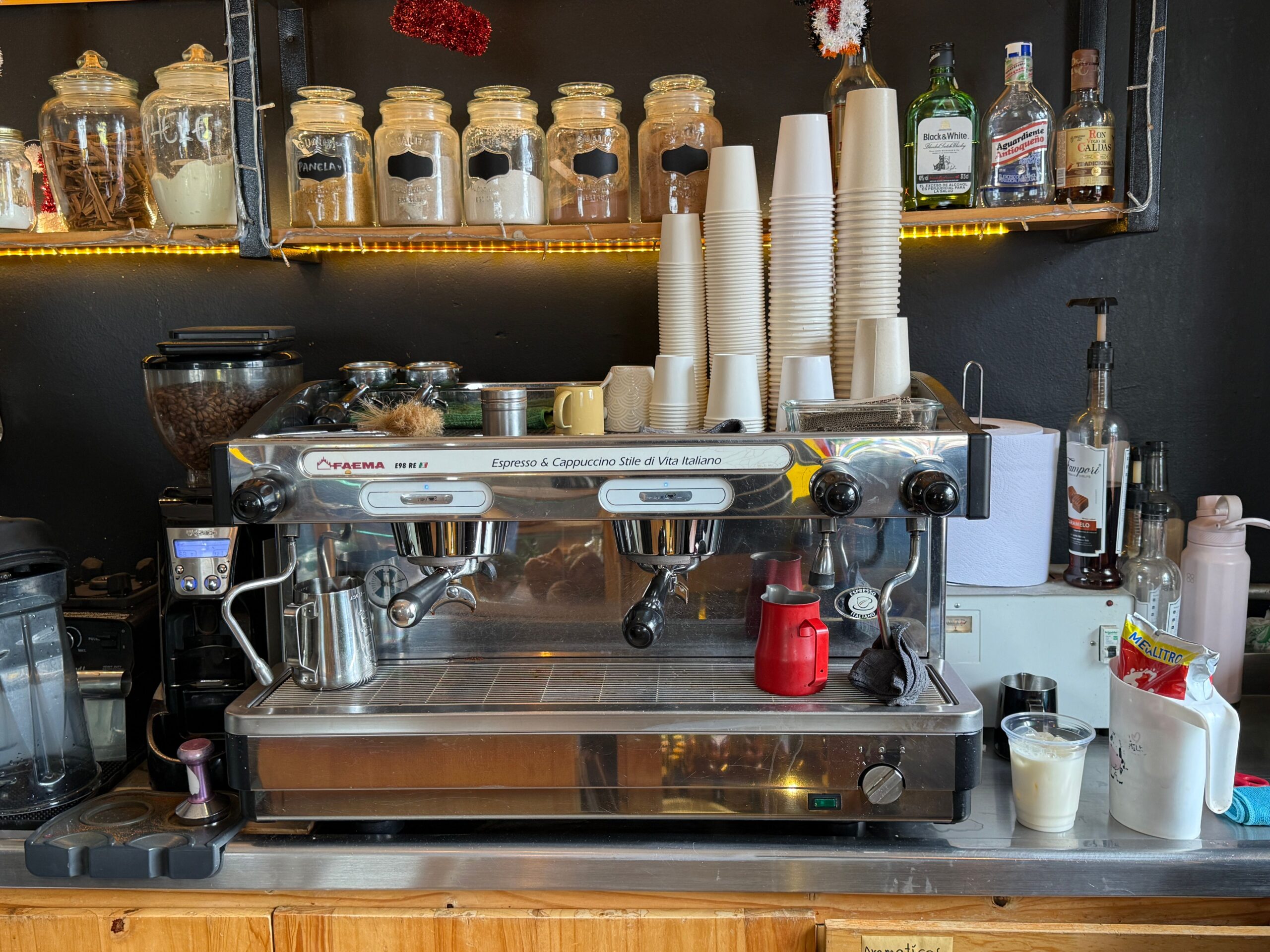
The professional division brings together two approaches to commercial coffee preparation. La Marzocco supplies professional espresso machines built around extraction control and operator handling, while Eversys develops automated systems intended to deliver repeatable drinks with less manual intervention. Both require precision assemblies, heating and fluid handling components, and serviceable designs, but differ in the balance between manual adjustment and automatic control. The companies had already been brought into the professional division through a combination announced in December 2023; the October purchase changes shareholding rather than establishing the business anew.
For the 12 months ended 30 June 2026, the professional business reported revenue of €569m, up 38% on the corresponding basis, and adjusted earnings before interest, tax, depreciation and amortisation of €172m. The reported adjusted margin was 30.2%. Those figures give a measure of the division’s financial contribution, but they do not separately quantify machinery output, factory utilisation or the number of new machines placed with coffee retailers during the period.
The transaction terms imply an enterprise valuation of approximately €2.36bn and an equity valuation of around €2.5bn for the division. Enterprise value and equity value measure different aspects of the business, so neither should be presented as new investment in equipment manufacturing. The €662.5m consideration is payment for existing shares. De’Longhi did not announce additional assembly lines, engineering centres or factory capital spending as part of its purchase.
Commercial espresso machines regulate water temperature, pressure and flow through the coffee bed to make extraction reproducible during repeated service. Thermal stability and component tolerances can influence the quality of successive drinks, while cleaning access, water treatment and the reliability of valves, pumps and seals affect maintenance needs. These engineering requirements make factory acceptance testing and spare-parts supply relevant to a professional equipment business, even though the October acquisition documents contain no specification changes to La Marzocco machines.
Fully automated coffee systems add controlled dosing, grinding, brewing and cleaning sequences that rely on motors, sensors and software programmes working with mechanical and thermal parts. Repeatability still depends on calibration, maintenance and ingredient consistency; the software cannot correct every physical variation. Eversys operates in this automated segment, giving the division a different mix of customers and operating requirements from a manually operated espresso platform. No integration of the two brands’ product architectures has been announced in connection with the stake purchase.
De’Longhi will hold a larger share of the division’s future profits and risks, although existing minority shareholders remain. Greater ownership can affect the incentives and approval processes for future investment, but the company has not published plans to combine plants, move production or rationalise suppliers. It would also be premature to estimate procurement savings or staffing changes from the transaction alone.
The parent group says that revenue in the professional division has grown by more than 50% since the combination was announced in 2023, while adjusted EBITDA has doubled. The change in equity valuation over that period reflects financial performance and future expectations as assessed in the transaction, rather than a verified increase in physical output by an equivalent proportion. Higher revenue might result from unit volumes, selling prices, product mix or a combination of those factors. No single manufacturing explanation can be drawn from the disclosed growth numbers.
Ahead of completion, De’Longhi said it planned to finance the purchase using a combination of its own resources and dedicated funding. It reported a positive net financial position of €687m at 30 June 2026. The purchase therefore involves a change in capital structure and ownership exposure, with financing arrangements relevant to the group’s flexibility for other investments. The company has not published a separate forecast showing how the transaction will affect future capital expenditure by La Marzocco or Eversys.
Following completion, a larger share of the professional division’s financial performance will accrue to De’Longhi, while its minority owners retain an 11.98% interest. Subsequent reports can establish the effect on the parent group’s earnings and financing. Changes to machinery output, capital expenditure or manufacturing locations would require further disclosures; none formed part of the October closing announcement.