IN Brief:
- Etilisa now operates eight ABG Digicon finishing systems across Series 2 and Series 3 configurations.
- Its latest machine combines foil and embossing, flexography, screen printing, lamination and die-cutting.
- The converter moved into a 5,500sq m facility in late 2025, and the new machine entered production in September 2026.
Spanish converter Etilisa is operating an eighth Digicon label-finishing system from A B Graphic International, adding capacity for larger orders of premium wine labels. The unit entered production in September at its enlarged La Rioja site, adding a further finishing line to equipment already in operation there. Etilisa has not announced another factory opening or a separate October machine order.
Etilisa moved into a 5,500sq m production facility in late 2025, with the site officially opened during 2026. The premises provide room for additional finishing equipment and production staff as the company develops its label-converting operations. Its Digicon fleet comprises Series 2 and Series 3 equipment, reflecting a longstanding relationship with ABG that dates back to the converter’s establishment in 2010. The latest installation increases the range and volume of finishing operations that can be scheduled within the same manufacturing site.
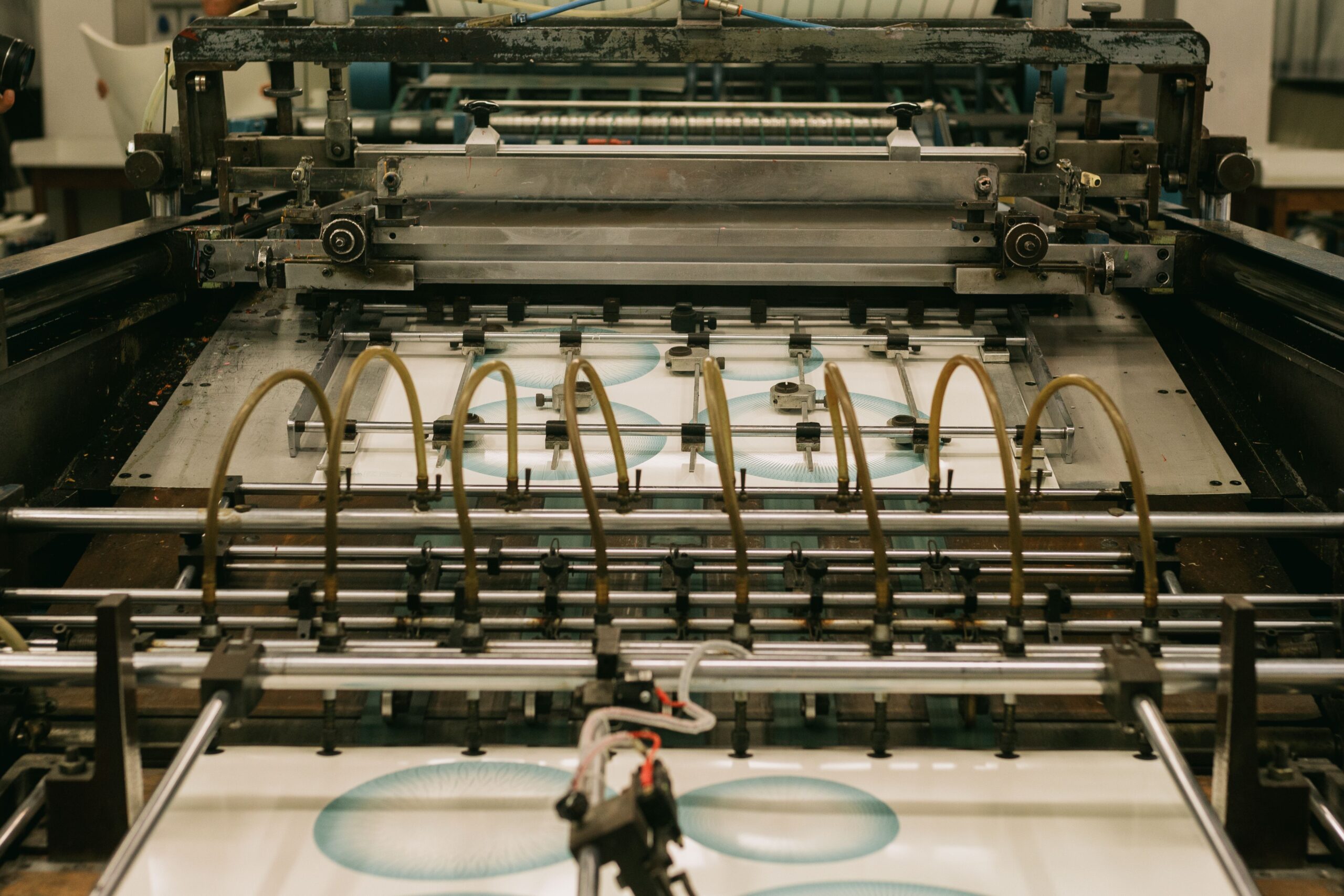
The Digicon handles reels using a one-metre-diameter unwind, corona treatment and web guiding before a sequence of decoration and converting stations. A 50-tonne Big Foot unit provides hot foil and embossing, with additional flexographic printing, flatbed screen printing, lamination and die-cutting using Gap Master. Its maximum web width is 430mm, with a 420mm finishing width. The number of labels processed across the reel depends on each design’s dimensions and spacing, and the supplier has not published a measured percentage increase in finished labels per hour.
A finishing machine of this type adds value to printed reels after the main image has been applied. Hot foil transfers a decorative layer using heat and pressure, while embossing changes the surface relief to create tactile detail. Flatbed screen printing can deposit a heavier film of ink or varnish than some other methods, making it useful for selected textural effects. Flexographic units can apply additional printed or coating layers, and lamination can add a protective or decorative film. Die-cutting then defines the label shape and allows unwanted surrounding material to be removed.
Registration between the different stations is critical where metallic decoration, embossing and spot finishes must align with the underlying print. Web tension, substrate movement and coating thickness affect that alignment, while set-up waste can be costly with specialist self-adhesive materials. Integrating several embellishment functions on one finishing line can reduce the need to transfer reels between machines; the benefit in any particular order depends on its finish specification, job length and the number of tooling or material changes.
Consistency becomes harder to maintain when a wine producer orders multiple bottle sizes, varieties or market-specific designs. A slight change in foil placement or embossing depth can be noticeable across otherwise identical bottles. Etilisa’s additional line provides another scheduling option for these jobs, although no throughput guarantee follows from having eight Digicon systems on site. Quality control still depends on checks of registration, coating coverage, cut accuracy and reel condition before labels are supplied for bottling.
The 430mm web allows labels to be arranged side by side when their dimensions permit, with the 420mm finishing area setting a further practical limit. A layout that uses the available width efficiently may reduce reel passes compared with a narrower arrangement, but the gain depends on repeat size, inter-label gaps and the finishing operations selected. The reported installation does not disclose cost, monthly output or a before-and-after productivity comparison for the factory.
Labelling requirements extend beyond the decorative face. Bottlers need label material and adhesives compatible with application equipment, bottle surface conditions and any moisture or cooling encountered after filling. Labels for chilled wine or bottles held in ice may experience condensation that changes adhesion behaviour, while automated applicators rely on predictable liner release and dimensional stability. The Digicon investment primarily addresses converting and embellishment; it does not by itself establish new performance figures for label application at bottling plants.
Additional decorative treatments can alter the material mix that ultimately enters bottle and label recycling. Metallic foils, laminates and heavy coatings may complicate recycling pathways or affect the material composition of a label construction. Those effects depend on the finished label, its adhesive, the bottle substrate and the relevant recovery process. Premium appearance and recyclability therefore require assessment at the complete-pack level rather than through the capabilities of one machine in isolation.
The September production start follows Etilisa’s move into larger premises in late 2025 and gives the converter more finishing flexibility for wine-label orders. The company has specified the stations and width of the added Digicon, but has not disclosed the investment cost, a new customer contract or measured line performance. The expanded plant can now schedule another line for premium-label conversion, with results depending on finished label quality, job complexity and achieved output.