IN Brief:
- Ardagh Glass Packaging is proposing to close one furnace at Knottingley and one at Holmegaard.
- The company is engaging with local management and employee representatives before decisions are made.
- It says other production capacity should allow continued customer supply if the proposals proceed.
Ardagh Group is considering the closure of one glass manufacturing furnace at its Knottingley site in Britain and another at Holmegaard in Denmark as the company reviews production capacity against subdued demand for glass containers. Discussions with local management and employee representatives are under way, and the measures have not been announced as completed closures.
The proposals were disclosed in Ardagh’s third-quarter results on 22 October. The group said glass packaging operations in Europe faced reduced customer demand, surplus manufacturing capacity and difficult operating conditions. Management also pointed to persistently high energy prices and inflationary pressures, factors with particular significance for energy-intensive furnace operations.
Ardagh said its continuing supply obligations would not be affected if the proposed closures proceeded because customers could be served using available capacity at other factories. That is the company’s operational assessment of its network, not confirmation that production has already stopped at either location. The results did not set out a proposed shutdown date, the number of roles potentially affected or an estimated restructuring cost for the two furnaces.
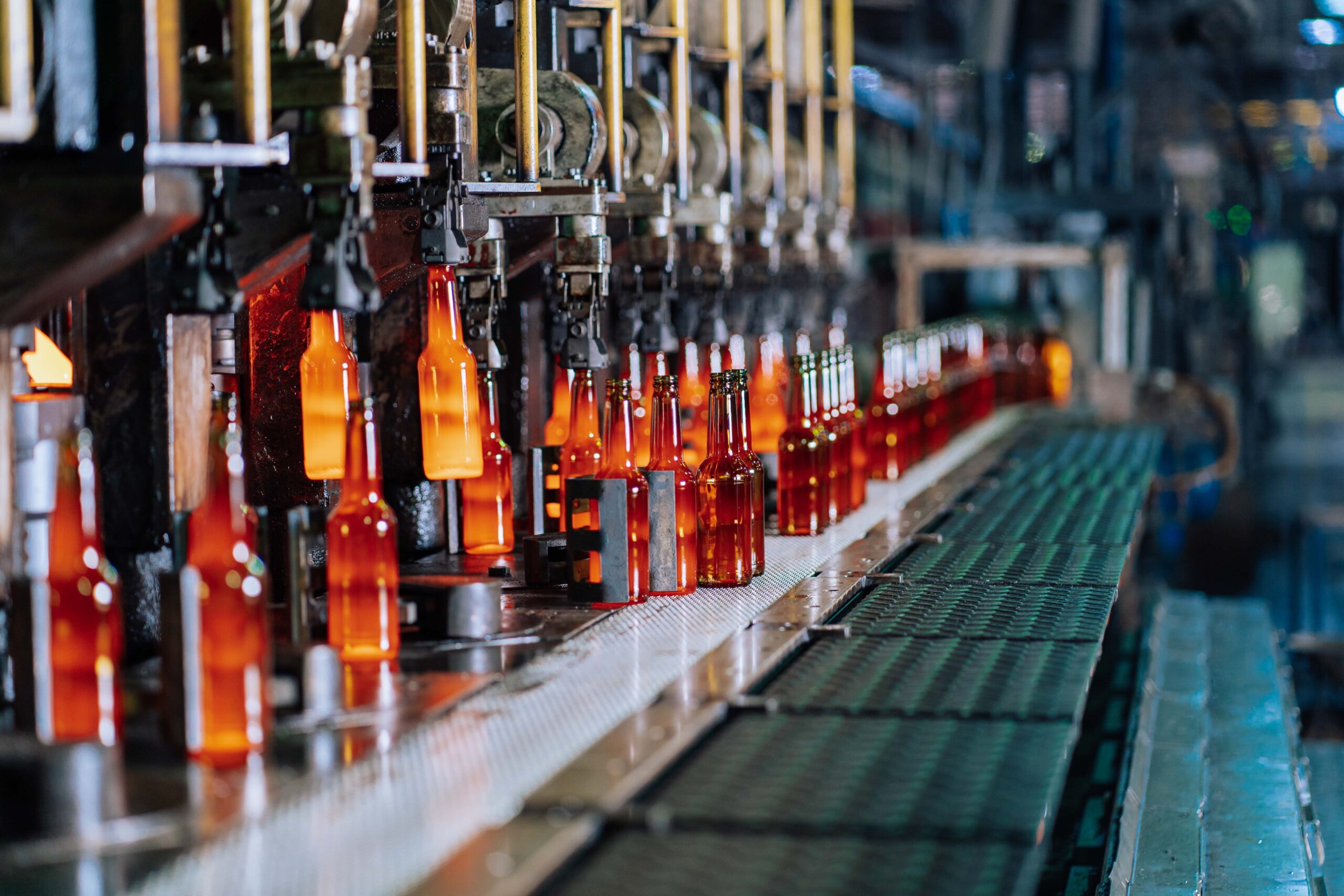
A glass container furnace operates within a closely coordinated production process in which molten glass is formed into bottles and jars, followed by inspection and preparation for delivery. Decisions about furnace utilisation therefore involve wider production scheduling, equipment availability and the range of container specifications manufacturers must support. Ardagh has not published the technical configuration of the furnaces under review or identified which customer orders would be transferred elsewhere.
The group said glass demand remained well below historical levels, particularly in Northern Europe. Across Ardagh Glass Packaging, third-quarter global shipments fell by 1% from the previous year. North America recorded a 6% decline, while shipments in Europe and Africa rose by more than 1% overall. European volumes increased by 1% and African volumes by 2%, figures that show variation within the division rather than uniformly weaker activity across every geography.
Despite that regional improvement in European shipments, management considers there to be more capacity than the market currently requires. The potential furnace closures follow earlier measures taken in Germany under Ardagh’s glass business turnaround programme. The company has not specified that the current proposals will produce any particular annual saving or improvement in the profitability of the affected plants.
Ardagh Group reported third-quarter adjusted EBITDA of $392 million, broadly in line with the corresponding period last year. Its glass packaging division contributed $179 million, down 4% on a reported basis and 6% at constant currency. The parent group said its performance in glass had met previously reduced expectations, while the metal packaging business recorded growth.
Those contrasting developments warrant a distinction between Ardagh’s container businesses. Ardagh Metal Packaging is separately planning two additional beverage can production lines at existing facilities in the UK and Spain following 6% European shipment growth. Glass furnaces and metal beverage can lines use different production technologies and serve overlapping but distinct markets. The presence of investment in one operation does not establish that the company has abandoned investment in the other, or that customers have made any individually identified packaging switch.
For food and drink producers buying glass packaging, the operational question is whether alternative Ardagh facilities can provide the required shapes, colours, specifications and delivery schedules. The company says supply can be maintained, but has not provided a detailed allocation of production among sites. Customers may also need to understand whether any tooling, technical approval or logistics arrangements would change should the proposals be implemented.
The next stage is consultation and a decision on each furnace. Until Ardagh reaches that point, Knottingley and Holmegaard remain the subjects of proposed capacity reductions, not confirmed factory closures.
Furnace decisions can have long-term consequences because glassmaking equipment is closely integrated with a site’s forming, inspection and handling processes. Taking a furnace out of service may affect how other parts of the factory are used, although the effect depends on the local production arrangement. Ardagh has not disclosed whether the proposed reductions would require changes to other equipment or whether any of the affected manufacturing assets might be repurposed.
The group also pointed to the difficulty of operating in a market where historic capacity assumptions no longer correspond neatly with current order volumes. Maintaining too much available production can create costs even when some customer segments remain resilient. That consideration helps explain why the company is examining individual furnaces rather than announcing a uniform reduction across its European glass network.