IN Brief:
- Winpak reported record third-quarter revenue of US$312.5 million, up 10.4%, with overall volumes increasing by 5.2%.
- Modified atmosphere packaging volumes rose by 9% and rigid containers by 8%, while packaging machinery deliveries declined by 12%.
- Gross margin fell to 28.2% from 30.6%; Winpak forecasts US$50 million to US$60 million in 2026 capital expenditure.
Winpak recorded its highest quarterly revenue as stronger food packaging shipments and increased selling prices helped offset weaker demand for its packaging machinery. The Canadian manufacturer reported revenue of US$312.5 million for the third quarter of 2026, an increase of 10.4% from US$283.0 million a year earlier, while overall sales volumes rose by 5.2%.
The results, covering the quarter ended 27 September, show considerable differences across Winpak’s product groups. Modified atmosphere packaging and rigid containers gained ground in food applications, but specialty films contracted sharply and machinery deliveries fell as customers deferred potential equipment purchases.
Modified atmosphere packaging volumes increased by 9% compared with the equivalent quarter last year. Winpak attributed the improvement to recently commercialised extrusion capacity and increased business with its established protein customers. Across the wider flexible packaging segment, volumes rose by 3%, with growth in modified atmosphere products partly offset by weaker specialty films.
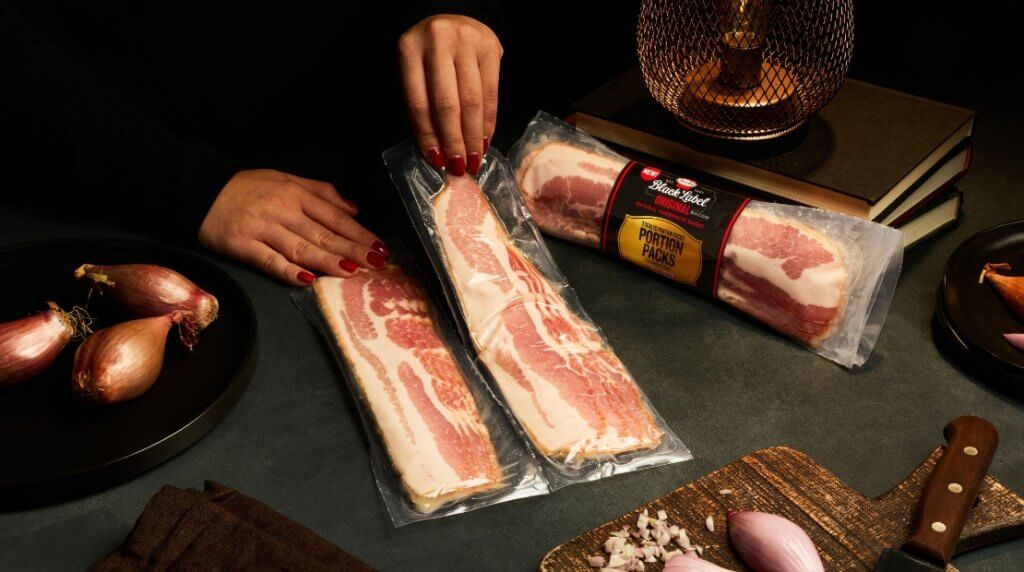
These packaging materials are used in applications including fresh and processed meat, poultry and cheese. Their barrier properties support the controlled conditions required to protect perishable products during distribution and retail storage. Winpak did not specify the additional installation’s rated production capacity or utilisation, although it attributed some of the volume increase to that investment.
Demand was less favourable elsewhere in the flexible portfolio. Specialty film volumes dropped by 23%, reflecting trading difficulties among fresh beef and foodservice customers. Winpak’s nine-month figures suggest that this weakness extended beyond a single quarter: specialty film volumes were 19% lower over the first three quarters, while the flexible packaging segment overall recorded a 1% volume decline for that period.
Winpak’s rigid packaging and flexible lidding segment delivered an 8% increase in third-quarter volumes. Rigid container shipments also grew by 8%, supported by demand for snack food and condiment formats. The segment supplies containers and trays for products including dairy, food, beverages and pet food, alongside lidding materials for a range of filling and sealing applications.
Lidding volumes improved by 1% during the quarter. Growth in cultured dairy and snack food packaging was largely balanced by reduced demand for specialty beverage and retort pet food lidding. The results show stronger demand from cultured dairy and snack food customers but weaker demand for lidding used in some beverage and retort pet food applications.
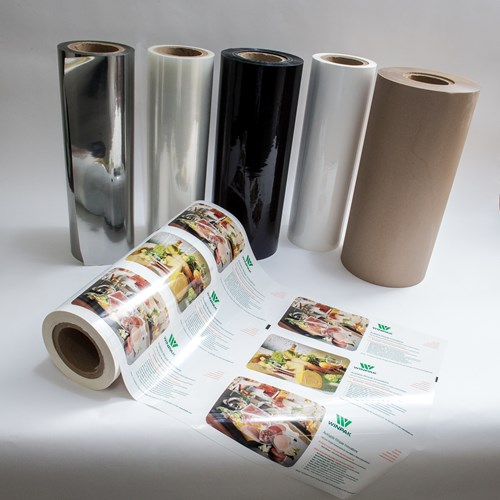
The company’s specialised printed packaging group achieved volume growth of more than 60%, although Winpak attributed that performance principally to nutraceutical and pharmaceutical customers. That increase should not be taken as evidence of equivalent growth in conventional food packaging, where the reported gains were more concentrated in modified atmosphere films and rigid containers.
Packaging machinery volumes declined by 12% as fewer machines were delivered. Winpak said several customers had put potential orders on hold because of economic uncertainty. Its equipment portfolio includes horizontal filling and sealing machinery for preformed containers and vertical form, fill and seal systems for liquid, semi-liquid and certain dry products. The 12% movement measures Winpak equipment deliveries, not the value of its order book or machinery demand across the wider industry.
Revenue growth also reflected pricing. Changes in selling prices and product mix added US$15.9 million during the quarter as Winpak passed on part of the raw material cost increases experienced during the preceding six months and introduced fuel surcharges. Foreign exchange reduced reported revenue by US$0.6 million. Pricing and product mix therefore contributed to revenue growth alongside the 5.2% increase in physical sales volumes.
Profitability did not keep pace with revenue. Gross margin declined from 30.6% to 28.2%, a reduction of 2.4 percentage points. The company cited higher personnel expenses, production waste and competitive pricing pressure, particularly for rigid containers. The rise in selling prices relative to raw material costs made a positive contribution to earnings, but was insufficient to prevent the margin contraction.
Input costs remained volatile. Winpak reported a 4% increase in its raw material purchase price index from the second quarter, including a 14% rise for nylon resin and a 4% rise for polyethylene, while polypropylene resin prices fell by 7%. Its index was 15% higher than a year earlier, adding pressure to procurement and working capital requirements.
Net income attributable to Winpak shareholders declined by 3.3% to US$35.2 million, compared with US$36.4 million in the third quarter of 2025. For the first nine months, revenue reached US$887.0 million against US$840.6 million a year earlier, while attributable net income fell by 1.4% to US$99.8 million. Nine-month volume growth was slower than in the latest quarter, at 1.6%, reinforcing the uneven performance across Winpak’s packaging categories.
Looking ahead, Winpak expects its recently added extrusion capacity, along with new converting capability in specialised printed packaging, to support further sales. It also anticipates onboarding business in dairy, poultry, retort pet food and other rigid container applications. The company expects fourth-quarter volume growth broadly comparable with the third quarter and a modest improvement in gross margin, partly dependent on reducing production waste.
Winpak forecasts capital expenditure of approximately US$50 million to US$60 million for the full year, including additional converting equipment and the possible acquisition of property adjacent to an existing production facility. Its property, plant and equipment expenditures totalled US$30.5 million during the first nine months of 2026. The full-year figure remains a forecast, and the property acquisition has not been confirmed.