IN Brief:
- Rancher's Premium Smokehouse plans to double capacity at its existing Texas meat manufacturing operation.
- The company links the proposal to growing retail distribution, private label production and foodservice demand.
- Capital spending, present throughput, machinery specifications and commissioning dates remain undisclosed.
Rancher’s Premium Smokehouse plans to double production capacity at its Texas meat manufacturing operation as it seeks to supply a growing number of retail, private label and foodservice customers across the United States. The company has linked the expansion proposal to broader distribution and new product launches, but has not disclosed the capital required, the additional equipment to be installed or when the proposed capacity will become available.
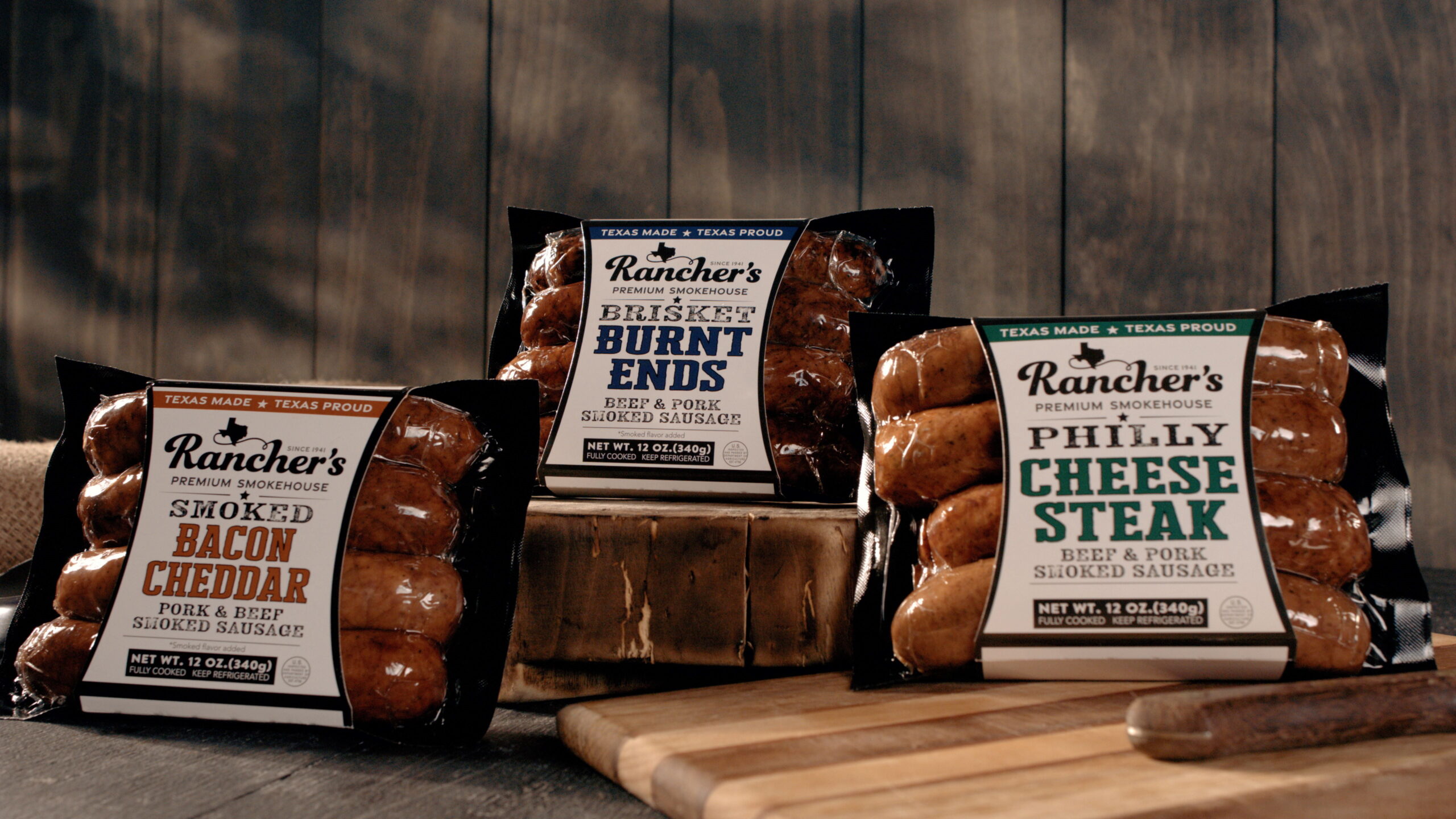
The Dallas-based company’s announcement, dated 21 October, described a manufacturing business extending beyond its established smoked sausage range. Rancher’s produces meat products for its own brand while also supplying customers that market products under other labels. Its stated ambition is to accommodate demand from those different sales channels within its Texas manufacturing operation.
A doubling of capacity would represent a significant increase in potential output, although the baseline used for that target has not been disclosed. The company did not publish current tonnage, units produced, annual throughput or operating utilisation figures. Consequently, the percentage increase cannot yet be translated into an independently verifiable quantity of additional food products. Nor does a capacity target establish how much product the business is currently selling.
Rancher’s reported increased demand from retail partners and that its nationwide distribution network had broadened. These are the principal commercial reasons it gave for seeking additional production capability. Growth across multiple sales channels can create different planning requirements for a processor, especially when branded retail packs, private label specifications and foodservice orders each have their own pack sizes, order patterns and distribution arrangements.
For a meat manufacturer, scaling output also introduces practical requirements beyond increasing the number of products a line can make. Raw material procurement, production planning, product segregation, cold storage and dispatch all need to support the expanded volume. Those considerations are particularly relevant where the same operation manufactures for several customers with different recipe, labelling and traceability requirements. Rancher’s has not, however, identified particular investments in those areas, so they should be understood as operational considerations rather than measures already announced for its facility.
The business describes itself as a full-service meat manufacturer working across several protein categories. That position gives it a wider potential customer base than a company selling only packaged smoked sausage under its own name. It may also complicate capacity management, because production time and packaging schedules must be allocated between products with different preparation and distribution needs.
Roland Dickey Jr., chief executive of Rancher’s Premium Smokehouse, said the proposed expansion was intended to support continued product innovation and growth in private label and foodservice alongside the company’s retail business. The company’s remarks emphasised its ambition to manufacture across protein categories, rather than supplying details of a specific construction or machinery programme.
No site acquisition or new factory opening was identified in the announcement. It referred to expanding the manufacturer’s existing Texas capability, without giving an address for the work or distinguishing between building extensions, additional processing lines, extra shifts or other ways of achieving a higher nominal capacity. Each route could have different implications for employment, infrastructure and production scheduling, and none should be assumed from the target alone.
The distinction between installed capacity and operational throughput will be important as the project develops. An increase in rated capacity can provide headroom for new customer contracts, but actual production will depend on orders, staffing, materials availability and the mix of products being processed. The company has not provided a timetable for moving from its present operation to the proposed higher level of capacity.
Rancher’s also did not attach an employment figure, environmental performance forecast or productivity saving to the plan. Those omissions prevent any assessment of whether the proposed expansion would change output per employee, energy demand per unit or the degree of automation at the Texas site. There is likewise no basis to say the investment has been committed or that equipment installation has begun.
The manufacturing proposal nevertheless offers a clear indication of how Rancher’s intends to service national customers. By seeking substantially more headroom in its production operation, the company aims to support new retail relationships while retaining its private label and foodservice work. For prospective customers, the principal question will be when capacity becomes available and what production and packaging specifications the expanded operation can accommodate.
Further announcements will be needed to establish the project’s budget, scope, delivery programme and operational milestones. Until those details are supplied, the confirmed development is the company’s plan to double production capacity, supported by its reported expansion in customer demand and distribution. The increased capacity itself remains prospective, rather than a completed or quantified rise in meat output.