IN Brief:
- GNT will demonstrate EXBERRY colour applications at Fi Europe in Frankfurt from 17 to 19 November 2026.
- The concepts include purple ube-inspired products, colourful bubble teas and a range of foodservice foods and drinks.
- The EXBERRY colour portfolio is established; the current development concerns new demonstration concepts, not a new manufacturing plant.
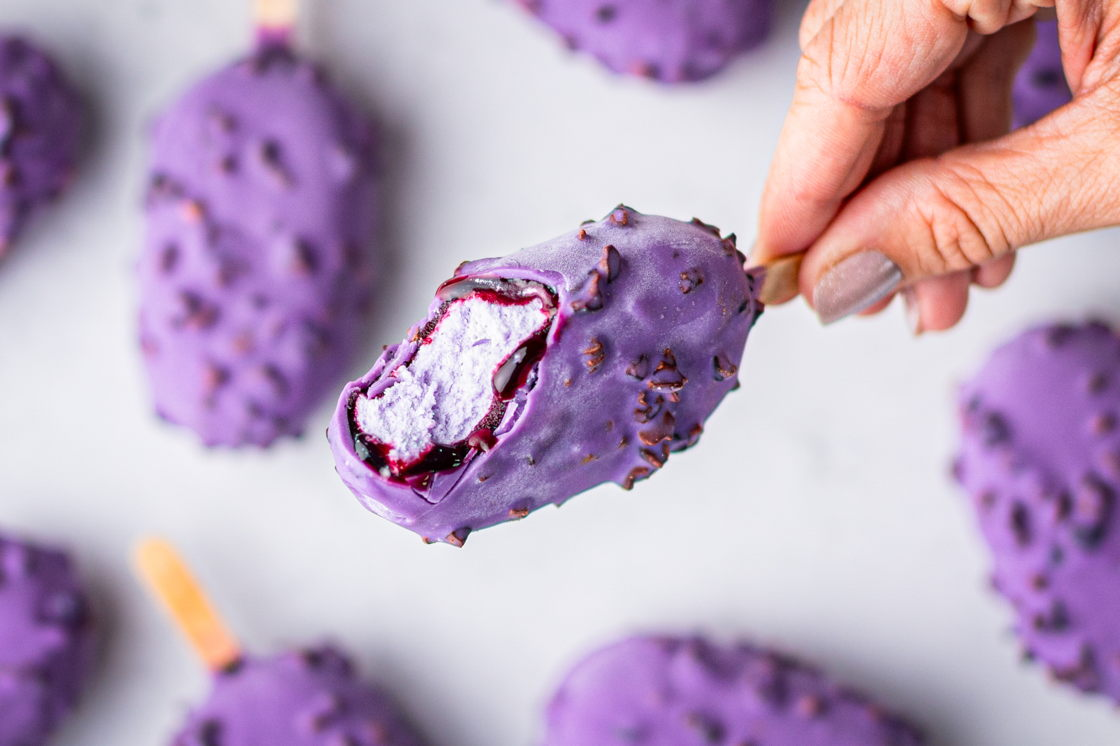
GNT will show new food and drink application concepts using its established EXBERRY plant-based colour portfolio at Fi Europe in Frankfurt from 17 to 19 November 2026. The planned display includes ube-inspired purple shades, bubble teas and a selection of foodservice products, giving manufacturers examples across contrasting formulation and processing conditions. The development concerns how existing ingredients can be used in new concepts, not the launch of a factory or an entirely new range of colour materials.
GNT will exhibit in Hall 3.0, Stand F50, with colour concepts made from non-genetically modified fruits, vegetables and other plants. EXBERRY colours are used in categories including bakery, confectionery, dairy, beverages and savoury foods. Demonstration recipes can show the appearance obtainable in a finished product, although selecting a material for a production line also requires attention to the formulation, processing method and expected shelf life. The same visible shade in two different foods may require different ingredient choices or addition points.
Purple ube-inspired applications are intended to evoke the appearance associated with the yam, while colourful bubble teas will be sampled at selected times during the exhibition. GNT is also preparing burgers, milkshakes, soft drinks, bakery items and snacks. Those finished foods require markedly different application techniques: colour can be dispersed through a drink, blended into a batter, incorporated into icing or delivered through a coating. Processing conditions determine which route gives a consistent appearance, so the recipes serve as separate demonstrations rather than a universal ingredient formulation.
Plant pigments can be affected by product acidity, temperature, light and oxygen exposure. In clear drinks, small changes in the formulation may alter the visible shade, while a pigment baked into dough or batter experiences a different heat history from one added after cooking. Factory development therefore involves fixing the point of addition, mixing conditions and subsequent processing before measuring how the colour changes over shelf life. A convincing exhibition sample alone cannot demonstrate that the same shade will survive every commercial production process.
The composition of the finished food also changes how a colour is perceived. A shade that is clear and bright in a transparent drink can look different in a milkshake containing proteins and fats. Fruit inclusions, starches and suspended solids may further alter its distribution and appearance. Manufacturers seeking a particular target colour must therefore assess the precise product matrix, not just the pigment specification. GNT’s application specialists will discuss colour selection and stability at the exhibition, but each formulation still requires process-specific and packaging-specific performance testing.
Bubble tea combines a coloured liquid with inclusions that may be prepared and stored separately before serving or filling. The colour system must be selected for the drink itself, while the formulation and handling of the inclusions may present distinct compatibility, hygiene and shelf-life requirements. Product designers also need the visual contrast to remain consistent as components are assembled. The Frankfurt samples give GNT a way to discuss those combined requirements, but each manufacturing route would need its own stability and process trials.
Foodservice concepts bring other practical considerations into view. A burger component, a sauce and an iced drink may require different colour delivery formats, preparation sequences and ingredient declarations. Bakery products can also expose pigments to prolonged heating or incorporate colour after the high-temperature stage. Product developers must consider batch-to-batch repeatability, storage and the timing of addition while preserving the required taste and texture. These technical questions sit behind the visually distinctive examples that GNT is using to introduce its applications in Frankfurt.
Plant-derived ingredients are not exempt from food classification and labelling requirements. A manufacturer’s assessment must consider the precise colouring ingredient, the food category, the jurisdiction of sale and any conditions attached to its use. Stability testing also has to cover the intended package and storage conditions, because colour appearance can change after filling even when it remains satisfactory during mixing. The EXBERRY samples provide formulation starting points, with regulatory review and factory-scale validation still needed before a customer commercialises a product.
GNT will display the ube concepts, bubble teas and foodservice examples at Hall 3.0, Stand F50, when Fi Europe opens on 17 November. The applications show how the same established ingredient portfolio can serve foods with very different production steps. Commercial use will depend on product-specific colour selection, compatible processing, approved applications and shelf-life testing. No customer order or factory launch has been announced in connection with this exhibition programme.