IN Brief:
- Food Waste PRO was developed with Western Australian government and industry research partners.
- The toolkit includes data templates, waste calculators, decision aids and cost-benefit tools.
- An early banana case study reports redirecting rejected produce into frozen and freeze-dried processing.
Curtin University and Western Australian research and government partners have released Food Waste PRO, a free online assessment toolkit designed to help smaller food and beverage businesses identify, measure and reduce waste. It also allows businesses to examine whether a by-product has a technically and commercially plausible use. The programme was launched in Perth on 26 October as part of the Australian Institute of Food Science and Technology and Department of Primary Industries and Regional Development food and beverage conference. Its purpose is to support investment decisions before companies commit to processing equipment or new product development.
The toolkit was developed through collaboration involving Curtin, Western Australia’s Department of Primary Industries and Regional Development and the End Food Waste Cooperative Research Centre. It provides assessment steps for small and medium-sized food enterprises rather than a universal waste-recovery process. Project partners say trials involved businesses in grain, seafood and horticulture supply chains, each facing different raw-material losses and production constraints. The release does not provide an estimate of tonnes of waste eliminated by all participating businesses.
Food Waste PRO brings together waste measurement, operational mapping and economic assessment so a company can compare preventive measures with options for using discarded material. The practical sequence begins with recording where waste arises, its composition, volumes and current disposal route. Managers can then consider whether a process adjustment, modified product specification or new manufacturing operation is justified. A financially attractive idea still needs evidence of food safety, legal compliance, technical feasibility and a viable market before it can move beyond initial screening.
The distinction between avoiding waste and valorising it is significant. A plant that reduces trim losses or packaging rejects at source may save raw materials, labour and disposal expenses without creating a new process. Diverting material into a new product can potentially increase sales, but may require dedicated equipment, additional handling, energy, cleaning, storage and quality assurance. A decision that appears attractive based on the value of recovered material alone may become unviable after these operating costs are included.
Food waste assessment also requires an accurate definition of the material under review. Some waste streams are edible but fail a cosmetic specification; others consist of peel, shells, process water, mixed ingredients or material that is unsuitable for human consumption. Their moisture content, microbial risk, physical form and collection method determine which recovery routes are available. Maintaining separation at the point of generation can be important if a business wants to use recovered material in a food-grade operation rather than a lower-value outlet.
Curtin food science researcher Associate Professor Janet Howieson said smaller food businesses may recognise waste-reduction opportunities but lack the resources to commission extensive feasibility studies. The toolkit offers an initial framework for comparing options, not a replacement for process engineering or food-safety validation. A commercial proposal may still require laboratory tests, equipment trials, detailed costings and approval of its intended product use. That distinction is important when businesses are weighing comparatively low-cost prevention measures against projects that need additional facilities.
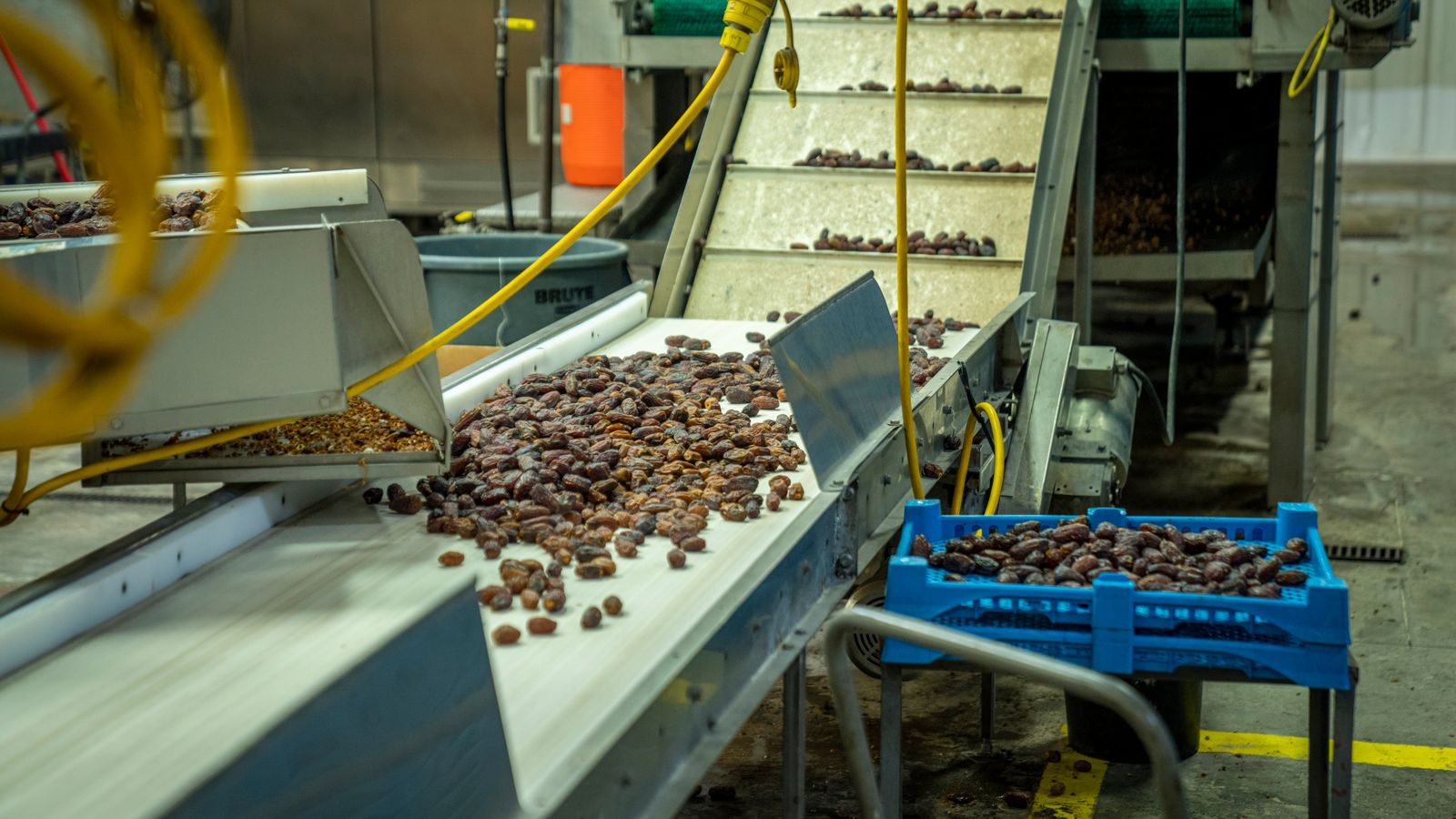
One trial participant, Carnarvon-based Sweeter Banana, described using the mapping tools to direct imperfect but usable bananas into frozen and freeze-dried products. Business manager Doriana Mangili said the company reduced waste from as much as 30% to virtually zero over several months by routing material through a value-adding facility. The figure is a result reported by that participant, not a measured outcome applicable to other food manufacturers. It depended on a suitable raw material stream and an existing route for producing and selling additional products.
Economic assessment is particularly important for smaller facilities where seasonal output or inconsistent raw material flows may limit equipment utilisation. A dehydration process, for example, requires energy, labour and packaging as well as an outlet for the finished product. Waste prevention may instead require changes to incoming specifications or process settings. Comparing such options on a consistent basis can help management avoid investing in a technically feasible scheme that offers an unattractive return.
The waste calculators can also improve the consistency of project discussions inside a factory. Production, quality, engineering and finance teams often measure losses differently: tonnes discarded, percentage yield, disposal charges and lost sales may all be useful but are not equivalent. Establishing a common baseline lets them compare projects, identify data gaps and distinguish an operational waste reduction from a simple transfer of material into another cost centre.
Western Australian authorities launched Food Waste PRO as an assessment resource for regional food businesses, and the framework may also be informative to manufacturers elsewhere. Waste handling rules, by-product permissions, product safety requirements and economics would need reassessment in each jurisdiction and plant. Its immediate value is a structured decision process; independent results across a broader sample of participating businesses have not yet been published.