IN Brief:
- The Food and Drink Federation wants targeted industrial energy relief extended to food and drink manufacturers.
- Rising energy, transport, ingredients and packaging costs are placing pressure on production margins and investment.
- The FDF forecasts food inflation reaching 3.9% by December 2026 and peaking at 6.4% in July 2027.
UK food and drink manufacturers are urging the Chancellor to extend targeted industrial energy support to their sector in today’s Autumn Budget, warning that rising production costs threaten investment, domestic manufacturing capacity and the affordability of food.
The Food and Drink Federation (FDF) argues that manufacturers face substantial increases in fuel, gas, electricity, ingredients and packaging costs, with businesses struggling to absorb further expenditure while maintaining competitive prices.
Dr Liliana Danila, Chief Economist at the FDF, said: “There’s no doubt that the cost of producing food in the UK is rising.”
The federation wants the government to extend targeted energy relief to food and drink manufacturers, arguing that an essential sector supplying consumers and retailers should receive support comparable to that available to other manufacturing industries.
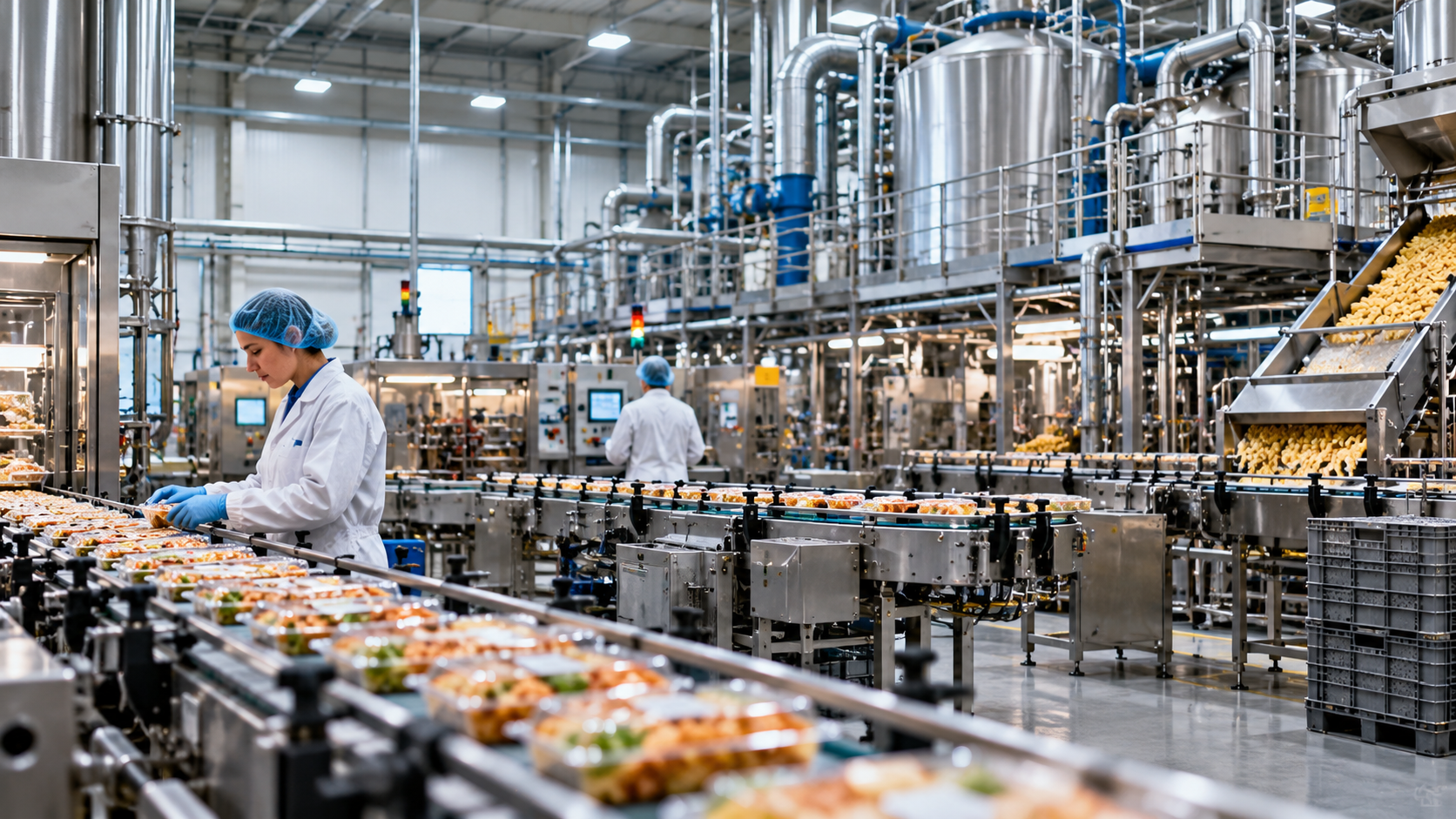
Energy expenditure is a significant component of food processing costs. Production facilities rely on electricity for refrigeration, freezing, automated handling and packaging, while gas and other fuels are used for process heating, steam generation and thermal treatment.
These requirements mean that higher energy prices can affect several stages of production simultaneously. Rising transport costs increase expenditure further, particularly where manufacturers depend on regular deliveries of chilled ingredients or temperature-controlled distribution.
According to figures provided by the FDF, diesel prices have increased by 41% since February 2026, while petrol prices have risen by 32%. UK gas futures for December delivery have increased by 166% over the same period.
The federation also estimates that electricity prices faced by most UK producers are roughly double the European average, creating an additional competitiveness challenge for domestic food processors.
Despite these increases, the latest Office for National Statistics figures show that food and non-alcoholic drink inflation remained at 1.3% in September, unchanged from August. Prices fell by 0.2% during the month.
The relatively subdued consumer inflation figure contrasts with the cost pressures reported by manufacturers, which have sought to limit price increases through operational efficiencies and absorbing additional expenditure.
Danila warned: “Packaging and ingredient costs are also rising. We expect that these increases will start to appear in consumer prices into next year.”
The FDF’s food inflation forecast anticipates an increase to 3.9% by December 2026, with inflation potentially reaching 6.4% in July 2027. These are industry forecasts rather than official projections, and their outcome will depend on movements in energy, agricultural and other input costs.
The pressures are also affecting longer-term investment.
In its State of Industry report for the second quarter of 2026, the FDF found that 84% of responding manufacturers did not plan to increase research and development spending over the following year, while 87% did not expect to increase investment in skills.
Business confidence remained negative for a ninth consecutive quarter, with manufacturers identifying energy costs, labour expenditure and regulatory pressures among the obstacles to growth.
Restricted investment can delay improvements in production efficiency, equipment replacement and product development. Modern refrigeration systems, heat recovery equipment and automated processing lines may offer opportunities to reduce operating costs, but implementing them requires capital expenditure and, in some cases, modifications to existing facilities and utilities.
The FDF’s research also found that 56% of responding businesses wanted government action to reduce energy costs, reinforcing its call for sector-specific support.
Danila said: “Food and drink has a direct impact on household budgets, so offering our sector the same support that is enjoyed by other manufacturing sectors would show a clear commitment to tackling the cost of living.”
The federation maintains that reducing production costs would help manufacturers protect investment and limit pressure to pass further increases to customers.
Food and drink businesses will be examining today’s Budget for any additional energy assistance, particularly its eligibility criteria, level of support and implementation timetable. Those details will determine whether relief can influence production costs and investment decisions ahead of the anticipated rise in food inflation.