IN Brief:
- The 22,000-square-metre facility offers approximately 30,000 pallet positions near Bologna.
- Storage is controlled at 18–20°C, suitable for specified ambient goods rather than refrigerated food.
- Italian organic food company Alce Nero is the anchor customer for warehousing and fulfilment.
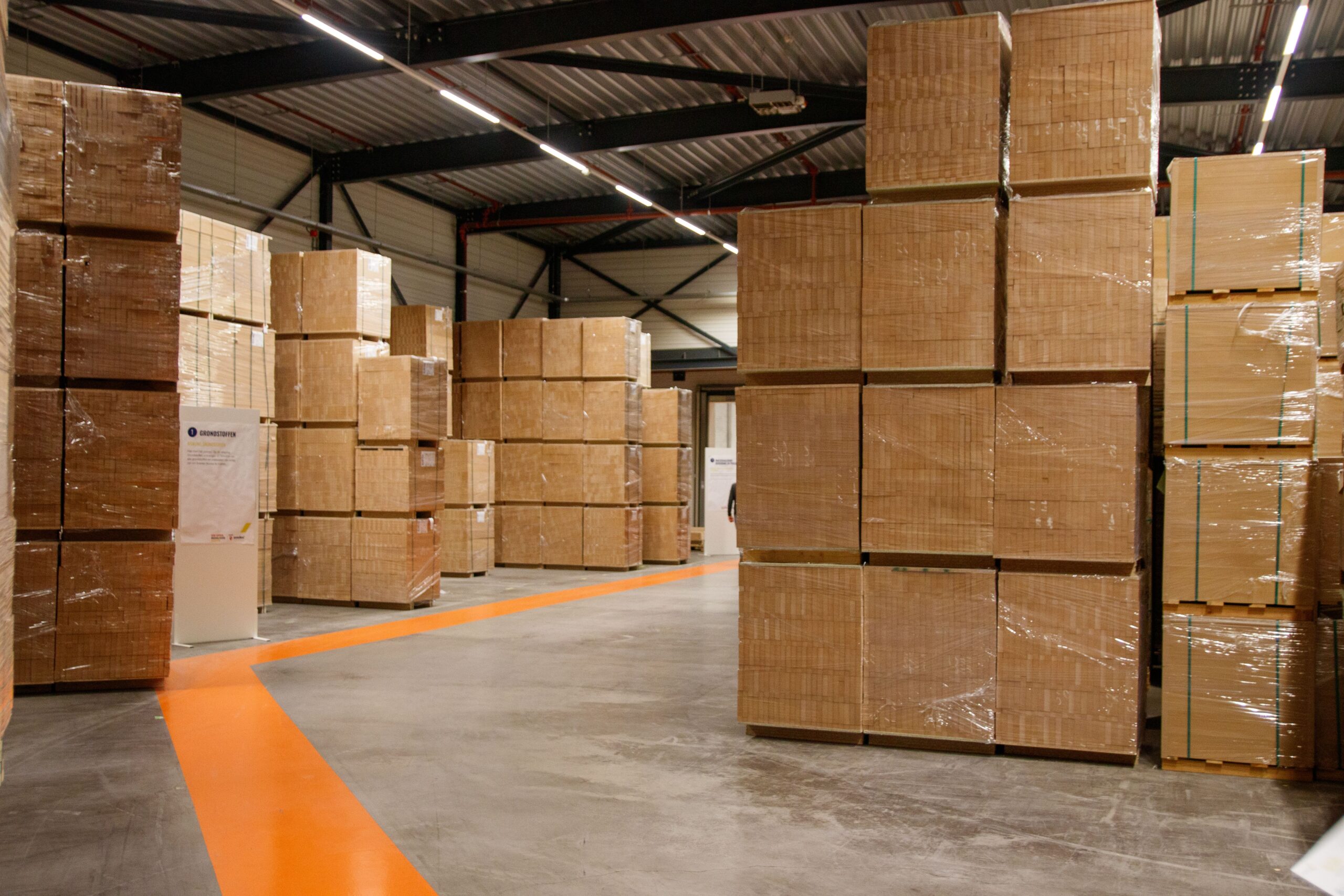
DP World has opened a 22,000-square-metre contract logistics facility near Bologna in Italy, establishing its first fast-moving consumer goods operation of this type in the country. The multi-customer site in Castel San Pietro Terme provides approximately 30,000 pallet positions, controlled ambient storage and services spanning warehousing, transport and e-commerce fulfilment. Italian organic food producer Alce Nero is the anchor customer, with DP World managing several parts of its distribution operation under a new partnership.
The warehouse offers storage controlled at 18–20°C, a specification appropriate to certain ambient food and consumer goods but not to products requiring refrigeration or freezing. Temperature control can help maintain consistent conditions for specified products, but it does not override manufacturers’ own declared storage requirements. DP World has not announced chilled rooms, frozen capacity or independently validated cold-chain performance at the new site. The distinction is especially important where an industrial food producer operates both ambient and temperature-sensitive product ranges.
Alce Nero operates across multiple supply chains and sales channels, creating a requirement for coordinated stock, order picking and transport. DP World says its activities at the site include warehouse management, e-commerce fulfilment and distribution, intended to give the producer a more integrated view of its logistics. Organic food handling is specifically identified as one of the site’s capabilities. For organic products, traceability and segregation of relevant materials and records are essential, even where the goods share a warehouse building with other categories.
A multi-customer warehouse has different operational demands from a facility dedicated to one factory or brand. Inventory must remain clearly attributable to each customer, while picking, replenishment, packaging and dispatch processes need to accommodate different order profiles. In food logistics, batch identity, shelf-life constraints and product rotation can be central to deciding which pallet is picked. The announcement refers to integrated logistics technology, although it does not identify the warehouse management system, automation suppliers or specific traceability interfaces in use.
Its position at Castel San Pietro Terme gives the facility road access towards domestic and wider European markets. The benefit to individual food suppliers will depend on inbound manufacturing locations, delivery destinations, vehicle loading, route design and the frequency of smaller e-commerce orders. Consolidating stock can reduce duplicated handling in some distribution patterns, while longer journeys or more frequent deliveries can offset those gains. DP World has not published a baseline against which transport costs, inventory levels or emissions can yet be compared.
The infrastructure also forms part of a broader commercial pattern in which logistics groups provide more than warehouse space. A provider can combine receiving, storage, order processing and outbound transport under a single operating arrangement, reducing the number of interfaces a food manufacturer has to manage. That does not automatically make outsourcing less expensive: contract terms, stock accuracy, service-level performance, handling requirements and seasonal peaks all influence the overall cost. For a brand selling through several channels, the value of integration will be tested during changes in demand.
Rainer Schmid, chief commercial officer at DP World Europe, describes the launch as part of the group’s food and beverage logistics expansion. The warehouse has capacity to serve additional customers across food, e-commerce, consumer goods and technology, although the operator has named only Alce Nero as its anchor customer. Its approximately 30,000 pallet positions measure available storage capacity, not occupied stock or the number of pallets processed during a year. Those distinctions will be important when assessing utilisation as further customers join the facility.
Alce Nero’s General Manager Renzo Patelli described the producer’s supply chains, members, partners and customer requirements as complex, with several logistical flows to coordinate. The partnership gives the company access to one contracted provider for those functions while it continues its food production and marketing activities. It illustrates how manufacturers are evaluating logistics network design alongside plant capacity and product portfolio decisions.
Operating performance will depend partly on whether inventory systems retain lot identity, expiry information and customer-specific stock rules through receiving, put-away, picking and dispatch. A pallet can be in the correct location yet unsuitable for a customer order because its remaining shelf life falls below an agreed threshold. Food traceability also requires defined procedures for identifying and isolating affected lots during a withdrawal or recall. DP World’s release confirms integrated logistics technology but does not specify the systems, software interfaces or food traceability metrics at this site.
Alce Nero is the initial anchor customer for the operational facility near Bologna, with warehousing, fulfilment and transport included in its agreement. The next measurable developments will be utilisation by further customers, order performance and service levels, none of which was quantified in the launch statement. The 18–20°C operating range also defines which food categories the new hub can serve without separate refrigeration infrastructure.