IN Brief:
- Heidelberg has confirmed commissioning of two Boardmaster presses at UFlex ASEPTO’s Egyptian facility.
- The $126 million factory, installed machinery and planned capacity were already known in September.
- The 600m/min press capability is a design specification; commercial carton output remains undisclosed.
UFlex‘s ASEPTO division has now commissioned two Heidelberg Boardmaster web flexographic presses at its new liquid-packaging facility in Ain Sokhna, Egypt, according to the machinery manufacturer’s 27 October confirmation. The equipment is part of a previously reported $126 million investment in an aseptic-carton plant that has already undergone customer trials. Installation and the factory’s design capacity were reported in September; the new, narrower development is Heidelberg’s confirmation that both presses have been commissioned. The company has not reported full commercial utilisation of the plant.
The Heidelberg systems are intended to support UFlex ASEPTO’s planned 12 billion-pack annual capacity in Egypt, taking combined design capacity across its Indian and Egyptian operations to 24 billion packs. Both figures are projections of what the plants could produce once operating at their intended rate. They are not actual 2026 output, confirmed sales or a measure of the presses’ throughput in isolation. Printing must be coordinated with lamination, slitting, roll handling and the separate converting processes before printed material can be turned into liquid-packaging products.
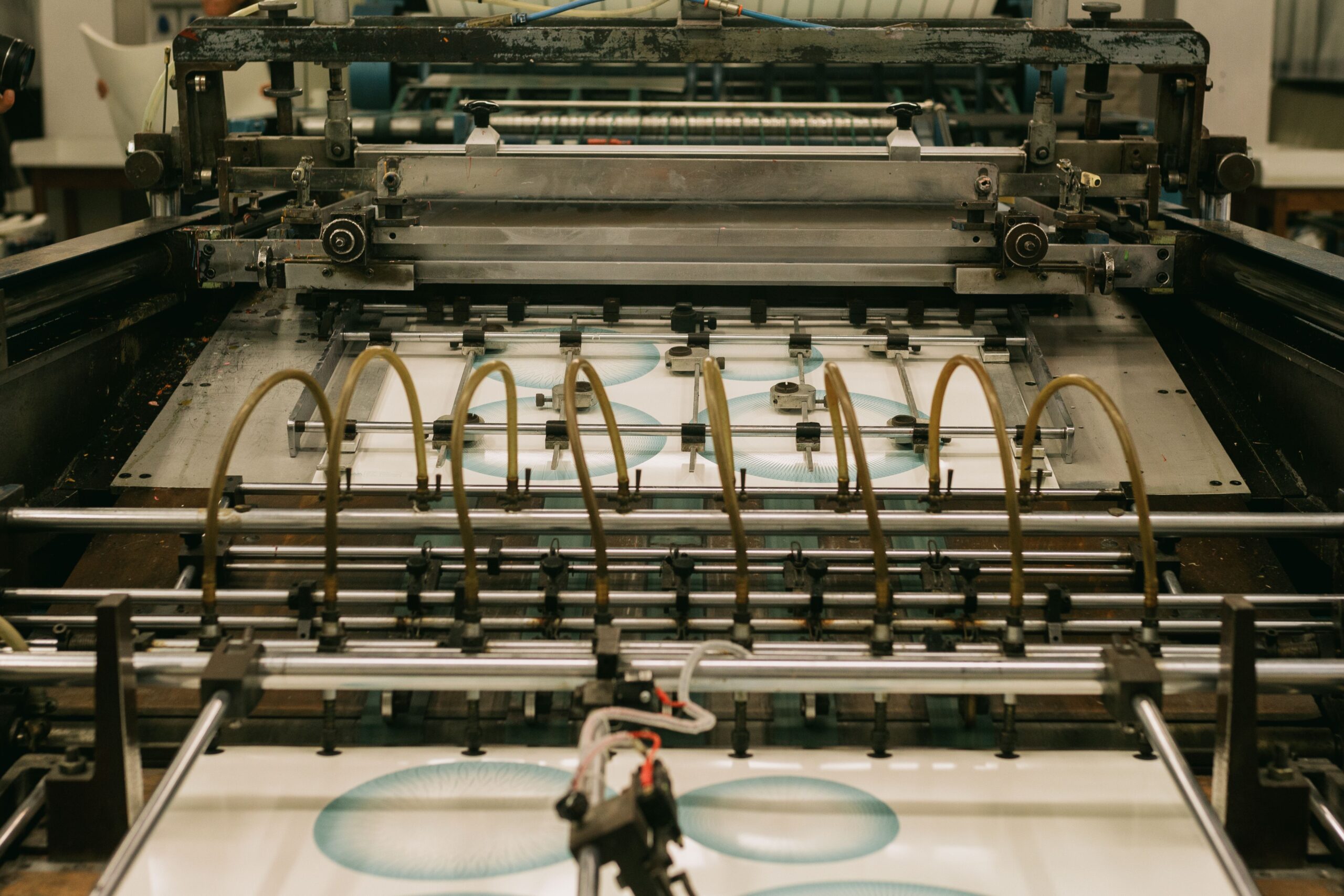
The Boardmaster is a web-fed flexographic platform, in which ink is transferred from printing plates to moving packaging material through controlled contact. Uniform registration and print quality become critical when long rolls of carton substrate are later converted into finished liquid packaging. Variation can affect graphics, codes, alignment and subsequent converting, while downtime for plate changes or cleaning can reduce effective output. The press therefore sits at a strategically important point in the production chain, although it is not an aseptic filling line in itself.
Heidelberg quotes a maximum web speed of 600 metres per minute, automated defect detection, rapid job changes and machine availability of up to 90% for the Boardmaster design. These are manufacturer specifications, not disclosed operating results for the Egyptian installation. A press’s maximum linear speed is distinct from saleable print output because setup, artwork complexity, substrate properties, drying, inspection rejects and downstream constraints all affect how much material clears quality control during a shift.
Previous reporting on the Ain Sokhna project identified two Boardmaster XL 1650 presses, each with a nominal web width of 1,650mm; it also described lamination and slitting equipment already installed at the site. The earlier account makes the equipment itself an established part of the factory plan, so the October confirmation should be read as a commissioning-status development rather than the first disclosure of the press order. Web width can improve conversion economics when print layouts and trim requirements are optimised, but actual material losses depend on registration, plate changes, stock characteristics and the required pack formats.
Aseptic cartons require particular control of material properties. Their multi-layer structure must meet barrier and mechanical requirements for the intended liquid product and filling process. Printed decoration is one element in a series of production steps that also need to manage adhesion, sealability, dimensional accuracy and food-contact compliance. A high-speed printing machine will support those outcomes only if its output remains within the tolerances required by lamination and later conversion.
Ashwani Sharma, President and Chief Executive Officer of ASEPTO, said the investment in Heidelberg equipment was intended to support consistent print quality and faster responses to customer requirements. The machines’ automated job preparation and process controls could prove useful where a liquid-packaging converter changes between brand artwork and carton variants. Heidelberg has not disclosed measured changeover savings or overall equipment effectiveness for these particular presses, however. Actual performance will be established through production records after commissioning, rather than equipment specifications alone.
The strategic location of the new Egyptian facility is also part of UFlex’s regional supply planning. The investment is expected to give ASEPTO a second manufacturing base for its liquid cartons and a route to markets in the Middle East, Africa and Europe. The economics of that model depend on the delivered cost of materials and finished packaging, trade arrangements, transport and customer demand. Opening a plant close to growing markets does not remove the need to commission individual machines, establish stable yields and complete commercial qualification.
The technical trade-off in high-speed flexographic work extends beyond press speed. Faster web movement puts additional demands on registration control, drying, ink compatibility and defect detection. A machine capable of 600 metres per minute will only deliver finished packaging material at that rate when the entire production sequence can sustain it. Reported maximum speed should therefore remain distinct from net saleable output per shift or customer delivery volumes.
The two systems are therefore a verified piece of commissioned printing equipment within a broader packaging factory that was already undergoing trials in September. UFlex has not supplied a current figure for commercial carton output, the percentage of plant capacity utilised or the date at which all customers will receive qualified production material. Those operational measures, rather than repeating the $126 million investment figure, will establish how far the Ain Sokhna site has progressed beyond commissioning.