IN Brief:
- Pladis opened applications on 3 November for the second round of its global food technology accelerator, with a 15 January 2027 closing date.
- The programme targets fermentation, enzymatic processing, reformulation, sensory science and functional ingredient technologies relevant to snack manufacture.
- Up to 12 start-ups may enter the programme, with three to six potentially progressing to pilots or co-development; no new pilot outcome has yet been demonstrated.
pladis has opened applications for a second global food technology accelerator, seeking ingredients and processing approaches that could be tested in industrial snack formulations. The McVitie’s, GODIVA and Ülker owner is focusing on nutrition, ingredient resilience, flavour, texture and sustainability. Applications opened on 3 November and close on 15 January 2027; participants are due to be announced in early March.
Up to 12 start-ups could work with technical specialists during the new programme, with three to six potentially moving into pilot or co-development work. These are planned selections rather than contracts already awarded. The company is inviting applications from technology developers before deciding which proposals can be assessed against its product-development and manufacturing requirements.
The search covers fermentation, enzymatic processing, sensory science, natural alternatives to conventional additives and ingredients associated with gut health or functional nutrition. Pladis wants to improve formulations while retaining the eating qualities associated with existing snack categories. Any ingredient selected would need to be evaluated against the relevant product specification, safety requirements and processing conditions before inclusion in a commercial range.
Fermentation can alter an ingredient’s flavour, acidity or functional characteristics through controlled microbial activity. Enzymes can catalyse particular chemical changes in food ingredients, including carbohydrates or proteins, depending on their specificity and process conditions. Neither description establishes that pladis has adopted a new factory process: the accelerator is looking for applicants able to demonstrate useful results when their technologies are tested with established formulations.
Biscuits and confectionery depend on the behaviour of fat, sugar, starch and protein during mixing, forming, heating and cooling. Altering those ingredients can change dough flow, moisture retention, structure and perceived sweetness, sometimes requiring adjustments to equipment settings or processing time. Developers of alternative ingredients therefore have to assess the product as a whole rather than treating a nutritional or environmental claim as sufficient proof of compatibility.
The first accelerator drew around 300 applications from five continents and selected 12 finalists, supported by 37 mentors from pladis and parent group Yıldız Holding. Six proof-of-concept collaborations followed. Those outcomes establish prior technical work and a selection process; the company has not reported that the six concepts are now being manufactured commercially across its snack factories.
Among the technologies highlighted from the earlier cohort, Zya presented Convero, an enzyme product for which it claims conversion of up to 30% of consumed sugar into fibre after consumption. Fermtech has worked on fermenting food-industry by-products to make a cocoa alternative, while Dublin-based Nuritas identifies bioactive plant peptides using computational and genomic methods. These are examples from the previous programme, not the line-up for the newly opened round, and their claimed effects require assessment for the intended application.
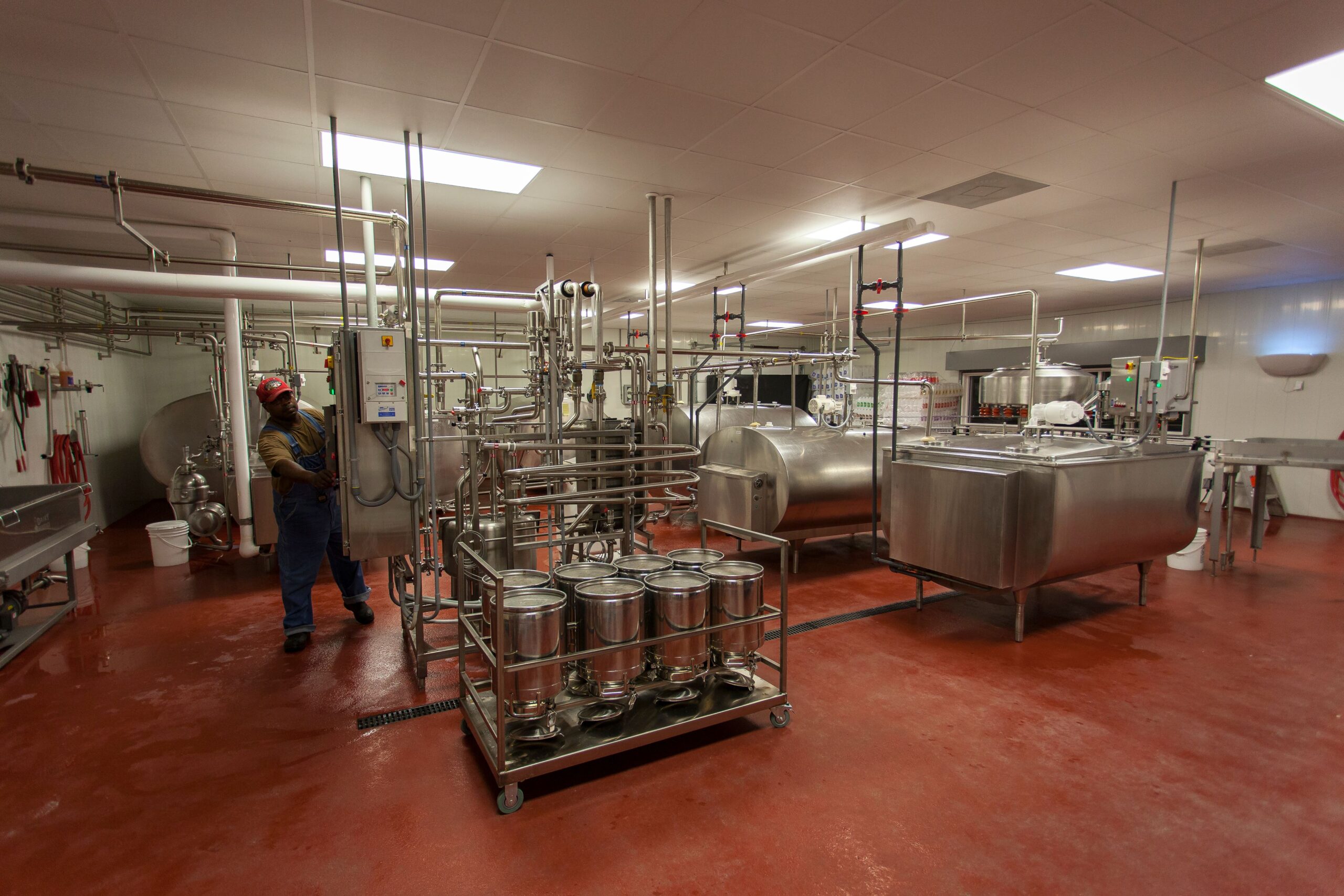
Pladis links the recruitment drive to pressure on commodity supply, demand for altered nutritional profiles and changing consumption patterns associated with GLP-1 medicines. Such pressures can affect ingredient selection, but a factory-scale recipe must still satisfy the required texture, shelf life, sensory profile and cost limits. A novel component that works in a laboratory batch may behave differently when mixed continuously, deposited or baked at industrial speed. Larger batches expose an ingredient to different residence times, heating rates and shear forces, which can affect viscosity, ingredient distribution and consistency between runs. Any resulting changes to moisture or structure would need to be measured against finished-product specifications before moving beyond a pilot.
A pilot provides an opportunity to examine repeatability across batches, including the effect of ingredient variation, processing temperatures, storage conditions and interactions with other formulation components. Additional work could be needed on allergens, labelling or the regulatory status of new ingredients. Pladis has not prescribed a single test plan for every applicant; the scope of any pilot will follow from the technologies chosen and their proposed food uses.
Participation in the accelerator is free, according to pladis, and the programme offers access to its technical and operational expertise. Any later commercial arrangement would need to settle development responsibilities, use of research results and future ingredient supply. The immediate commitment is a structured application and evaluation programme; the number of eventual industrial deployments will depend on what the selected technologies can demonstrate.
Applications will remain open until 15 January 2027, with pladis expecting to announce the selected start-ups in early March. The next substantive development will be the identification of technologies chosen for pilot or co-development work, followed by results showing whether they can deliver consistent performance in snack formulations.