IN Brief:
- England's mandatory poultry housing order comes into force at 00:01 GMT on 13 November.
- The requirements apply to holdings with at least 50 birds and to keepers selling or giving away poultry, eggs, or live birds, subject to exemptions.
- A nationwide Avian Influenza Prevention Zone has imposed enhanced biosecurity measures on all bird keepers since 11 November.
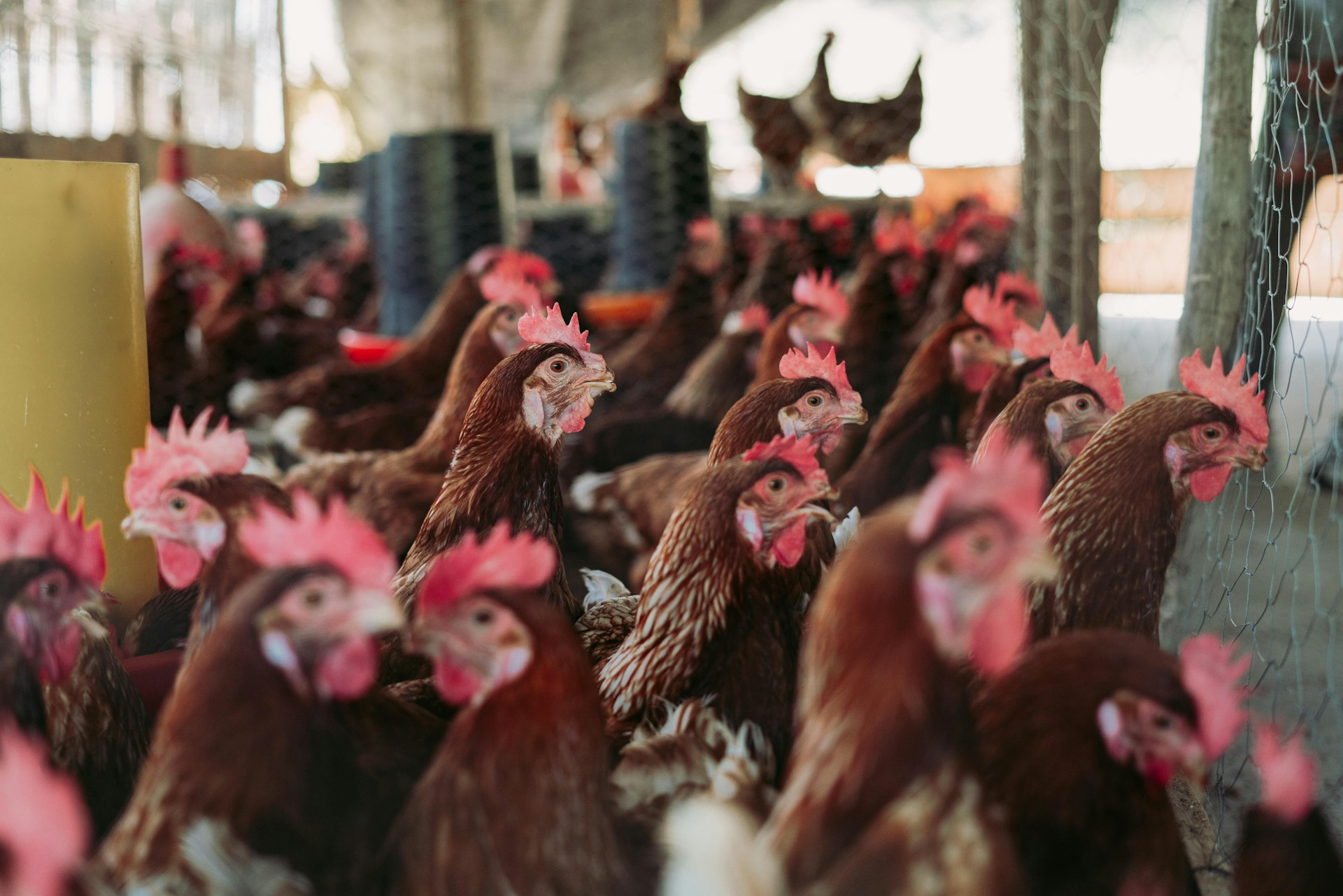
Defra has ordered mandatory poultry housing across England from 00:01 on Friday 13 November 2026, following an increase in highly pathogenic avian influenza infections among kept and wild birds.
The restrictions require holdings with 50 or more birds to house their poultry and captive birds, subject to specified exemptions. They also apply to keepers who sell or give away eggs, poultry products, or live birds, regardless of the number kept.
The housing order follows the introduction of a separate England-wide Avian Influenza Prevention Zone (AIPZ), which came into force at 09:00 on 11 November. The prevention zone requires enhanced biosecurity measures from all bird keepers, including those with small domestic flocks.
The two measures impose different obligations. The AIPZ establishes nationwide precautions against introducing or spreading infection, while the additional housing order requires qualifying keepers to prevent birds from accessing outdoor areas under the applicable rules.
Defra introduced the controls following increasing detections of highly pathogenic avian influenza, including H5N1 infections in commercial poultry. By 11 November, six H5N1 cases had been confirmed in England during the 2026–27 outbreak season.
Confirmed infections require additional measures around affected premises. Protection and surveillance zones can restrict movements of birds, products, vehicles, and other materials, depending on the conditions applying to each outbreak.
These local restrictions operate separately from the national housing and biosecurity requirements. Commercial operators must therefore establish whether their premises are subject only to the general controls or to additional conditions associated with a nearby confirmed infection.
Wild birds can introduce avian influenza into poultry holdings through direct contact or environmental contamination. Feed, water, equipment, clothing, bedding, and surfaces exposed to infected material can create pathways through which disease is carried into buildings.
Housing reduces opportunities for direct contact with wild birds, but it does not remove every possible route of transmission. Contaminated materials can still enter poultry buildings through routine farm activity unless suitable controls are maintained.
The AIPZ requires keepers to clean and disinfect clothing, footwear, equipment, and vehicles as appropriate. It also calls for reduced unnecessary movements around bird accommodation, effective vermin control, and regular cleaning of buildings and relevant surfaces.
Fresh disinfectant must be maintained at the appropriate concentration at entry and exit points. Feed and drinking water must be protected from wild birds, while precautions are required to prevent contact with ponds and watercourses.
Commercial poultry producers already operate disease-prevention procedures, but the national requirements increase the importance of maintaining those controls consistently across all premises and activities.
Feed deliveries, equipment maintenance, veterinary visits, catching operations, and the movement of workers can create contact between poultry holdings and external environments. Suitable cleaning and access procedures must be maintained throughout these activities.
Housing can also require changes to the management of farms that normally use outdoor systems. Buildings must provide suitable conditions for the number and type of birds kept, including appropriate ventilation, access to feed and water, litter management, and opportunities to express normal behaviour.
Environmental conditions inside poultry accommodation can change when birds spend longer periods indoors. Ventilation arrangements must manage temperature, moisture, and air quality while maintaining the required level of protection against disease introduction.
Keeping birds indoors may also change feeding routines and the amount of litter requiring attention. The specific arrangements depend on the species, stocking conditions, and existing accommodation.
Defra has published guidance for circumstances in which conventional housing arrangements may be unsuitable, including certain captive birds and species with particular welfare requirements. Exemptions must be considered under the applicable rules rather than assumed by individual keepers.
The new requirements have implications for farms supplying poultry meat processors and egg-packing operations. Businesses sourcing from several holdings will need to distinguish nationwide biosecurity measures from additional restrictions affecting individual suppliers.
Movement controls around confirmed outbreaks may require licences for certain activities. The existence of the national housing order does not, by itself, prohibit all movements of poultry or suspend ordinary slaughter operations.
Processors will therefore need to monitor the status of their supplying farms and the specific conditions applying to birds and products moving from controlled areas.
Extended housing periods may also affect product marketing classifications. Free-range systems are governed by standards that allow certain temporary restrictions under compulsory veterinary measures, although the permitted arrangements differ between eggs and poultry meat.
The duration of compulsory housing can consequently become relevant to whether a product continues to meet a particular marketing description. Operators must follow the rules applying to their product category rather than use one common threshold for all poultry products.
Defra has not forecast an overall shortage of Christmas poultry as a result of the restrictions. The UK produces approximately eight million turkeys annually, and officials do not currently anticipate a nationwide effect on seasonal availability.
That assessment does not exclude disruption at individual premises affected by disease. Confirmed outbreaks may require birds to be culled and impose movement restrictions on surrounding areas, with the commercial consequences depending on their location and scale.
The Food Standards Agency continues to advise that properly cooked poultry, poultry products, and eggs are safe to eat. The UK Health Security Agency assesses the current risk to human health from avian influenza as very low.
UK Chief Veterinary Officer Christine Middlemiss has urged keepers to comply with the housing requirements, maintain robust biosecurity, and report suspected infections promptly to the Animal and Plant Health Agency.
National surveillance will continue alongside the prevention zone and local outbreak controls. The length of time that housing remains mandatory will depend on subsequent disease detections and official assessments of the risk.
Commercial poultry producers and processors must now prepare for the 13 November implementation while maintaining the biosecurity requirements that entered into force two days earlier.