IN Brief:
- Mars has opened 35,000 square feet of dedicated Trü Frü production space in Salt Lake City.
- A $60 million investment provides two manufacturing lines capable of producing 17 million frozen snack products annually.
- The expansion will create more than 100 jobs within a site that also manufactures Nature's Bakery snack bars.
Mars has opened a $60 million manufacturing expansion in Salt Lake City, Utah, establishing dedicated production capacity for its Trü Frü frozen fruit and chocolate snacks within an existing food manufacturing facility.
The investment provides 35,000 square feet of additional production space and two dedicated manufacturing lines, with sufficient installed capacity to produce approximately 17 million Trü Frü frozen snack products annually.
Announced on 11 November 2026, the expansion will create more than 100 jobs across production, engineering, and technical operations. It marks the first time Trü Frü products will be manufactured in Salt Lake City, where the brand maintains its corporate headquarters.
The new production area is located within a Mars facility in the city's Mountain West neighbourhood that also manufactures Nature's Bakery snack bars. The site opened in 2025 following an investment of approximately $240 million in snack bar production.
Mars is using the existing manufacturing infrastructure to support the expansion of a second snacking business, rather than constructing a separate standalone Trü Frü factory.
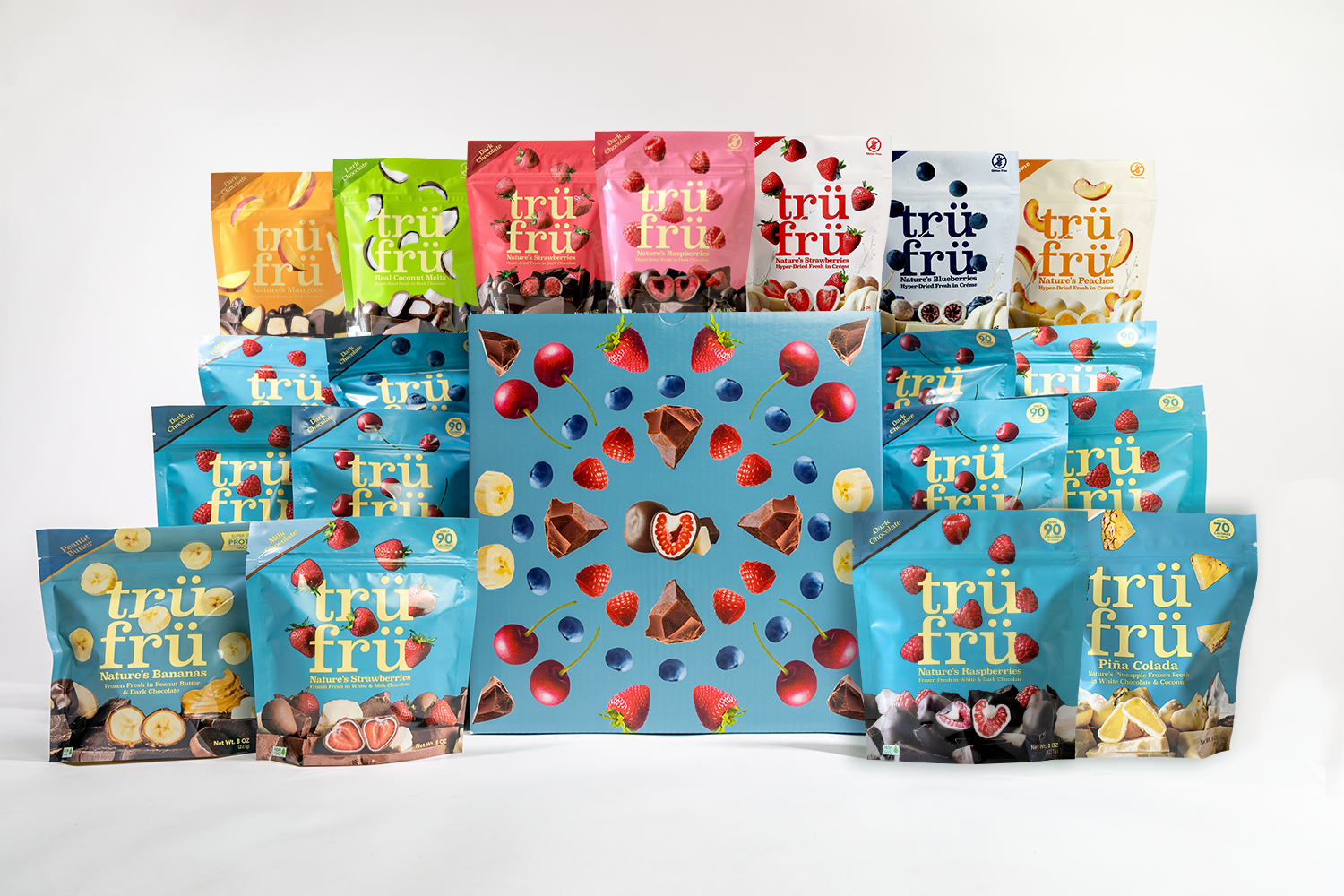
The new lines will manufacture varieties from the brand's frozen portfolio, which combines prepared fruit with chocolate coatings. Mars has confirmed that the expansion incorporates automation upgrades intended to improve frozen production processes.
The manufacturer has not identified the suppliers of the equipment installed, released the individual line speeds, or provided a detailed description of the automated systems.
Trü Frü chief executive Harvey Millar said the investment would increase the company's manufacturing flexibility as it expanded in the United States. Mars also intends the additional capacity to improve product availability across its distribution network.
The manufacturing process involves handling ingredients with different physical and temperature requirements. Frozen fruit and chocolate coatings must be combined while maintaining the product characteristics established for each formulation.
Fruit preparation influences the consistency of incoming material. Differences in fruit size, shape, moisture content, and temperature can affect handling through freezing and coating operations.
Frozen fruit products must also retain their intended condition during intermediate processing and storage. Temperature fluctuations can influence the physical behaviour of the fruit and the integrity of the finished snack.
Chocolate coatings require separate process control. The coating material must be handled within an appropriate temperature range and applied consistently to achieve the intended finish and product characteristics.
The interaction between a frozen centre and a coating introduces constraints that differ from conventional ambient confectionery production. Coating temperature, product temperature, handling time, and subsequent cooling conditions can influence the final structure.
These are established manufacturing considerations for frozen coated foods, rather than confirmed technical specifications of the newly installed Trü Frü equipment. Mars has not published the precise process sequence or operating parameters used at the Salt Lake City facility.
Once coated, the products must be handled and packed without compromising their physical condition. Packaging systems must accommodate the selected portion sizes while maintaining compatibility with the site's production and cold storage arrangements.
Frozen distribution also requires suitable temperature control beyond the manufacturing line. Finished products must remain within their specified conditions during storage, transport, and subsequent handling.
Maintaining those conditions is important when a manufacturer increases output substantially, as the capacity of freezing, packaging, storage, and dispatch operations must remain compatible.
The new installation's annual capacity of 17 million products represents its stated manufacturing capability, rather than confirmed production achieved during the initial period of operation.
The actual output will depend on equipment availability, operating schedules, product mix, and the rate at which the company brings the new capacity into regular use.
Mars has not disclosed the baseline production volume against which the investment should be measured, so the percentage increase in Trü Frü's overall manufacturing capacity cannot be established.
The company's description of the project identifies smart automation upgrades as part of the investment. However, it has not reported specific improvements in line efficiency, changeover time, energy consumption, or production yield.
Any assessment of the new equipment's operating performance will require measurements from production after commissioning. The capacity figure alone does not demonstrate improvements in those other manufacturing indicators.
Sharing infrastructure with Nature's Bakery provides a different potential benefit. The larger site already has manufacturing services, staffing arrangements, and supporting facilities developed for substantial food production.
The existing Nature's Bakery operation has the capacity to manufacture more than one billion snack bars annually, although baking and frozen confectionery require different process conditions and equipment.
Co-location may allow some supporting activities to be managed through shared facilities, while the new Trü Frü lines retain the specific temperature and processing requirements of their product range.
The investment follows substantial commercial growth since Mars acquired Trü Frü in 2022. The company reports that the brand's net sales have increased nearly fivefold and that its products are now available in 20 international markets, including Australia.
Mars has not disclosed the absolute sales figures underlying the increase or the proportion of output that the Utah facility will supply to individual markets.
The expansion nevertheless adds domestic manufacturing capacity to a brand with a broader distribution network and growing demand for its frozen snack products.
The project also forms part of Mars' wider manufacturing investment programme. The company has announced plans for substantial additional capital expenditure across its US operations, including food, confectionery, and pet care facilities.
Those programmes encompass different manufacturing processes and should be distinguished from the completed $60 million Trü Frü investment in Salt Lake City.
The latest expansion establishes dedicated production lines within an existing Mars manufacturing complex, adding capacity for frozen fruit and chocolate products alongside the site's established snack bar operations.
Further manufacturing performance figures will depend on the output, reliability, and utilisation achieved as the new installation moves through regular production.