IN Brief:
- Oxford researchers compared the existing 2004–05 Nutrient Profiling Model with the proposed 2018 model.
- Pass rates fell from 66% to 6% for soft drinks, 79% to 39% for breakfast cereals, and 78% to 36% for yoghurts.
- The updated model has not yet been applied to advertising or promotion regulations.
Researchers at the University of Oxford have found that proposed changes to the UK's Nutrient Profiling Model would substantially increase the number of supermarket food and drink products classified as less healthy under existing advertising and promotion restrictions.
The government-funded assessment compares the current 2004–05 Nutrient Profiling Model with the updated 2018 version, examining how different scoring rules affect products sold through UK supermarkets.
Soft drinks recorded the largest reduction among the categories highlighted in the report, with the proportion passing the nutrient profiling assessment falling from 66% under the existing model to 6% under the proposed replacement.
Breakfast cereals also experienced substantial changes, with pass rates falling from 79% to 39%. Among yoghurts, the proportion passing declined from 78% to 36%.
The analysis, published by Oxford's Nuffield Department of Primary Care Health Sciences on 26 October 2026, was conducted by Barthélemy Sarda, Professor Peter Scarborough, and Dr Lauren Bandy.
The researchers examined the proposed application of the updated model to advertising and promotion restrictions, assessing how changes to nutrient scoring would affect the classification of existing grocery products.
The current model is used within a two-stage regulatory assessment. A product must fall within a category specified by the relevant legislation and meet the nutrient scoring threshold for classification as less healthy before the corresponding restrictions apply.
Consequently, a product receiving an unfavourable nutrient score does not automatically become subject to every advertising or retail restriction. Its product category and the specific legislation remain relevant.
The updated Nutrient Profiling Model was published by the Department of Health and Social Care in January 2026, following a review intended to align nutritional scoring more closely with current dietary recommendations.
Although referred to as the 2018 model, the revised technical guidance was published in 2026. The government subsequently consulted on incorporating the updated system into existing advertising and promotion rules.
The consultation does not mean that the proposed model is already in force. Government guidance continues to identify the 2004–05 model as the version applied to the current regulatory framework.
The Oxford assessment found that 2,498 products received different classifications under the two models. Of those changing classification, 93% moved from passing the existing model to failing the proposed replacement.
The findings indicate that the revisions would affect considerably more products than those that simply sit immediately beside the existing scoring threshold.
One of the principal changes involves replacing total sugars with free sugars in the nutrient calculation. Total sugars are commonly declared on nutrition labels, whereas free sugars are defined according to their source and how they occur within a product.
Free sugars include sugars added during manufacturing and sugars naturally present in honey, syrups, fruit juices, and certain processed fruit ingredients. Their classification differs from sugars naturally contained within intact fruit or milk.
The change means that manufacturers cannot necessarily calculate the proposed score from the standard nutrition declaration alone. They may need more detailed information about ingredient composition and the origins of sugars within a formulation.
The revised model also changes scoring thresholds and the treatment of other nutritional components, including fibre and salt. These adjustments can influence a product's final classification even where its recipe has not changed.
The Oxford researchers identified the revised sugar methodology and stricter scoring thresholds as the principal reasons for the substantial increase in products classified as less healthy.
Different food categories respond to those changes in different ways. Soft drinks, breakfast cereals, and yoghurts can contain combinations of naturally occurring and added sugars, alongside ingredients that contribute to the overall nutrient score.
The model's treatment of these components consequently influences whether products meet the proposed threshold. A revised classification may arise from the changed calculation rather than any deterioration in nutritional composition.
Evaluating the alternative model requires accurate product composition data. Formulation teams must distinguish the ingredients contributing to the score and establish which adjustments could produce a measurable improvement.
Reducing free sugars may affect both nutritional classification and the physical performance of a product. Sugar influences sweetness, texture, moisture behaviour, and other properties in foods including baked goods and confectionery.
Breakfast cereal production may require changes to coating or extrusion conditions when recipe composition changes. The effect depends on the ingredients involved and the manufacturing method used.
Yoghurt reformulation presents different considerations, including flavour, fermentation behaviour, viscosity, and the balance between intrinsic milk sugars and added ingredients.
These technical consequences are established considerations in food manufacturing, rather than outcomes directly measured by the Oxford researchers. The study assessed product classifications and did not test revised manufacturing processes.
The analysis also identified limits to the product data available. Although it used a large supermarket dataset, it did not cover every retail channel, including discount retailers, or foods supplied through restaurants, takeaways, and other out-of-home businesses.
The reported pass rates should therefore be understood as findings from the assessed dataset, rather than an exact calculation covering every food and drink product sold in the United Kingdom.
The commercial consequences will depend on the government's final decision. A move to the updated scoring model could change the advertising and promotion eligibility of products in categories already covered by the legislation.
However, the research does not demonstrate that the government has adopted the proposed changes or that manufacturers are already required to reformulate products to meet the new thresholds.
It also does not establish that every product failing the updated model would be subject to all restrictions. The category test remains an essential part of the legislative framework.
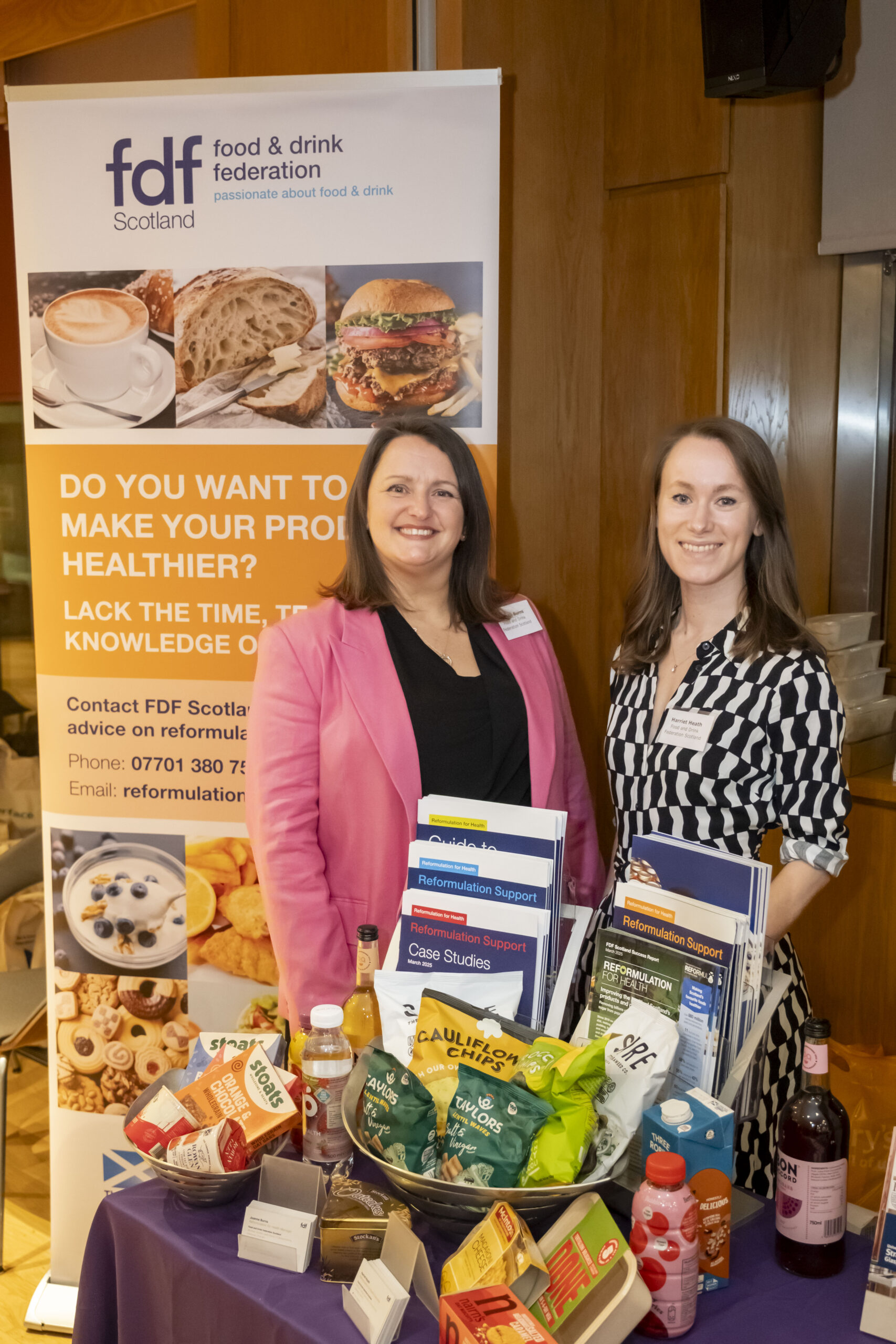
The Food and Drink Federation has separately raised concerns about the proposed model's effects on products that have already undergone nutritional improvement, including certain cereals, yoghurts, and beverages.
Those industry concerns concern the potential commercial effects of a regulatory change, while the Oxford report provides an independent analysis of the classifications produced by the two scoring methodologies.
The government's response to its consultation will determine whether the proposed model is introduced and how the revised thresholds are applied. Until then, the existing Nutrient Profiling Model remains the operative basis for the relevant advertising and promotion restrictions.