IN Brief:
- Nestlé will not repeat the Quality Street recyclable paper tub trial during Christmas 2026.
- The Smurfit Westrock packaging was introduced in 2024 and underwent further retail testing in 2025.
- Nestlé has not disclosed a technical failure and continues to explore a possible wider commercial rollout.
Nestlé will not repeat its Quality Street recyclable paper tub trial during Christmas 2026, with further packaging development planned following two years of testing through Tesco.
The confectionery manufacturer confirmed the decision on 10 November, explaining that experience from the 2024 and 2025 trials would inform future work on the alternative container. Nestlé has not established a timetable for another trial or a wider commercial rollout.
The decision concerns the experimental paper-based container rather than the Quality Street product range or its established plastic and metal packaging formats. Nestlé continues to examine the possibility of introducing the paper tub at greater scale.
The original trial began in October 2024, when more than 200,000 recyclable paper tubs were distributed to selected Tesco stores ahead of Christmas. The production run was expected to hold approximately 150 tonnes of confectionery, providing a substantial test of the alternative packaging during the brand's principal seasonal selling period.
Developed in partnership with Smurfit Westrock, the container retained Quality Street's distinctive octagonal shape and purple presentation, using decorative gold foil and an integrated reclosure feature.
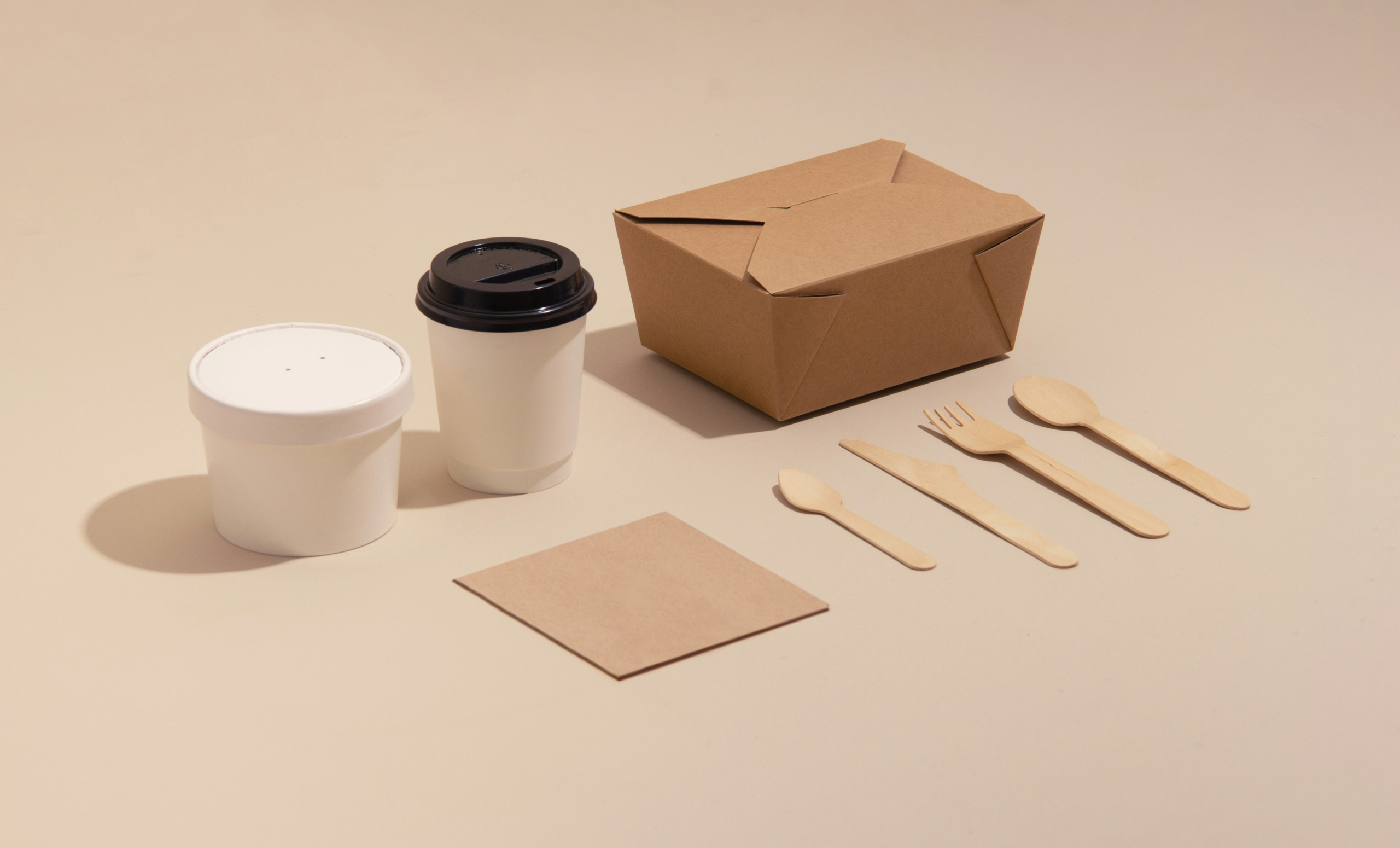
The packaging was designed to be placed in household recycling after use, replacing the conventional rigid plastic container with a paper-based structure. Its reclosure mechanism allowed the container to be opened and closed repeatedly while retaining its intended function as a sharing pack.
Before reaching stores, the paper tub underwent testing to assess whether it could maintain confectionery quality and freshness through transportation and storage. Nestlé also planned to collect feedback from shoppers, Tesco's supply chain personnel, and store teams.
Smurfit Westrock identified an additional potential benefit in the number of containers that could be accommodated on a transport pallet. Improved pallet utilisation could reduce the number of movements required for a given quantity of confectionery, depending on the actual packaging and distribution arrangements.
The partners did not establish that every distribution operation would achieve a particular reduction in emissions. Packaging weight, manufacturing inputs, transport distances, and the number of units carried would all influence the final environmental outcome.
Following the first Christmas trial, the paper format returned to selected Tesco stores in 2025. This provided another period of retail testing before Nestlé decided not to repeat the programme in 2026.
A Nestlé spokesperson confirmed that the company was using its experience from both years to make further developments. The manufacturer retains an ambition to bring the packaging back on a larger scale, but has not disclosed the changes being considered.
Moving from rigid plastic to a paper-based container involves several engineering considerations, although Nestlé has not identified any of them as the reason for the current pause.
Structural performance is important for packaging containing several hundred grams of confectionery. The container must withstand forces encountered during filling, packing, palletisation, transportation, retail handling, and use after purchase.
Paperboard structures respond differently from moulded plastics to compression, repeated handling, and variations in moisture. The precise performance of a paper container depends on the material grade, construction, any applied coatings, and the geometry of its supporting panels.
The integrated reclosure feature adds another requirement. A seasonal sharing container may be opened repeatedly, so its closure must continue to function without allowing the pack to lose its intended shape or presentation.
These mechanical characteristics become particularly important when packaging is moved through automated filling and handling equipment. A format suitable for limited production may require further development before being introduced across substantially larger volumes or additional production lines.
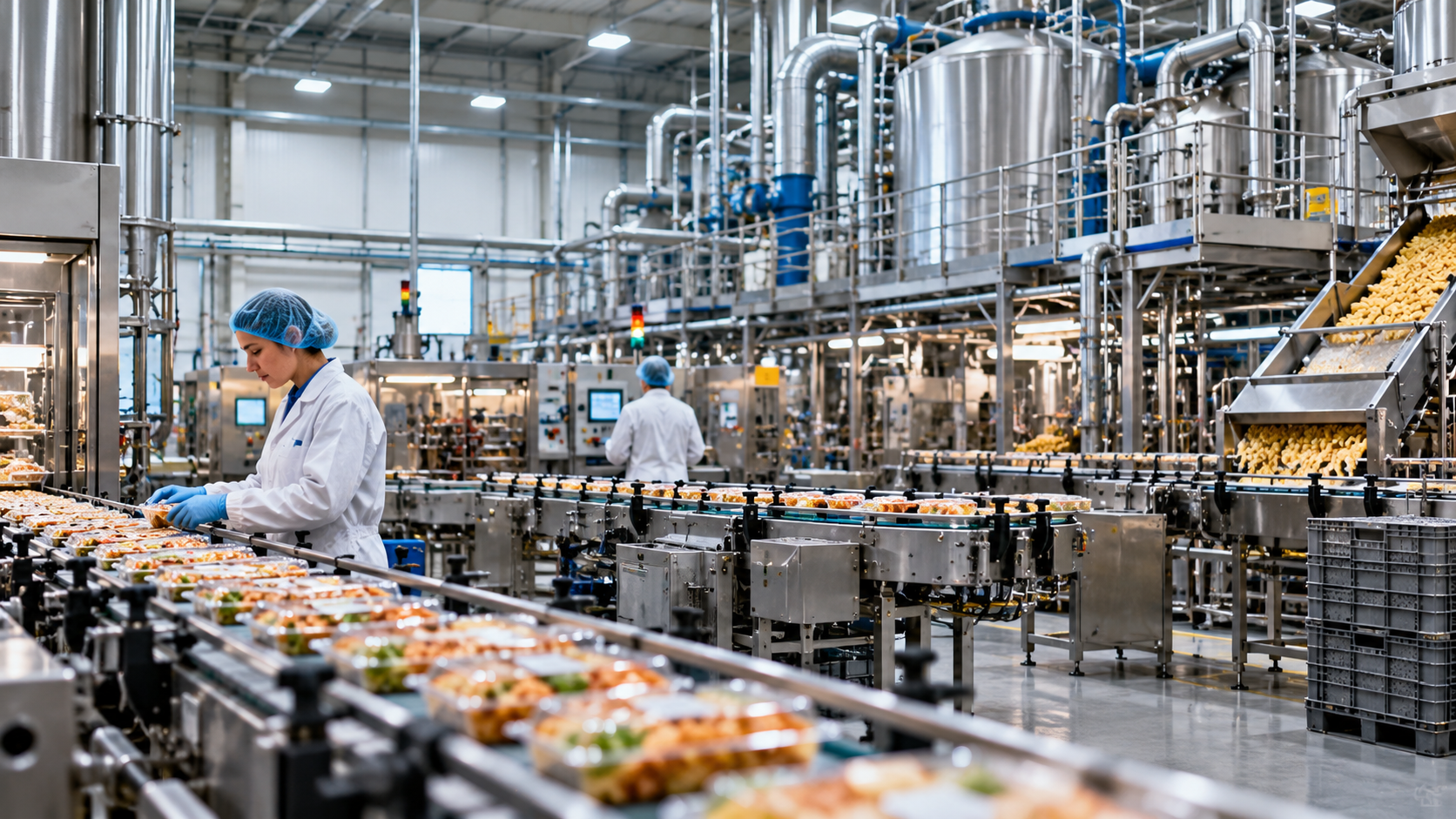
Manufacturing equipment must accommodate the dimensions, stiffness, and handling characteristics of the container. Forming, conveying, filling, closing, and downstream packing operations may also need adjustment when the material or construction differs from an existing format.
None of these requirements proves that the Quality Street trial encountered a particular machinery problem. Nestlé has not published evidence of a closure failure, unacceptable product damage, or difficulties with the packaging's recycling performance.
The company has likewise not disclosed the results of its customer feedback research or identified commercial costs as the reason for withholding the paper format this Christmas.
The paper tub development forms part of a broader programme to change the materials used in Quality Street packaging. In 2022, Nestlé began replacing conventional twist wrappers with recyclable paper alternatives, reducing the use of materials that could not enter ordinary household recycling systems.
According to the manufacturer, the change affected approximately two billion individual wrappers. The subsequent paper tub project addressed the outer container, a separate component with different mechanical and manufacturing requirements.
Wrapping individual sweets requires equipment capable of handling products at the required operating speed while maintaining suitable protection and presentation. The outer tub must instead provide capacity, structural strength, consumer access, and compatibility with secondary packing and distribution operations.
Smurfit Westrock's involvement brought packaging design and conversion expertise to a project intended to retain the brand's established visual identity. The paper tub was developed to remain recognisable while changing the material used for its principal structure.
Further development could involve adjustments to packaging construction, manufacturing processes, or commercial arrangements, but Nestlé has not specified which changes are under consideration.
The manufacturer will continue selling Quality Street through its existing packaging range during Christmas 2026. Any subsequent return of the paper tub will depend on the outcome of further development work and a decision to resume retail testing or commence wider production.