IN Brief:
- Polytag has integrated GS1 Digital Link Smart QR Codes with Provenance Proof Points.
- Provenance distinguishes evidenced claims from third-party verified claims and certified credentials.
- Manufacturers must keep packaging identifiers, specifications, and online claims aligned as products change.
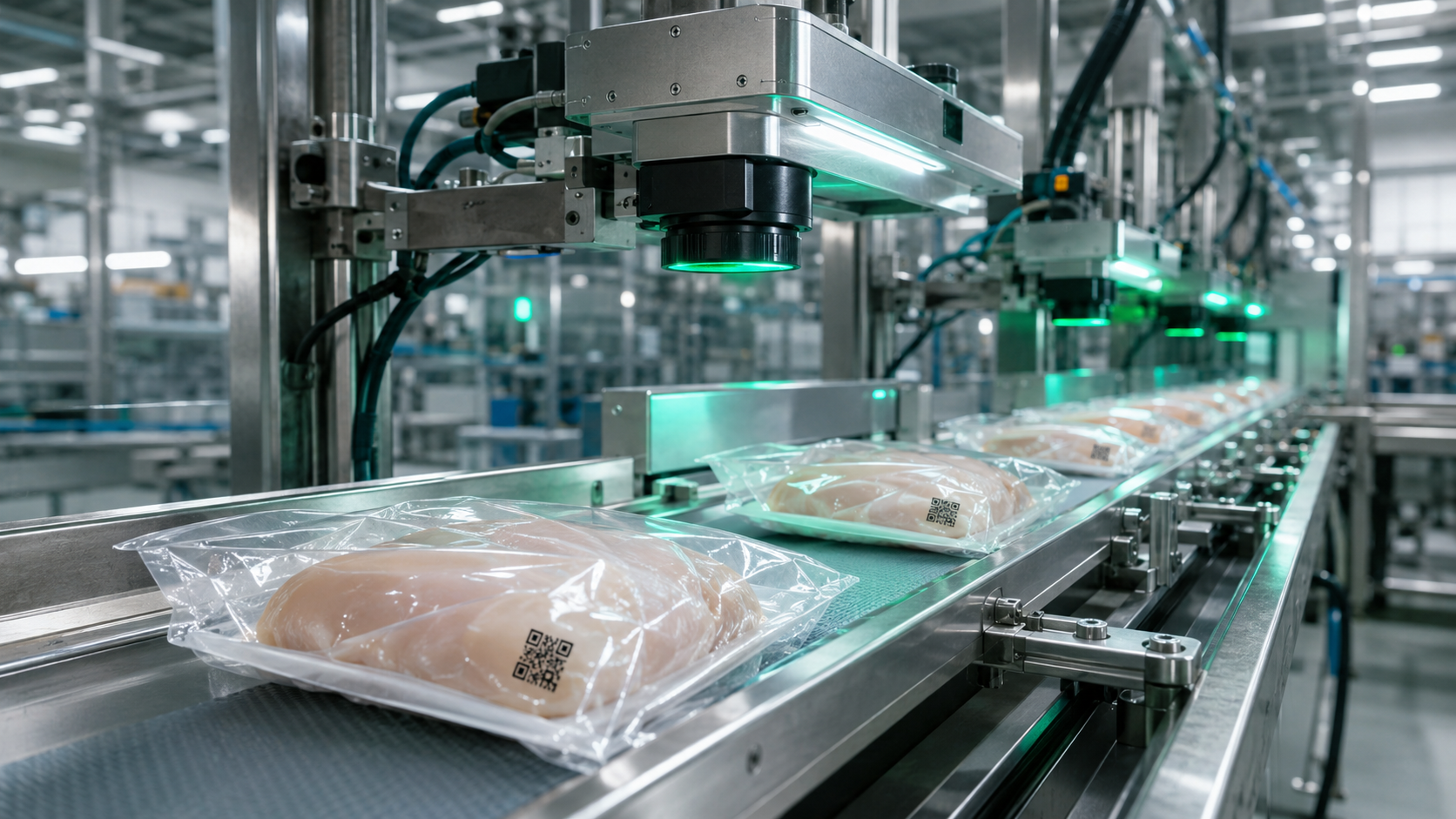
Polytag has integrated its GS1 Digital Link Smart QR Codes with Provenance’s Proof Points, allowing shoppers to reach supporting information behind claims on packaged goods. The integration, reported on 17 November, connects on-pack identifiers with digital records for product and sustainability claims. Provenance distinguishes claims assessed against supplied evidence from those independently verified by an accepted third party; the QR code itself is a route to that information, not a certification.
A food or drink package can carry only limited supporting detail about sourcing, packaging content, environmental performance, and other product characteristics. The QR code allows a brand to make additional documentation available without adding the same material to a printed label. Connecting it to Provenance’s records is intended to give consumers access to the evidence behind specific claims rather than just a promotional explanation of what the manufacturer says the pack does.
GS1 Digital Link represents a product identifier within a web address, which can resolve to further information through a connected digital service. Polytag applies the standard in Smart QR Codes that can be scanned on a pack. The code must be printed to a readable quality and linked to the correct product identifier and destination. Keeping those elements aligned is especially important when one manufacturer runs different recipes, markets, packaging configurations, or versions of the same branded product.
Provenance’s framework applies different assurance routes to certifications and claims. Certifications are issued by third-party organisations; Provenance surfaces them after confirming the certifying body’s record. An evidenced claim is reviewed against supporting material submitted by a brand, while a verified claim has undergone assessment by an accepted independent specialist. Provenance states that its team does not conduct every systematic audit. Displaying these categories accurately is necessary to avoid giving a submitted-evidence claim the appearance of independently audited certification.
When a participating brand adds a Provenance Proof Point to the information linked through its packaging code, the shopper can review the stated basis for the claim. The integration does not substitute for statutory product labelling, analytical testing, or formal certification where those are necessary. Neither company has provided a first food-manufacturing customer for this particular service, a deployment volume, or figures showing how often shoppers consult the linked records.
A change in supplier, recipe, packaging material, or certification status can invalidate a claim even when the printed QR code continues to scan correctly. Manufacturers therefore need change-control procedures connecting specification approval, artwork, product identifiers, and digital claim records. Stock produced under an earlier specification may remain in distribution while updated products enter the market, making the effective date and applicable product version part of the assurance problem.
Polytag also supplies invisible ultraviolet tags that can be detected at equipped recycling facilities to help measure packaging recovery. Its Scottish detection installation concerns physical packaging flows and recovery data, while the Provenance integration concerns the documentation shown when someone scans a visible code. The two systems can contribute different information about packaging, but the announcement does not establish that they have been joined into a single traceability record for each product.
Printed packs will still need the mandatory food and consumer information required in their destination markets. Additional claims accessed through a QR code must also be accurate and kept up to date; a digital page does not remove legal responsibility for misleading statements. Packaging, regulatory, and product development teams may need a shared approval process so a change to a pack’s composition reaches both the printed artwork and the content served through the code.
Reusing a stable product identifier across print runs introduces version-control questions. A manufacturer may want a stable identifier for a product while updating its digital content; it must still ensure that the evidence and claim presented are applicable to stock already distributed. Serialised or batch-specific information can support finer differentiation where implemented, but the new partnership announcement does not establish that every participating product will receive a unique item-level record. The actual granularity will depend on the participating brand’s deployment and data architecture.
Polytag already works with industrial coding providers to apply GS1-compliant QR codes on packaging lines. Adding a connection to Provenance extends the information that those codes can present, but effective use depends on product specifications remaining aligned with current, appropriately labelled evidence. No quantified reduction in disputed claims or roll-out timetable for food manufacturers has been published.