IN Brief:
- Saputo has announced a C$600m programme to expand and modernise its dairy manufacturing network.
- Investments will target cottage cheese, cream cheese, functional beverages and other high-protein dairy products.
- Construction and equipment installation will begin during fiscal 2027 and 2028, with approximately C$140m in additional adjusted EBITDA projected at full utilisation.
Saputo has announced a C$600m investment programme to expand and modernise its dairy manufacturing network, concentrating additional production capacity in cottage cheese, cream cheese, functional beverages and other high-protein dairy products.
The Canadian dairy processor intends to deliver the investments in phases, with construction and equipment installation beginning during its 2027 and 2028 financial years. Commissioning and production increases will follow as new capacity becomes available and individual projects progress towards commercial operation.
Saputo expects the programme to contribute approximately C$140m in additional adjusted earnings before interest, taxation, depreciation and amortisation (EBITDA) once the projects reach full utilisation. The company anticipates the first financial contribution in fiscal 2029, with earnings increasing progressively during subsequent years.
The investment responds to growing demand in value-added dairy categories where Saputo says existing production capacity and supply constraints have limited further expansion. It covers several manufacturing activities rather than the construction of one additional factory.
Four priorities have been identified: increasing cottage cheese capacity, expanding functional beverages and high-protein dairy products, raising cream cheese output, and modernising existing manufacturing operations to improve flexibility, efficiency and supply reliability.
These product categories share a common dairy raw material base but involve different processing requirements. Cultured products, soft cheeses and protein-enriched beverages must be manufactured under conditions appropriate to their composition, texture, microbiological characteristics and intended shelf life.
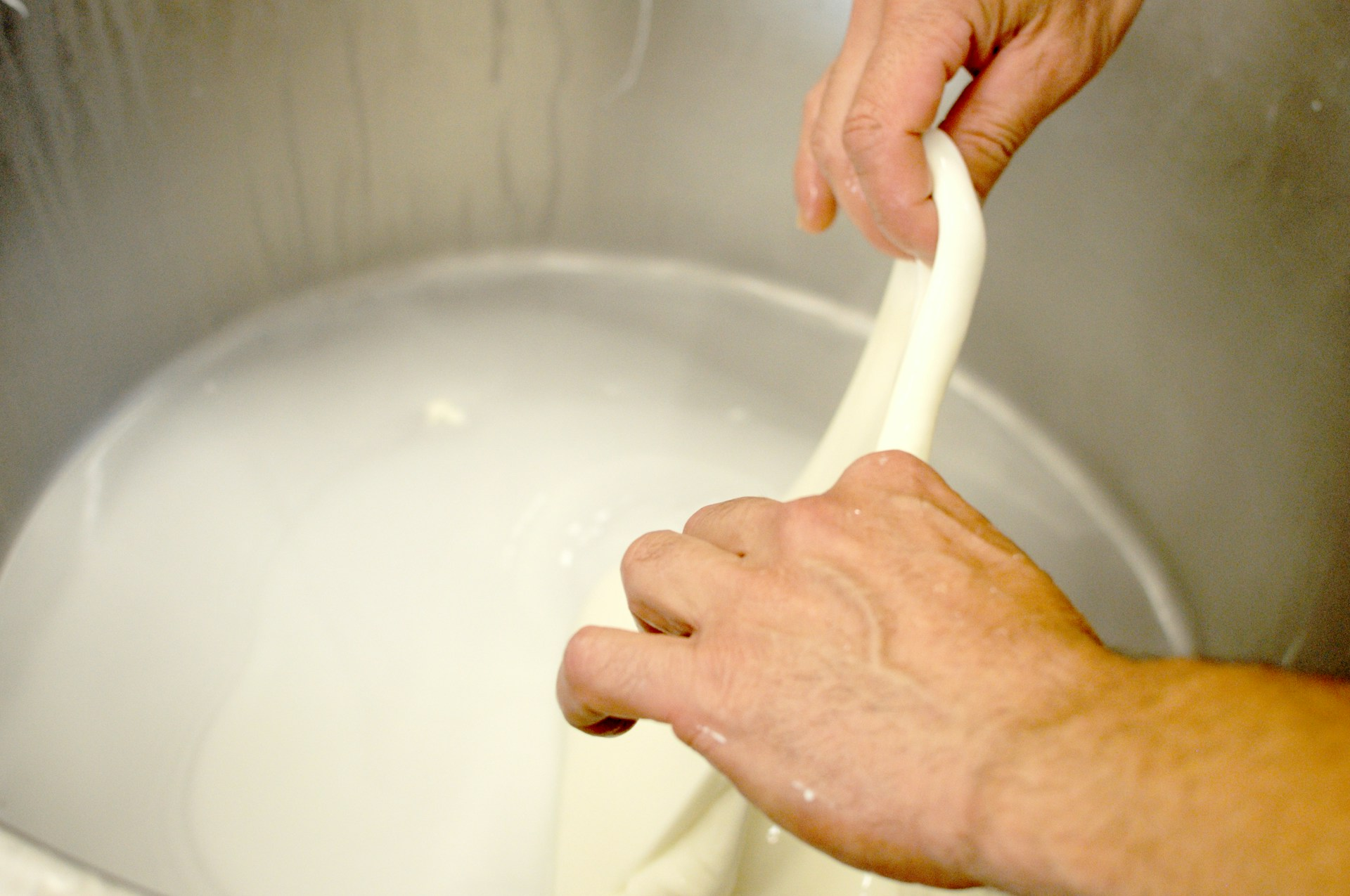
Cottage cheese production involves controlled acidification and coagulation of milk proteins, followed by curd handling and further processing. Temperature, acidity and processing conditions influence the structure of the curd and the characteristics of the finished product.
After coagulation, the process must manage curd separation, moisture content and subsequent handling without creating excessive variation in texture. Production equipment and operating conditions are selected to meet the specifications required for the particular cottage cheese formulation.
Expanding output may therefore require additional capacity across several linked stages. Increasing the volume of milk entering the process will not deliver a corresponding increase in finished product unless the curd handling, cooling, preparation and packaging operations can accommodate the additional throughput.
Cream cheese manufacturing involves different requirements for cultured dairy preparation, separation and texture development. The finished product must meet specifications concerning moisture, fat content, consistency and stability, with those characteristics influenced by formulation and processing conditions.
Equipment selection and operation must also support the product’s handling requirements. Cream cheese can behave differently from liquid dairy products during pumping, mixing and filling, making control of temperature and product consistency important to the manufacturing process.
Functional beverages and high-protein dairy formulations introduce further processing considerations. Increasing protein concentration can alter viscosity, solubility and the response of a product to heat treatment, particularly where additional dairy ingredients or concentration stages are involved.
Protein-enriched drinks may require careful management of mixing, homogenisation, heating and filling. The processing conditions must deliver the intended nutritional composition while maintaining product stability and meeting the applicable microbiological and quality requirements.
The suitability of existing equipment depends on the formulation and the operating conditions required. A production line designed for conventional liquid dairy products may need modifications or additional equipment to manufacture products with substantially different viscosity or protein content.
Changes in composition can also influence cleaning requirements. Dairy processing equipment must be maintained in a hygienic condition, while cleaning systems need to remove product residues effectively without damaging components or interrupting production for longer than necessary.
Saputo has not identified the equipment suppliers, individual processing technologies or complete factory locations included in the new investment programme. The announcement establishes the intended product categories and financial commitment but does not provide a detailed engineering specification for each project.
The company also intends to modernise parts of its existing manufacturing network. Such work can involve changes to machinery, production layouts or supporting infrastructure, although no specific equipment upgrade or quantified efficiency target has been disclosed for the November programme.
Manufacturing flexibility is important when a factory produces several product formats or serves customers with different specifications. Production schedules must accommodate equipment capacity, cleaning, maintenance, formulation changes and the availability of packaging materials.
Adding capacity can also change the requirements for raw milk and other dairy ingredients. The quantity and composition of incoming supplies must be sufficient for the intended production programme, while procurement and quality assurance systems must support the specifications of the finished products.
Higher output in one category does not automatically establish that additional raw materials will be available. Processors must balance milk allocation between different manufacturing operations, taking account of production yields, available equipment, customer contracts and the commercial returns associated with each product.
Construction and equipment installation represent only the initial stages of the announced programme. New production assets must undergo commissioning, process validation and any customer qualification required before they can contribute fully to commercial output.
Those activities can affect the timing of financial returns. A factory may have completed mechanical installation but still be operating below its intended capacity while production procedures are established and customers approve the products manufactured on the new equipment.
Saputo’s expectation of progressive earnings growth reflects that commissioning and qualification process. The projected C$140m adjusted EBITDA contribution is based on full utilisation and remains dependent on the successful completion of the investments and the achievement of expected operating performance.
The company has acknowledged that individual projects remain subject to regulatory and permitting approvals. Construction schedules, equipment costs, material availability and contractor performance are also among the assumptions underlying its financial outlook.
Demand represents a further condition. The programme assumes continued growth in cultured dairy, functional beverages and other protein-rich products, allowing Saputo to increase output as its manufacturing capacity expands.
Carl Colizza, President and Chief Executive Officer of Saputo, has linked the investment to sustained customer demand and the company’s intention to improve production capability in higher-value dairy categories.
The programme follows a period of improving financial performance. Saputo reported adjusted EBITDA of C$1.659bn and net earnings from continuing operations of C$690m for fiscal 2026, providing a reference point for the scale of the additional earnings anticipated from the planned investments.
The expected contribution must nevertheless be distinguished from an immediate increase in profits. Capital expenditure will occur over several financial periods, while the resulting manufacturing capacity will become available progressively and may initially operate below its intended output.
Customer qualification adds another constraint to the process. Industrial food customers may require evidence that products manufactured on new or modified equipment consistently meet agreed standards before allowing them to enter established supply arrangements.
Those requirements can involve product composition, microbiological quality, packaging integrity and other characteristics relevant to the intended use. Completing mechanical commissioning does not establish that every customer approval or commercial qualification has been obtained.
Saputo’s investment programme will therefore be measured through several stages: confirmation of individual factory projects, construction and installation, equipment commissioning, customer qualification, and the increase in production utilisation.
The manufacturer has not published a complete schedule allocating the C$600m between individual plants or product categories. Further announcements will be required to establish the location, manufacturing capacity and expected completion date of each installation.
With construction activity scheduled to begin during fiscal 2027 and 2028, the investment establishes a multi-year expansion programme rather than an immediate increase in dairy output. Its contribution to Saputo’s operating performance will depend on the successful introduction of new production assets and the demand available when they reach commercial capacity.