IN Brief:
- Brookfield has agreed to acquire PGP Glass from Blackstone-managed funds for $1.7 billion, subject to closing conditions and regulatory approvals.
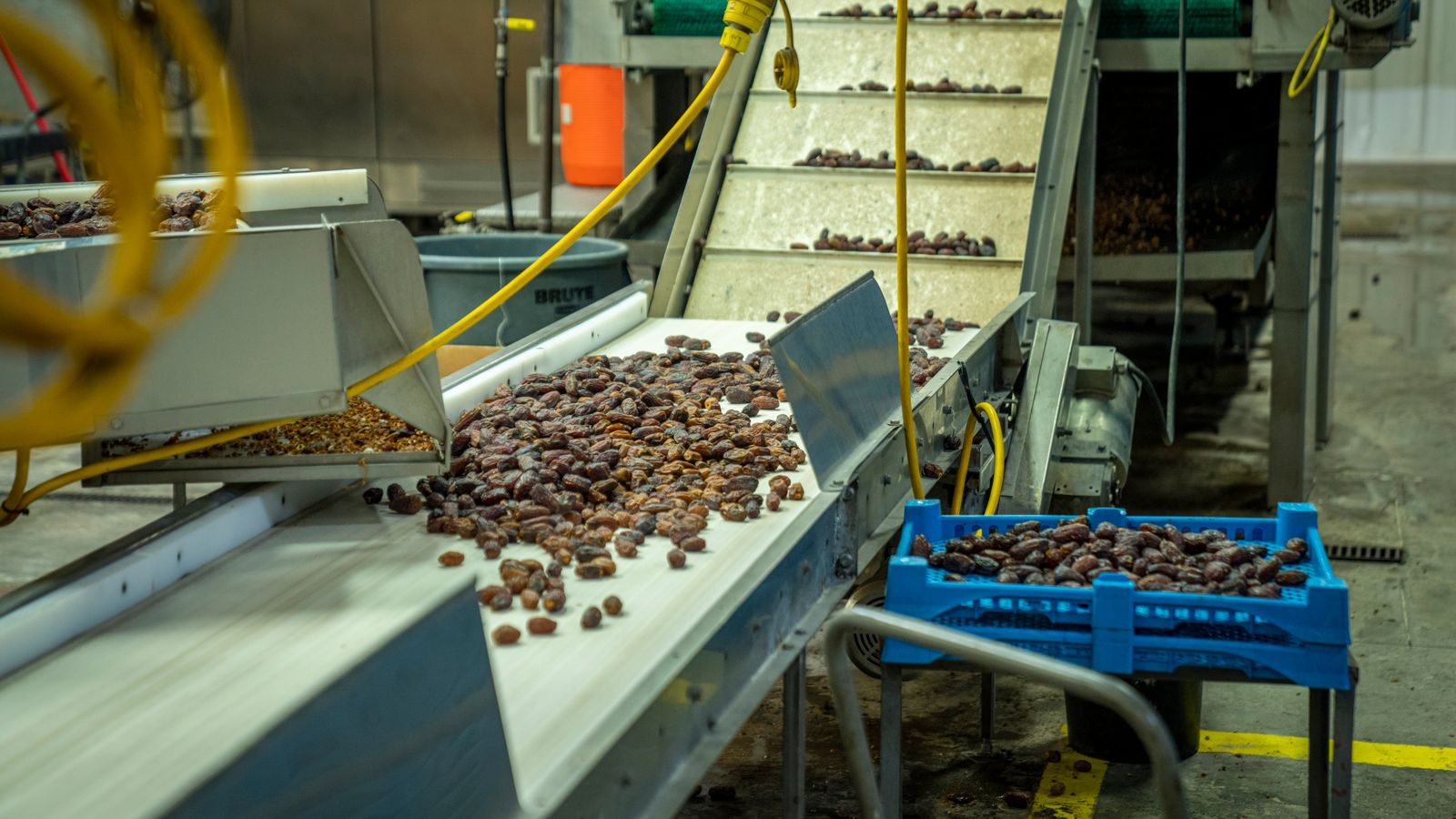
- PGP operates three manufacturing facilities in India and Sri Lanka, with 13 furnaces and more than 1,800 tonnes of daily glass production capacity.
- Brookfield plans to examine targeted manufacturing investment, capacity expansion, and AI applications in production efficiency, quality control, and planning.
Brookfield Asset Management has agreed to acquire PGP Glass from funds managed by Blackstone Private Equity in a $1.7 billion transaction, taking over a speciality glass packaging manufacturer with operations across India and Sri Lanka. The agreement was announced on 23 November 2026, with completion expected during the first quarter of 2027.
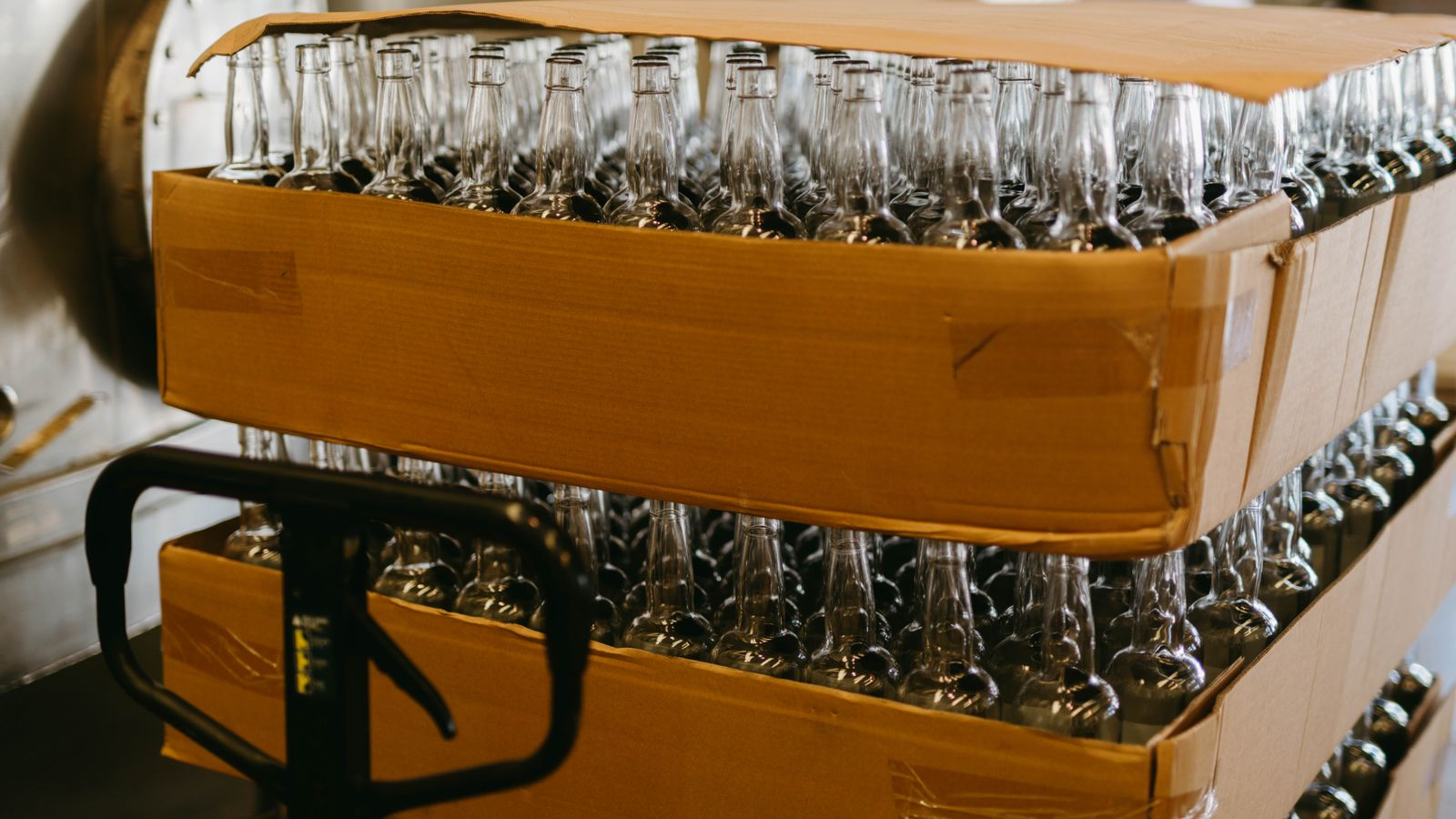
The proposed acquisition covers a business operating three manufacturing facilities, 13 furnaces, and production capacity exceeding 1,800 tonnes of glass per day. PGP supplies packaging to customers in more than 70 countries, serving food and beverage, cosmetics, perfumery, and pharmaceutical markets.
The transaction remains subject to customary closing conditions, including regulatory and government approvals. Brookfield has not yet assumed ownership of PGP, and its proposed development programme will depend on completion of the transaction.
PGP’s existing operations combine container design, mould manufacture, glass forming, decoration, and distribution. The manufacturer serves international customers requiring specialised packaging formats, including bottles and containers whose dimensions, appearance, and performance must meet defined specifications.
More than 70% of its sales are made in overseas markets, creating an operating model that combines industrial production in South Asia with international commercial and distribution arrangements. Consistency between manufacturing sites is important where customers require the same container design across several markets.
Brookfield intends to develop PGP through a combination of customer expansion, entry into additional markets, and targeted manufacturing investment. It has also identified potential applications for artificial intelligence in sales and operations planning, production efficiency, and quality control.
The company has not announced individual factory expansion projects, machinery orders, investment budgets, or implementation dates for those proposals. Nor has it confirmed the installation of new artificial intelligence systems at PGP’s production facilities.
Glass manufacturing is particularly sensitive to decisions about furnace capacity because melting operations require substantial capital investment and continuous process control. A furnace must maintain conditions suitable for producing glass of the required composition before the material can be delivered to the forming equipment.
Incoming raw materials typically include silica sand, soda ash, limestone, and appropriately prepared cullet, with the formulation determined by the intended glass composition. Controlled preparation and melting are necessary to achieve a sufficiently consistent material for downstream container production.
The molten glass must reach the forming operation at an appropriate temperature and viscosity. These properties influence how it flows into the mould and how effectively the equipment can produce the required container geometry.
Individual gobs of glass are shaped using mould assemblies, with the selected forming process depending on the container design and installed machinery. The neck finish, body dimensions, wall thickness, and base geometry must remain within the tolerances required by the customer.
Those requirements become more demanding for containers with unusual shapes or decorative features. Glass distribution within a container can influence its strength and weight, while dimensional inconsistencies may affect subsequent filling, closing, labelling, and handling.
After forming, containers pass through controlled cooling to reduce internal stresses. Additional inspection and finishing operations are used to establish whether the products meet the necessary dimensional and visual specifications.
An incomplete or poorly controlled annealing process can leave stresses that affect the container’s performance during handling or use. Suitable inspection arrangements are also needed to identify defects such as cracks, inclusions, or dimensional deviations before products are released.
Food and beverage manufacturers require packaging that performs reliably on automated production lines. Container height, neck dimensions, base stability, and overall geometry influence the way bottles and jars move through conveyors, filling equipment, cappers, and labelling machines.
Changes to container weight can affect material consumption and transport efficiency, but reduced glass thickness must remain compatible with the required mechanical performance. Packaging designs therefore need to be validated against filling conditions, distribution requirements, and the intended product.
PGP’s integrated mould-making capability provides a connection between design and production. A proposed container format can be assessed against manufacturing constraints before tooling is used for routine output, although the exact distribution of these engineering functions between its factories has not been disclosed.
Decoration provides another element of the manufacturer’s offering. Coatings, printing, or other surface treatments can create the required appearance, but these operations must remain compatible with the container’s dimensions, handling characteristics, and intended use.
The economics of the process depend on furnace utilisation, energy consumption, forming efficiency, defect rates, and the performance of downstream handling equipment. Production interruptions and quality losses can affect the output obtained from an otherwise continuously operating melting system.
Brookfield has identified manufacturing efficiency and quality control as areas for potential technology development. Data from inspection equipment, process measurements, and production systems can support investigation of quality variation, provided the information is sufficiently accurate and connected to the relevant operating conditions.
Artificial intelligence could potentially assist the analysis of such data, but its effectiveness would depend on the available measurements, equipment integration, and the operational decisions made in response. An analytical system cannot replace the physical controls required to maintain glass composition, temperature, forming accuracy, or safe equipment operation.
Sales and operations planning introduces different data requirements. Customer forecasts, product specifications, furnace schedules, mould availability, and production changeovers must be coordinated to allocate capacity across the manufacturing network.
Capacity planning is especially important where customers require specialist formats or shorter production runs. Changes between container designs can affect tooling and production arrangements, while the continuous nature of glass melting limits the ability to vary output without operational consequences.
Brookfield’s proposed acquisition also transfers ownership of a business with significant international exposure. Demand from food, beverage, pharmaceutical, and personal care customers can vary between regions, making the relationship between orders, production schedules, and export logistics an important management consideration.
Blackstone acquired its interest in the business in 2020, when PGP was operating under its former Piramal Glass identity. The company has subsequently developed its manufacturing network and international speciality packaging activities.
PGP’s existing management is expected to continue leading the company, providing continuity while the proposed ownership change proceeds. Brookfield’s investment priorities remain plans rather than confirmed production projects.
The next formal milestone is completion of the acquisition, expected in the first quarter of 2027 after the relevant approvals. PGP’s established factories, furnace capacity, and international packaging operations are the assets covered by the agreement, while any subsequent manufacturing expansion or technology deployment will require separate decisions.