IN Brief:
- ADM has opened nearly 500m² of additional laboratory space at its Heidelberg site in Germany.
- The expansion more than triples the facility's previous flavour creation area and integrates analytical sensory assessment with formulation development.
- Applications include citrus-based beverages, dairy products, reduced-sugar formulations, and low- and no-alcohol drinks.
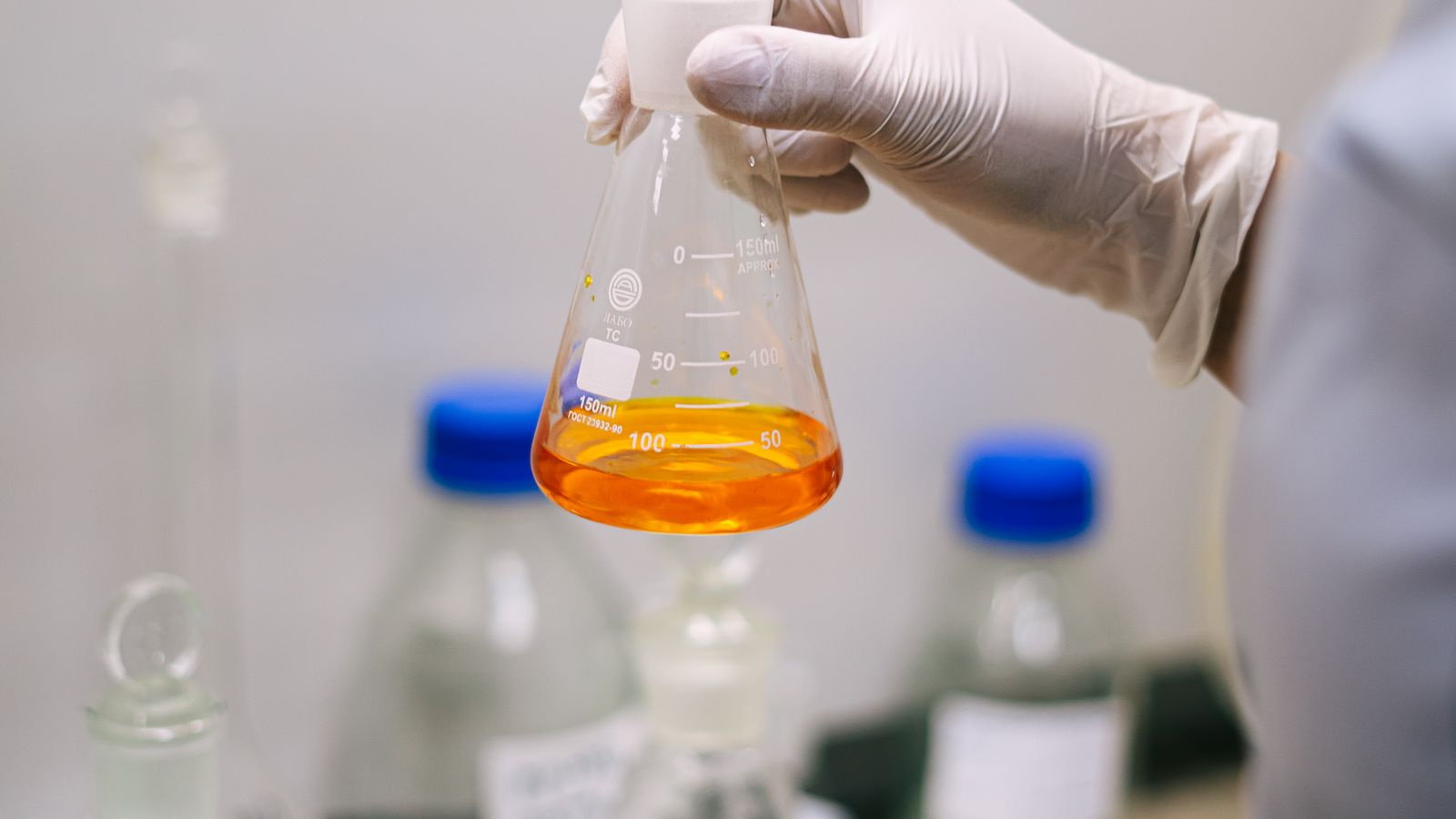
ADM has opened an expanded flavour creation laboratory in Heidelberg, Germany, adding nearly 500m² of space and more than tripling the site’s previous flavour development area. The investment brings flavour formulation, sensory science, and emulsion development into a more closely integrated facility serving food and beverage manufacturers across Europe, the Middle East, and Africa.
The expansion, confirmed on 23 November 2026, is designed to increase ADM’s regional development capabilities, particularly for beverage applications involving complex flavour systems. Its facilities include an analytical sensory room where customers can work alongside flavourists and technical specialists to evaluate prototype formulations.
Heidelberg has an established specialism in citrus flavours. The enlarged laboratory will support development using ADM’s citrus flavour components, while extending application work across soft drinks, energy drinks, juices, flavoured waters, and low- and no-alcohol beverages.
Food applications include dairy products such as ice cream and yoghurt, where flavour selection must account for the composition, texture, and processing conditions of the finished product. The investment also supports formulation work involving protein enrichment, sugar reduction, and other changes to nutritional composition.
The company has not disclosed the financial value of the Heidelberg expansion, the number of additional employees, or a projected increase in annual development projects. The announced capacity increase concerns laboratory and product development space rather than commercial production of finished ingredients.
Bringing flavour creation together with application development allows proposed compositions to be assessed in products that more closely resemble their intended commercial use. Flavour performance can change significantly when a compound moves from a laboratory solution into a beverage, dairy preparation, or other formulated food.
Citrus flavours present particular formulation challenges because many of the compounds responsible for their characteristic aroma are volatile. Their behaviour depends on concentration, the surrounding formulation, processing conditions, and exposure to oxygen or heat.
Some citrus flavour components also have limited water solubility. Beverage developers may therefore use appropriate emulsions or other delivery systems to distribute those compounds throughout an aqueous product and maintain the desired appearance and flavour characteristics during storage.
Emulsion development requires control of several interacting variables. Droplet size, stabiliser selection, ingredient concentration, and processing conditions influence the ability of a system to resist separation. The required performance depends on whether the finished beverage is clear, cloudy, carbonated, or formulated with additional functional ingredients.
A formulation that appears satisfactory immediately after mixing may behave differently during subsequent storage. Changes in temperature, acidity, or ingredient composition can affect physical stability, while volatile flavour compounds may be lost or altered during processing.
ADM’s expanded analytical and sensory facilities will allow its development teams to examine these characteristics alongside the perception of the finished product. Analytical testing can characterise particular formulation attributes, while controlled sensory assessment examines how the resulting flavour is experienced.
The two activities provide different information. Instrumental measurements can identify changes in chemical composition or selected physical properties, but they do not directly establish the balance of sweetness, acidity, bitterness, aroma, or aftertaste perceived by consumers.
Sensory assessment can reveal those differences, although its results depend on appropriate sample preparation, evaluation methods, and the intended product category. A flavour profile developed for a soft drink may require substantial adjustment before it performs satisfactorily in a protein-rich dairy beverage.
Sugar reduction illustrates the interaction between flavour and product structure. Sucrose contributes sweetness, but also influences mouthfeel and the balance of other taste characteristics. Reducing its concentration may change the perceived intensity of acidity or bitterness, even where the flavour ingredients themselves remain unchanged.
Alternative sweeteners can introduce different sweetness profiles or aftertastes, requiring developers to reconsider the surrounding flavour system. The appropriate approach depends on the ingredients permitted in the intended market, nutritional targets, processing requirements, and the sensory characteristics expected of the finished product.
Protein enrichment creates a different set of constraints. Added proteins may influence viscosity, opacity, flavour release, and physical stability, with the extent of those effects depending on the protein source, concentration, and processing conditions.
Heat treatment, acidity, and storage can further affect protein-containing formulations. Flavour systems must therefore be assessed as part of the complete product rather than selected independently of the ingredients used to meet its nutritional specification.
Low- and no-alcohol beverages also require dedicated formulation work. Alcohol contributes to the way aromatic compounds are dissolved and perceived, so reducing its concentration can change flavour balance and mouthfeel. The replacement product may need a different combination of flavour components to achieve the intended sensory result.
The Heidelberg facility will support these development activities through closer collaboration between ADM specialists and customers. Prototypes can be adjusted following analytical and sensory testing, reducing the number of unresolved formulation questions carried into subsequent manufacturing trials.
Laboratory development nevertheless remains separate from full industrial validation. A stable prototype must still be assessed under the mixing, heating, filling, packaging, and storage conditions applicable to the finished product.
Those conditions can affect both flavour retention and physical stability. Ingredients that perform satisfactorily in small laboratory batches may require adjustments when processed through larger systems with different mixing intensity, residence times, or heat transfer characteristics.
ADM’s Heidelberg expansion forms part of its wider network of flavour and food development facilities. The company has invested in regional creation and application capabilities to support customers working across different product categories and markets.
The new space increases the company’s capacity to undertake formulation and sensory work in Germany, with particular emphasis on citrus systems and beverages undergoing nutritional reformulation. Its performance will be measured through the development and validation of customer products, rather than through an announced increase in ingredient manufacturing output.