IN Brief:
- The EU prohibited plastic waste exports to non-OECD countries from 21 November 2026, including material intended for recycling.
- Exports to OECD countries remain possible under stricter controls, with independent facility audit requirements taking effect in May 2027.
- The ban increases the importance of lawful recovery routes and processing capacity for European industrial and consumer packaging waste.
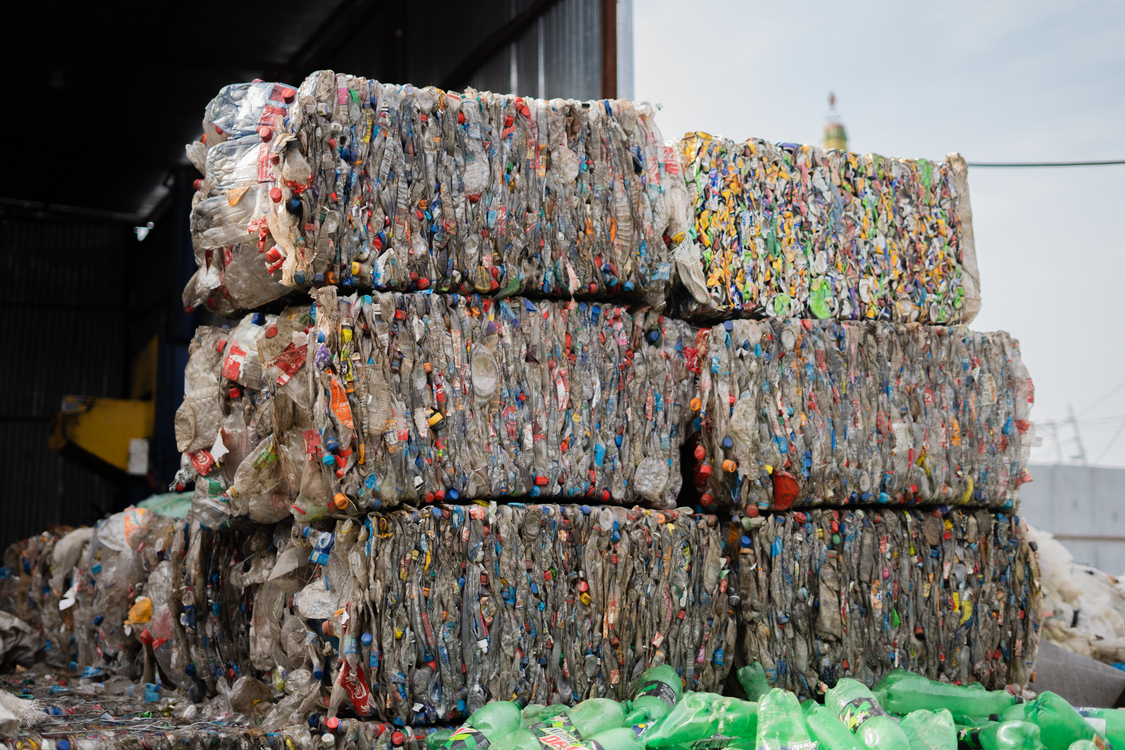
The European Union’s ban on exporting plastic waste to countries outside the Organisation for Economic Co-operation and Development took effect on 21 November 2026, removing a major international recovery route for plastics collected within the bloc. The prohibition forms part of the revised Waste Shipment Regulation and covers plastic waste regardless of whether the material has been collected for recycling.
The restriction will remain in place until at least 21 May 2029. After that date, non-OECD countries may apply to receive eligible non-hazardous plastic waste, but only where they can demonstrate that the material will be managed in an environmentally sound manner and receive the necessary authorisation.
Exports to OECD countries, including the United Kingdom and Türkiye, remain possible under the relevant shipment controls. The European Commission is monitoring these movements and can take action where the quantities exported or conditions in receiving countries raise concerns about environmental management.
The European Commission estimates that the EU generates approximately 40 million tonnes of plastic waste each year, with annual exports of between one million and 1.5 million tonnes. In 2025, roughly half of those exports went to OECD countries and the remainder to non-OECD destinations.
Türkiye received approximately 510,000 tonnes of EU plastic waste in 2025, making it the largest individual destination identified in the Commission’s figures. Malaysia received about 276,000 tonnes, Indonesia 215,000 tonnes, Vietnam 137,000 tonnes, and the United Kingdom 108,000 tonnes.
Those figures describe historic trade flows rather than the quantity of material that will necessarily require additional processing within Europe. Exporters may redirect some eligible waste to permitted destinations, while other material will need to enter recovery or disposal systems operating under the applicable rules.
The revised Waste Shipment Regulation, Regulation (EU) 2024/1157, entered into force in May 2024, with important provisions applying from May 2026. The November prohibition is a further implementation milestone within that wider legal framework.
From 21 May 2027, exporters will also face requirements for independent audits of facilities receiving relevant waste shipments. These audits are intended to establish whether the receiving operations manage the material in an environmentally sound manner.
A separate change is scheduled for the same date: the EU will generally stop exporting other categories of waste to non-OECD countries unless a qualifying destination has obtained authorisation for eligible material. The restrictions therefore extend beyond plastics, although the November 2026 prohibition is already in force for that waste stream.
The rules distinguish between hazardous plastic waste, difficult-to-recycle material, and cleaner waste streams with established recovery applications. Classification determines the procedures applicable to shipments, including whether prior notification and consent are required.
Clean, non-hazardous plastic waste destined for recycling is not automatically exempt from controls simply because it has a potential secondary use. Exporters must establish the relevant waste classification, destination, treatment route, and documentation required by the regulation.
The prohibition affects the wider packaging value chain because food and beverage manufacturers use substantial quantities of plastics in bottles, trays, films, pouches, closures, and transit packaging. The materials have different processing characteristics and cannot all be recovered through the same recycling system.
Polyethylene terephthalate, commonly used for beverage bottles and some food trays, is normally sorted by polymer type before undergoing an appropriate recycling process. Collection quality, contaminants, colour, and the intended use of the recovered material influence how the resulting output can be marketed.
Polyethylene and polypropylene are widely used in films, rigid containers, and industrial packaging. Their recycling requirements vary with the form of the collected material, the presence of other polymers, coatings or additives, and the characteristics required by the downstream converter.
Multi-material structures can create further difficulties. A packaging laminate designed to combine moisture, oxygen, and mechanical barriers may contain layers that cannot readily be separated during conventional mechanical recycling.
Food residues, printing inks, adhesives, and incompatible polymers can also reduce the quality of recovered material. Sorting and preparation therefore determine whether collected packaging can become suitable feedstock for a particular recycling process.
Industrial film and flexible intermediate bulk containers may enter different recovery streams from household packaging. Although these materials are often collected in relatively concentrated quantities, their suitability for recycling still depends on contamination, composition, and the availability of processing capacity.
Recovering more material within Europe requires functioning markets as well as physical recycling facilities. Reprocessors need feedstock meeting suitable specifications, while manufacturers require recycled polymers with predictable characteristics for extrusion, moulding, and other converting processes.
The economics of mechanical recycling are influenced by energy costs, labour, transport, washing requirements, equipment utilisation, and the price at which recovered polymer can be sold. A restriction on exports does not by itself guarantee that additional European recycling capacity will become commercially viable.
Packaging design also affects the quality of the available waste stream. Material combinations, colour, labels, closures, and the ease with which components can be separated influence collection and recycling performance.
Recycled plastics intended for food-contact applications face additional restrictions. The suitability of a recovered polymer for general manufacturing does not establish that it can be used in packaging that directly contacts food.
Food-contact compliance depends on the material, its source, the recycling process, and the applicable safety requirements. Waste shipment legislation determines how the material may move between jurisdictions, while separate food-contact rules govern whether the recycled output may be used for particular packaging applications.
The distinction is reflected in other recent European regulatory developments. Changes to recycled food packaging compliance requirements concern the conditions under which materials may contact food, rather than the export destinations available for plastic waste.
The Commission has identified stronger European recycling markets and additional investment in processing infrastructure among its wider policy objectives. Whether the export ban increases domestic recycling output will depend on collection quality, available capacity, the cost of processing, and demand for suitable recycled materials.
The next implementation milestone arrives on 21 May 2027, when additional export controls and independent facility audit requirements begin to apply. The prohibition on plastic waste exports to non-OECD countries will remain in force beyond that date, with any future relaxation dependent on the authorisation arrangements established for May 2029 onwards.