IN Brief:
- SPAR is investing more than €22 million in additional poultry and convenience food manufacturing areas at St Pölten.
- The project will increase employment at the TANN facility from approximately 230 to 270 people.
- Construction reached its topping-out milestone in November 2026, with the new production areas expected to operate from autumn 2027.
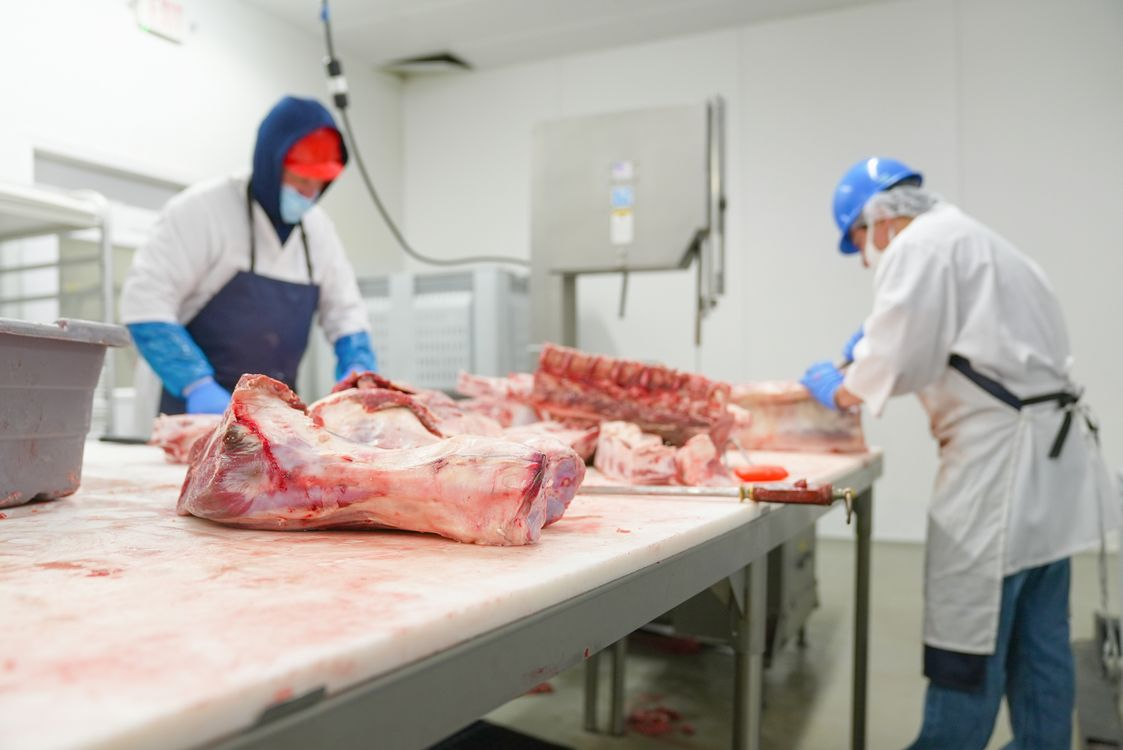
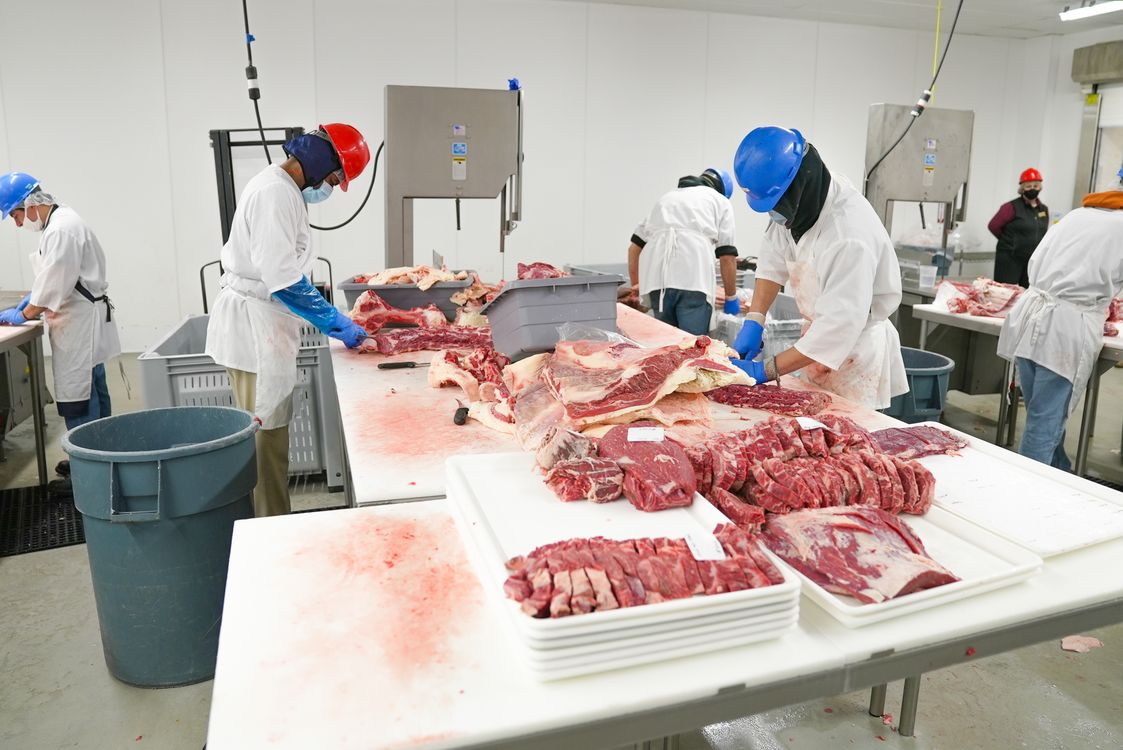
SPAR Austria is investing more than €22 million to expand its TANN meat processing factory at St Pölten, adding manufacturing areas for poultry and convenience food products. The development is expected to create 40 jobs, increasing employment at the Austrian facility from approximately 230 to 270 people.
Construction reached its topping-out milestone in November 2026, with production in the new areas scheduled to begin in autumn 2027. The project will extend an established food manufacturing operation that already produces meat, sausage products, prepared foods, and plant-based alternatives for SPAR’s retail business.
The company confirmed the latest construction milestone on 20 November. Its investment responds to demand for poultry and convenience products, two categories that will receive additional production space within the enlarged facility.
TANN has operated as a meat and sausage producer for decades, but its product range has expanded considerably in recent years. The St Pölten factory now combines conventional meat processing with prepared foods and plant-based product manufacture.
The site has been producing meat alternatives since 2022, following investment in dedicated machinery and production areas. SPAR previously committed approximately €3 million to support that product development, including separate manufacturing facilities for plant-based alternatives.
The latest €22 million expansion has a different focus. Rather than increasing capacity exclusively for meat substitutes, the new production areas will support poultry and convenience food manufacturing alongside the factory’s established operations.
SPAR has not disclosed the additional annual production capacity, detailed factory layout, individual machinery suppliers, or equipment installation programme. Those details will determine how much manufacturing output the investment can accommodate when the new sections are commissioned.
Poultry processing places particular demands on the design and operation of production areas because raw products require controlled handling, effective hygiene arrangements, and appropriate refrigeration. Equipment layout must allow material to move through preparation and processing stages while limiting unnecessary contact between products, personnel, and potentially contaminated surfaces.
The relevant controls depend on which activities are undertaken at the facility. Raw poultry preparation, portioning, cooking, cooling, and packing involve different requirements, and an expansion intended to support several finished-product formats must accommodate those distinctions.
Temperature management remains important throughout chilled meat processing. Refrigeration capacity must match the product volume and thermal load presented by the production operation, while storage and handling procedures must prevent excessive temperature exposure before dispatch.
Where products undergo cooking, the process must be validated for the relevant food safety objective. The required treatment depends on the product and identified hazards, with monitoring and verification needed to establish whether the specified conditions have been achieved.
Cooling cooked products introduces a separate set of controls. Equipment capacity, product dimensions, loading conditions, and the speed of heat removal influence how quickly material can be transferred to the next manufacturing stage.
A facility combining raw and cooked products must also manage the relationship between hygienic production zones. Appropriate separation, controlled personnel movement, cleaning procedures, and equipment design can reduce the risk of introducing contamination after a validated cooking operation.
SPAR has not identified whether the St Pölten extension will include new cooking lines, automated portioning systems, dedicated chilling equipment, or particular packaging technologies. These remain engineering requirements that depend on the final product mix rather than confirmed specifications of the project.
Convenience food production introduces additional considerations because finished products may contain several ingredients processed under different conditions. Preparation, ingredient dosing, mixing, cooking, assembly, and packing must be coordinated to maintain the required composition and product quality.
Where recipes contain allergens or components with different hygiene requirements, production planning and cleaning arrangements must account for those characteristics. Product changeovers may require validated cleaning steps, while ingredient and batch records must provide suitable traceability.
Packaging equipment must also match the characteristics of the finished product. Chilled meat and prepared foods can differ in moisture content, package shape, shelf-life requirements, and the atmosphere or sealing conditions used to preserve product quality.
The overall output of a processing line depends on the relationship between its individual stages. Additional preparation equipment will not provide the expected increase in capacity if downstream cooling, inspection, packing, or refrigerated storage cannot accommodate the resulting product flow.
The expansion will therefore require integration with TANN’s existing manufacturing and distribution operations. Incoming raw materials, ingredients, packaging supplies, and finished goods must move through the site without disrupting established production or compromising hygiene arrangements.
SPAR’s vertically integrated retail and manufacturing structure provides a direct connection between product development, factory production, and store supply. Manufacturing schedules can be planned around the retailer’s product requirements, although the company has not disclosed the expected distribution volumes arising from the new extension.
The investment also continues the diversification of the St Pölten operation. TANN’s earlier development of plant-based alternatives established additional production skills and product categories, while its new commitment concentrates on strengthening poultry and prepared food capacity.
Employment is expected to increase by approximately 17% at the facility once the additional 40 positions are filled. SPAR has not published a detailed breakdown of production, engineering, technical, quality assurance, and management roles associated with the expansion.
The November topping-out milestone indicates progress in the building programme but does not establish that the new manufacturing areas are ready for operation. Machinery installation, utility connections, commissioning, and the necessary production and food safety validation must be completed before routine manufacturing can begin.
SPAR expects the new poultry and convenience food areas to start operating in autumn 2027. Until then, the confirmed commitments are the construction project, investment exceeding €22 million, additional production space, and planned increase in employment.
The expansion will add further manufacturing capability to an established Austrian food production site, with the final capacity and equipment configuration becoming clearer as the project moves towards commissioning.