IN Brief:
- The Sas van Gent plant has struggled to achieve its intended periods of uninterrupted operation.
- Shareholder financing is supporting restructuring while the company evaluates its manufacturing assets.
- The strategic options include a sale, a partner, or alternative uses for the facility.
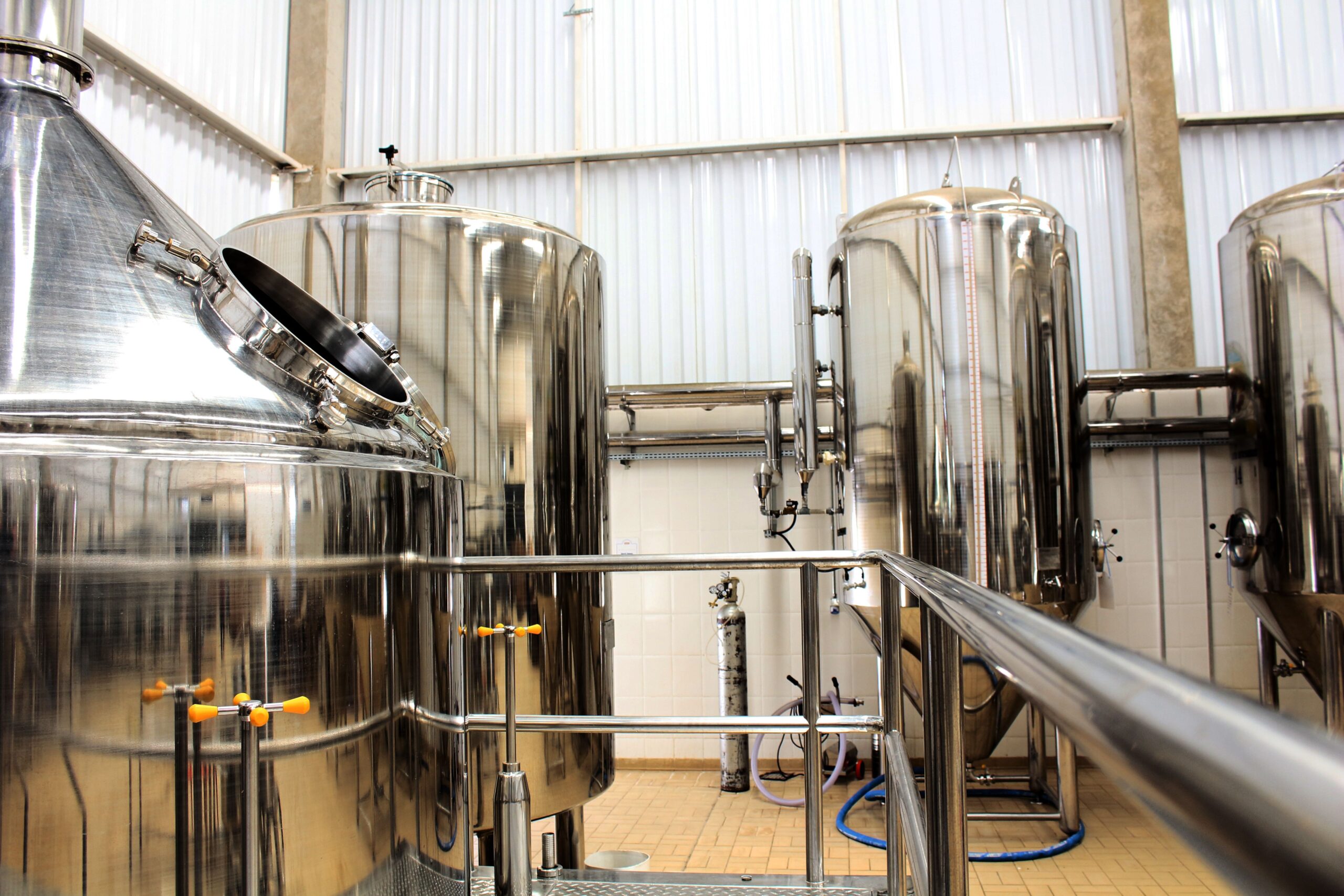
Mycoprotein producer ENOUGH has detailed the difficulties maintaining continuous industrial fermentation at its Sas van Gent factory in the Netherlands, where the company is evaluating a potential sale, manufacturing partnership, or alternative use of its production assets.
Co-founder and non-executive director Jim Laird disclosed that the facility had failed to achieve its intended operating capacity after approximately three years of production difficulties. The company struggled to sustain the targeted duration of uninterrupted fermentation, with maintaining sterile conditions over extended production runs proving particularly difficult.
Existing investors have provided further financing to support restructuring and give the company time to assess its options. Laird said a charge registered in favour of shareholder MLC 50 LP Inc at Companies House relates to security for those financing arrangements.
ENOUGH had already decided in March 2026 to reduce overheads and restructure its business, and was already considering options for the manufacturing assets by June.
The Sas van Gent facility was developed to produce ABUNDA, a mycoprotein ingredient made by cultivating fungal biomass. ENOUGH is based alongside Cargill's starch manufacturing operations, a location selected to integrate access to the agricultural feedstock required for fermentation with the infrastructure needed for industrial processing.
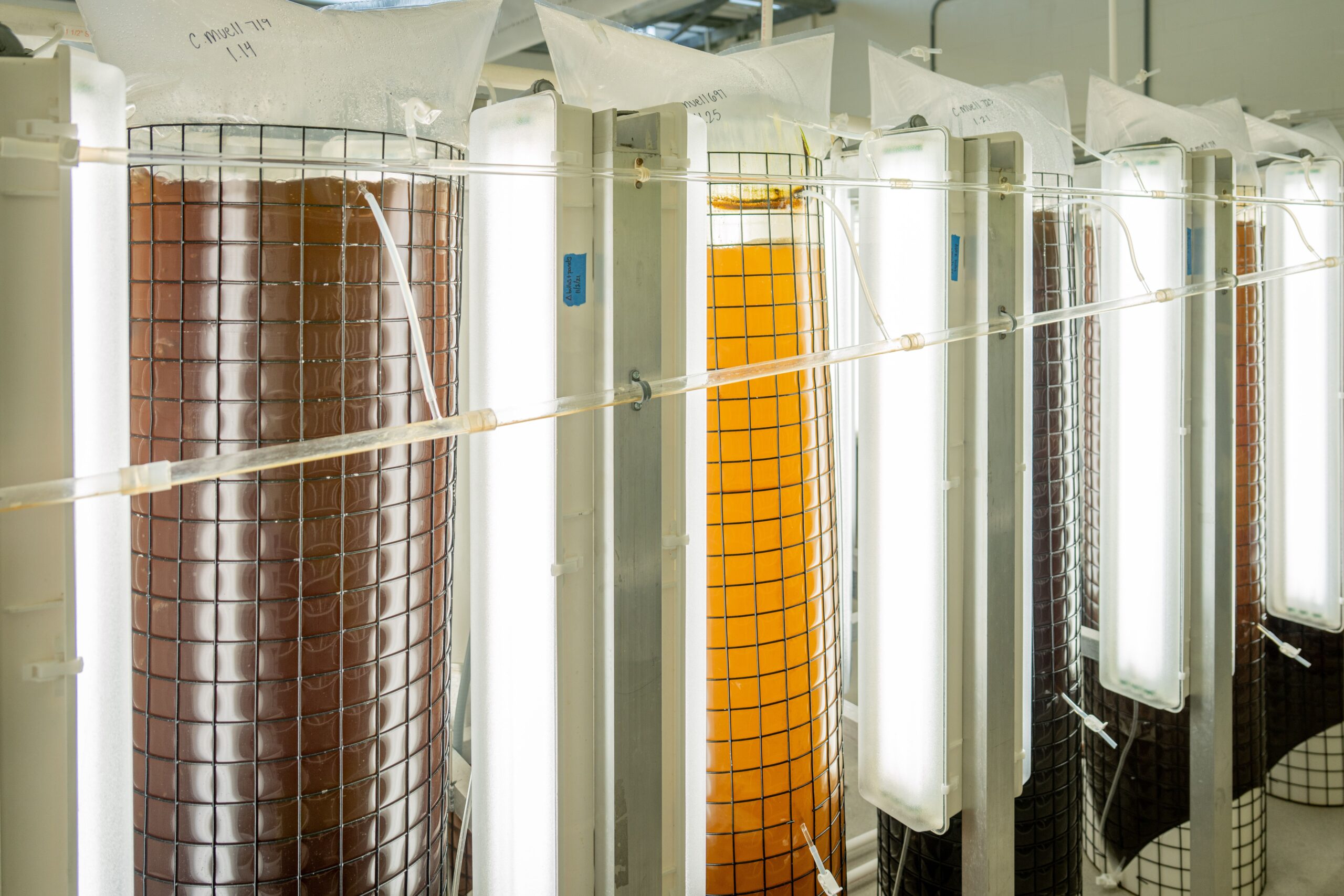
The manufacturing process uses Fusarium venenatum, a filamentous fungus that grows in a liquid medium containing nutrients. The organism converts the available substrate into biomass, which can be recovered and processed into a food ingredient. Unlike conventional fermentation processes in which the desired product is secreted by microorganisms into a liquid, the fungal material itself forms the principal output.
Maintaining continuous production involves supplying nutrients and withdrawing biomass during operation, while controlling conditions within the reactor to sustain growth. Interrupting the process changes the economics of the plant because equipment must be returned to suitable hygienic conditions and the biological system re-established before saleable production can resume.
The volume of material produced during the productive phase is only one component of annual capacity. A facility designed to operate for extended periods must also achieve a sufficient proportion of operating hours under stable conditions. If productive campaigns end prematurely, the annual output of the installation can fall even if its instantaneous production rate meets design assumptions.
The cause of an interruption can arise anywhere within the sterile process boundary. Nutrient feeds, process air, transfer pipework, valves, seals, and instrumentation all require suitable design and operating procedures to prevent unwanted organisms entering the fermentation system. Once contamination occurs, microorganisms can compete for nutrients, alter process conditions, or compromise the safety and consistency of the biomass.
ENOUGH has not identified the individual equipment components or contamination mechanisms responsible for the difficulties at Sas van Gent. Its account identifies sustained sterility as a major challenge, but does not establish whether a specific mechanical fault, cleaning procedure, or operating parameter was responsible for the interruptions.
The costs of restarting a fermentation process can extend beyond the product lost during an affected run. Cleaning and sterilisation consume water, heat, and chemicals, while preparation of the next production campaign occupies equipment and requires labour. The associated reduction in production time also increases the share of fixed manufacturing costs allocated to each tonne of saleable biomass.
Sweco, which worked on the development of the facility, originally described plans for substantial expansion of its production capacity by 2027. Those plans preceded the operational difficulties now disclosed by the company and should not be treated as current production forecasts.
Further European projects are continuing to develop manufacturing systems for fungal proteins. Work on the Myco4Food reactor project has included engineering intended specifically for fungal fermentation, while Danish manufacturer MATR Foods has opened industrial fermentation capacity for its own food products. Each approach must be evaluated against the organism, process design, and manufacturing economics associated with its intended application.
The existing equipment at Sas van Gent could potentially support another manufacturing process, although its suitability would depend on the required operating conditions and the configuration of the downstream recovery systems. A different organism or feedstock could necessitate changes to the reactor, cleaning systems, nutrient preparation, or material recovery equipment.
Any sale or partnership would also need to account for the plant's proximity to Cargill and the infrastructure on which its original production model was based. Repurposing the assets may require a different commercial arrangement for raw materials and utilities.
The company has not confirmed a purchaser, manufacturing partner, or revised production plan. The restructuring financing is intended to provide time to assess those options, while the disclosed operating difficulties establish the industrial constraints that any continued use of the facility will need to address.