IN Brief:
- Aldi will invest £1.1 billion in British egg production over five years through supply agreements running to 2030.
- The retailer says it sells more than 1,500 tonnes of British eggs each week, or around 2.5 million packs.
- Longer-duration supply contracts are becoming more common as producers seek clearer investment signals across agriculture and food manufacturing.
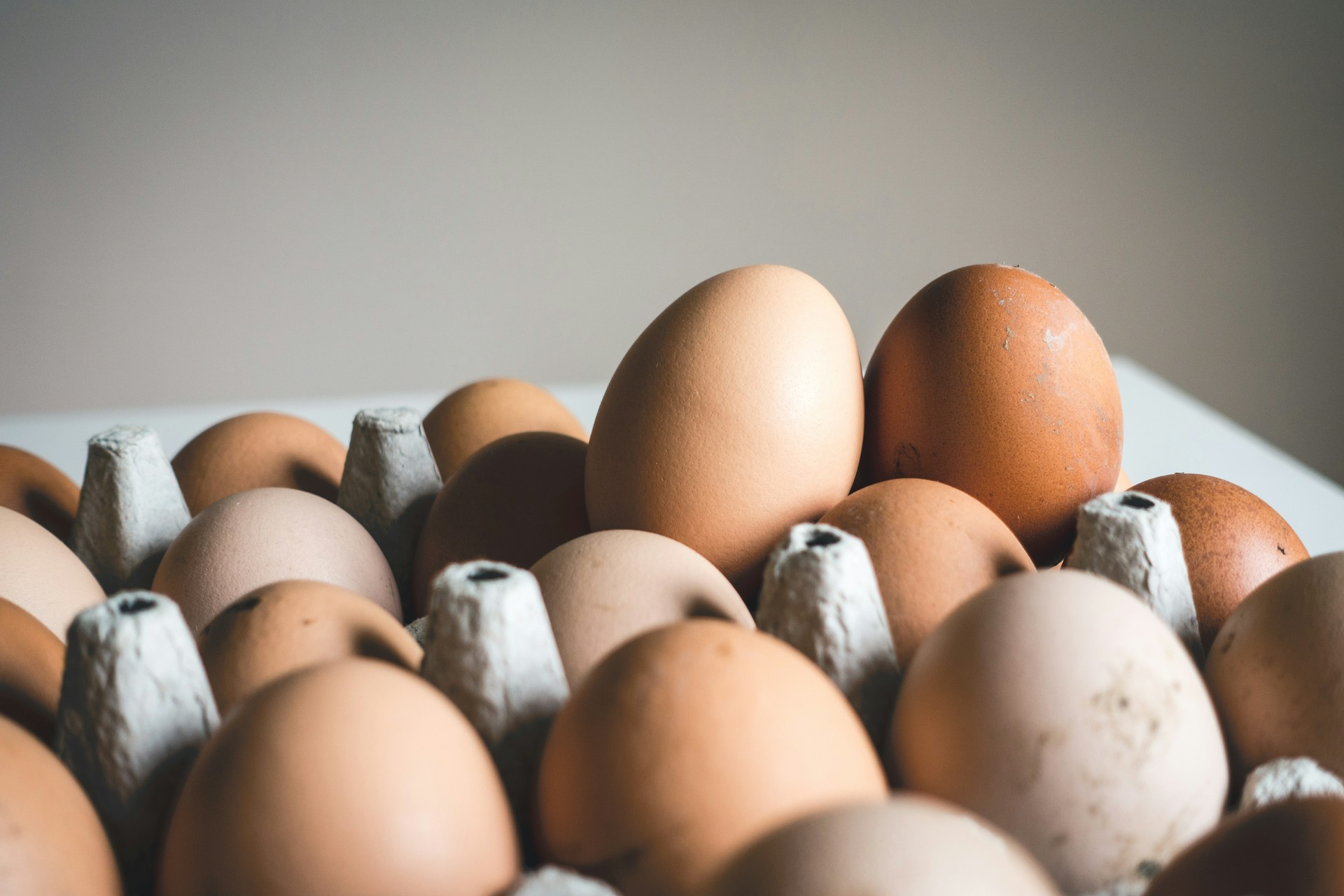
Aldi has committed £1.1 billion to British egg production over the next five years, extending supplier agreements through to 2030 in a move designed to support continuity across the UK egg supply chain. The retailer says it currently sells more than 1,500 tonnes of British eggs each week, equivalent to around 2.5 million packs, and ranks as the UK’s second-largest retailer by free-range egg volume.
The new agreements are intended to give producers longer visibility over volume and demand, allowing them to plan investment in housing, flock management, welfare improvements, and operational efficiency with greater confidence. Aldi has also tied the move to its wider domestic sourcing strategy. The retailer says it is working to secure at least 50% of its produce supply through long-term agreements by the end of 2027 and has been using similar arrangements in parts of its fresh supply base.
Egg production has been under sustained pressure in recent years as feed, energy, labour, and housing costs have remained volatile while welfare expectations have continued to rise. Producers have had to absorb a combination of input inflation and compliance demands while maintaining output and service levels. In that environment, shorter-term pricing and buying models have offered limited certainty for capital decisions that often take years to recover.
Longer supply agreements do not remove those pressures, but they do change the investment environment. Layer housing, grading systems, packhouse improvements, and other supply chain assets are not built around short windows of visibility. A longer contract period helps producers judge whether expansion, refurbishment, or efficiency upgrades are commercially sustainable. That can support continuity well beyond the farm itself, given the links between egg supply, packing operations, chilled distribution, and ingredient availability for food manufacturing.
The announcement also fits the broader direction of travel in protein sourcing. Retailers and food businesses are being pushed to show greater stability in domestic supply, while producers are asking for relationships that better reflect the cost and complexity of maintaining output. Eggs sit at the centre of that discussion because they move through both shell-egg and processed-food markets, making supply continuity relevant to retailers, processors, bakers, and prepared food manufacturers alike.
Aldi says all shell eggs in its own-label range are cage-free and free range, and that from the start of 2026 all eggs used as ingredients in its own-label products have also come from cage-free hens. That adds a longer-term welfare dimension to the supply agreement, reinforcing the extent to which sourcing standards now shape production planning.
For British agriculture, the announcement is another sign that procurement structure is becoming more important in its own right. Price remains central, but so do duration, forecasting, and the practical conditions attached to supply. Egg production is a category where those details can influence resilience as much as the headline contract value.