IN Brief:
- Ardagh Metal Packaging is planning one additional beverage can line in the UK and another in Spain.
- European beverage can shipments grew by 6% year on year in the third quarter of 2026.
- The company has not specified the individual plants, project expenditure or commissioning timetable.
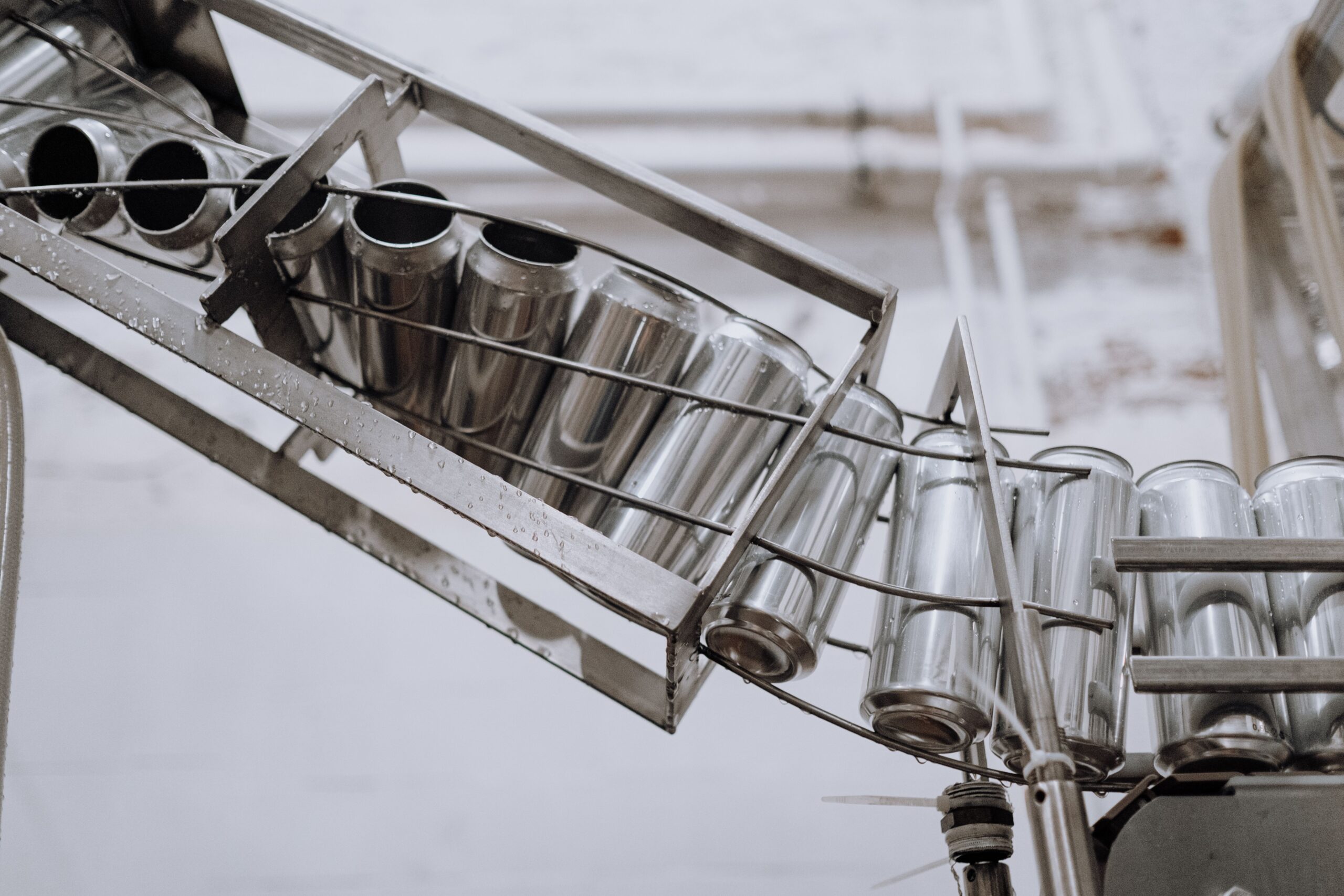
Ardagh Metal Packaging is accelerating its European investment programme with plans to install two additional beverage can production lines at existing facilities in Britain and Spain. The decision follows continued growth in European shipments during the third quarter of 2026, when volumes increased by 6% compared with the corresponding period last year.
The Luxembourg-headquartered packaging producer disclosed the investment plans alongside results for the three months ended 30 September. Chief executive Oliver Graham said the business was expanding its previously outlined programme to respond to demand from beverage customers, including the continuing use of cans across established and speciality product categories. Neither the individual manufacturing sites nor the expected commissioning dates were identified in the results statement.
For beverage producers, a new can line can have consequences beyond the immediate increase in available containers. Filling operations need reliable access to formats that match their equipment, planned product mixes and seasonal sales patterns. Capacity added within an established packaging factory can also make use of existing services and distribution connections, although Ardagh has not specified what infrastructure changes will accompany these projects.
The company’s performance showed a clear regional difference. Global beverage can shipments rose 2% year on year, with European growth partly offset by a 1% decline in the Americas. North American shipments fell by 1%, which Ardagh described as an improvement from the preceding quarter, while Brazilian shipments declined by 5%. The contrasts help explain why the company’s latest expansion is directed towards Europe rather than presented as a group-wide manufacturing programme.
Ardagh reported adjusted earnings before interest, tax, depreciation and amortisation of $213 million for the third quarter, an increase of 2% on the previous year and ahead of its guidance range of $200 million to $210 million. In Europe, adjusted EBITDA grew 11% to $91 million. The company attributed the regional performance principally to stronger shipments and the recovery of input costs, partially offset by operational and overhead expenses and an accounting effect associated with contract assets.
Management said continuing customer interest in speciality beverage cans in North America had supported the Americas business despite contract resets and weaker overall volumes. In Europe, plans for two additional production lines provide a more direct indication of expected capacity requirements. Both lines are intended for existing facilities rather than new stand-alone factories, although the proposed level of capital expenditure has yet to be detailed.
The investment should also be distinguished from the separate capacity review under way in Ardagh’s glass packaging operations. That business is consulting over the possible closure of furnaces in Britain and Denmark after reporting subdued demand. The metal and glass decisions reflect different product markets and manufacturing conditions and should not be treated as contradictory descriptions of a single European packaging operation.
For drinks manufacturers choosing between packaging formats, security of supply depends on usable regional capacity and the compatibility of containers with filling and handling lines. A stated increase in beverage can demand does not, by itself, establish a shift by any specific customer from glass or plastic, and Ardagh has not identified the brands or contracts underpinning the new investments.
The company has not yet identified the selected UK and Spanish factories, line specifications, capital expenditure or production dates. The projects remain at planning stage, with no evidence that additional output is already available to beverage manufacturers.
The balance between standard and speciality cans is also pertinent to the equipment choices facing beverage fillers. A supplier may be able to produce several container sizes, but a filling operation must still validate handling, closure and decoration requirements for its own packaging. Ardagh cited demand for speciality cans in North America, without allocating the forthcoming European investment to a particular diameter, volume or product segment. It would therefore be premature to treat the new lines as dedicated to any one drinks category.
The company’s results present shipment growth and adjusted operating earnings rather than a detailed capital budget for the new lines. Neither metric is a direct measure of the cost of adding equipment or of future output. The relevant investment case will depend on customer contracts, manufacturing costs and the commercial value of additional capacity. Ardagh’s statement indicates confidence in European demand but leaves those project-level assumptions undisclosed.