IN Brief:
- Flexible packs from Mondelēz, Ferrero, PepsiCo, and pladis are carrying invisible digital watermarks in Belgium.
- Sorting equipment will use the codes to separate food packaging from non-food flexible plastics.
- The trial is intended to support future production of recycled material suitable for new food packaging.
Fost Plus has begun a large-scale Belgian trial using invisible digital watermarks to separate flexible food packaging from similar plastics previously used for non-food products.
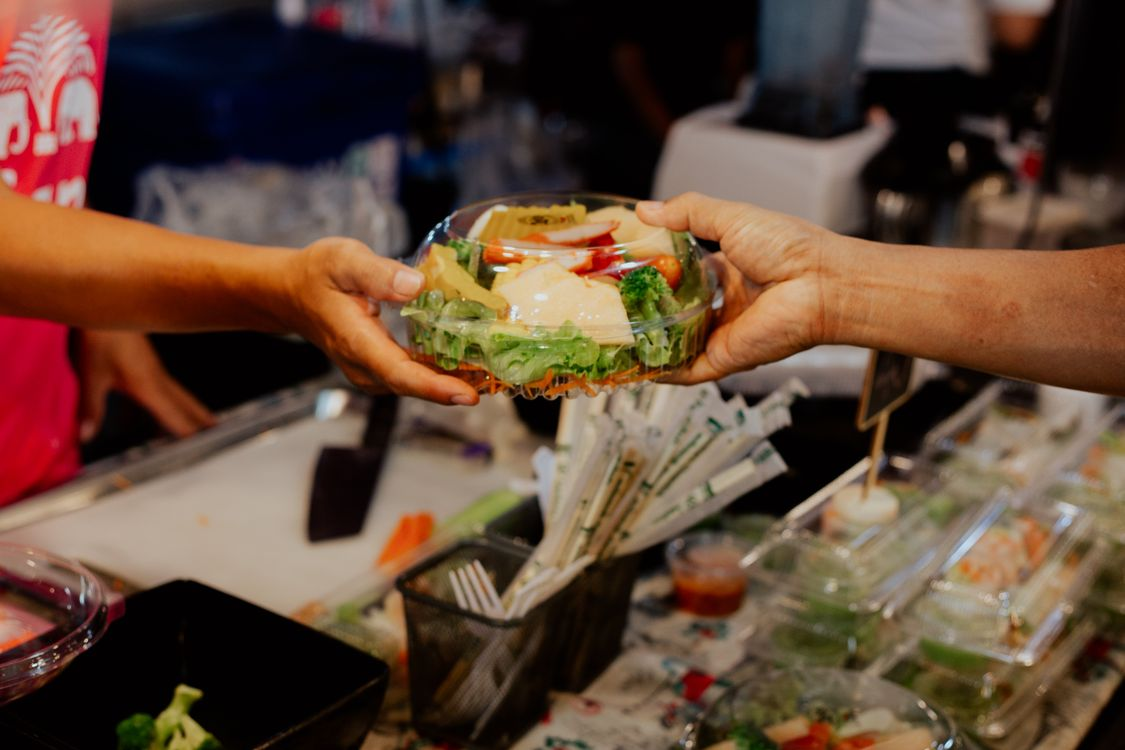
Mondelēz International, Ferrero, PepsiCo, and pladis are placing marked crisp bags, biscuit wrappers, pouches, and films into the Belgian market. Consumers use and discard the packs through the existing PMD collection system, allowing the technology to be assessed against genuine post-consumer material rather than clean laboratory samples.
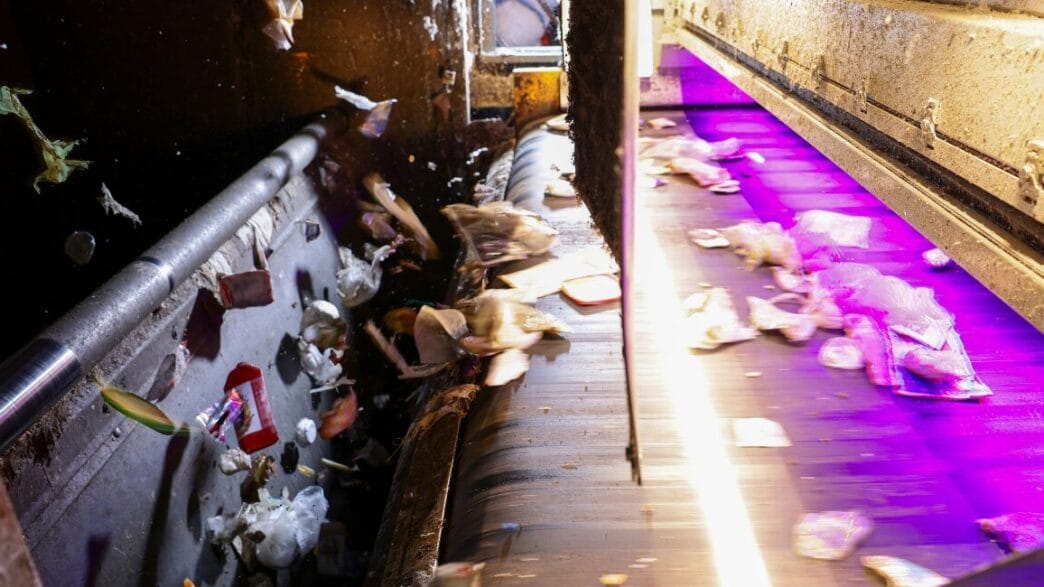
Repeated across the packaging surface, each watermark functions as a machine-readable code that remains invisible during normal use. High-resolution cameras installed on sorting equipment can identify the code before directing the pack into a dedicated material stream.
Current optical sorting systems can distinguish broad polymer, colour, and shape categories, although they do not consistently retain information about the product originally held by the packaging. Food films can consequently enter the same stream as packs used for detergents, toiletries, or other non-food products.
Sorting quality constrains circular food packaging
Recycled material intended for food contact applications must meet strict safety requirements, making the quality and history of the incoming waste stream central to its future use. Recyclers need confidence that collected material has not contained substances that could prevent its return to a food pack.
PET bottle recycling has benefited from comparatively mature closed-loop collection because most bottles entering the stream previously held drinks. Flexible polypropylene and polyethylene packaging is considerably more complicated, with food and non-food films commonly collected together before arriving creased, damaged, soiled, or partly obscured.
The Belgian programme forms part of the HolyGrail 2030 Circular Packaging Initiative and uses technology developed by Digimarc and Pellenc ST. Collected packs will be sent to Hündgen Entsorgung in Germany, where specialist equipment will read the watermarks and create a more tightly defined flexible food packaging fraction.
Recycling trials are due to begin before the end of 2026, with purity, consistency, throughput, and recoverable volume forming the central measures of success. Commercial sorting centres cannot sacrifice line speed or overall yield merely to create a technically cleaner fraction.
Real-world collection places substantial demands on the code and detection system, since watermarks must remain readable after packs have been folded, scratched, contaminated with residue, or compressed during transport. Cameras must then locate enough of the repeated pattern to trigger separation within fractions of a second.
The programme is closely aligned with the EU Packaging and Packaging Waste Regulation, which will introduce minimum recycled-content requirements for certain plastic food packaging formats from 2030. Those targets will remain difficult to reach while suitable recycled polymers are scarce or diverted into lower-value non-food applications.
Material design and sorting infrastructure are consequently developing together. Mono-material flexible structures designed for established recycling streams address one part of the problem, while digital identification attempts to preserve the information required to direct each pack towards the correct recovery route.
A digitally identifiable pack will still create difficulties when it contains incompatible layers, inks, adhesives, or coatings. Equally, a technically recyclable structure has limited value when collection and sorting systems cannot isolate it in sufficient quantity or purity.
Wider adoption would require consistent data standards across brand owners, converters, national producer-responsibility schemes, equipment suppliers, and sorting operators. A fragmented network of proprietary identifiers would weaken interoperability and make investment harder for recyclers handling packaging from several markets.
Manufacturers would also need to incorporate watermarking within existing artwork, printing, quality-control, and packaging-approval processes. Codes must survive production without interfering with branding, legal information, barcodes, print inspection, seal areas, or machine-readable retail systems.
Sorting plants face their own capital requirements, including cameras, illumination, computing hardware, software integration, ejector systems, maintenance, and staff training. The economic case will depend on the additional value of the recovered fraction relative to those installation and operating costs.
Digital identity could eventually carry information beyond former product use, including polymer type, food contact status, component structure, or recycling instructions. Expanding the data set would increase the value of the system, although it would also require tighter governance and long-term control over code definitions.
The Belgian project moves the technology through the complete chain from packaging production and retail sale to household collection, compaction, transport, and industrial sorting. Performance at each stage will determine whether the encoded information remains useful by the time the material reaches the recovery plant.
A sufficiently clean flexible food packaging stream would give manufacturers another potential source of recycled polymer and reduce competition for material from bottle and tray systems. The trial now has to demonstrate that digital identification can create that separation reliably at commercial speed and national scale.