IN Brief:
- Branston is funding 30 Cook Stars sessions through Lincolnshire’s summer Holiday Activities and Food programme.
- Children are preparing potato-based dishes and receiving recipes intended to encourage further cooking at home.
- The initiative extends community food education around a business handling approximately 350,000 tonnes of potatoes annually.
Branston is funding 30 practical cookery sessions for children across Lincolnshire this summer, supplying potatoes and recipe material as part of its continuing support for the county’s Holiday Activities and Food programme.
The sessions are being delivered by Cook Stars through Lincolnshire County Council’s HAF programme, which provides holiday activities and food for eligible children and young people from reception to Year 11. Summer provision is running from 23 July to 2 September across the north of Lincolnshire and Gainsborough.
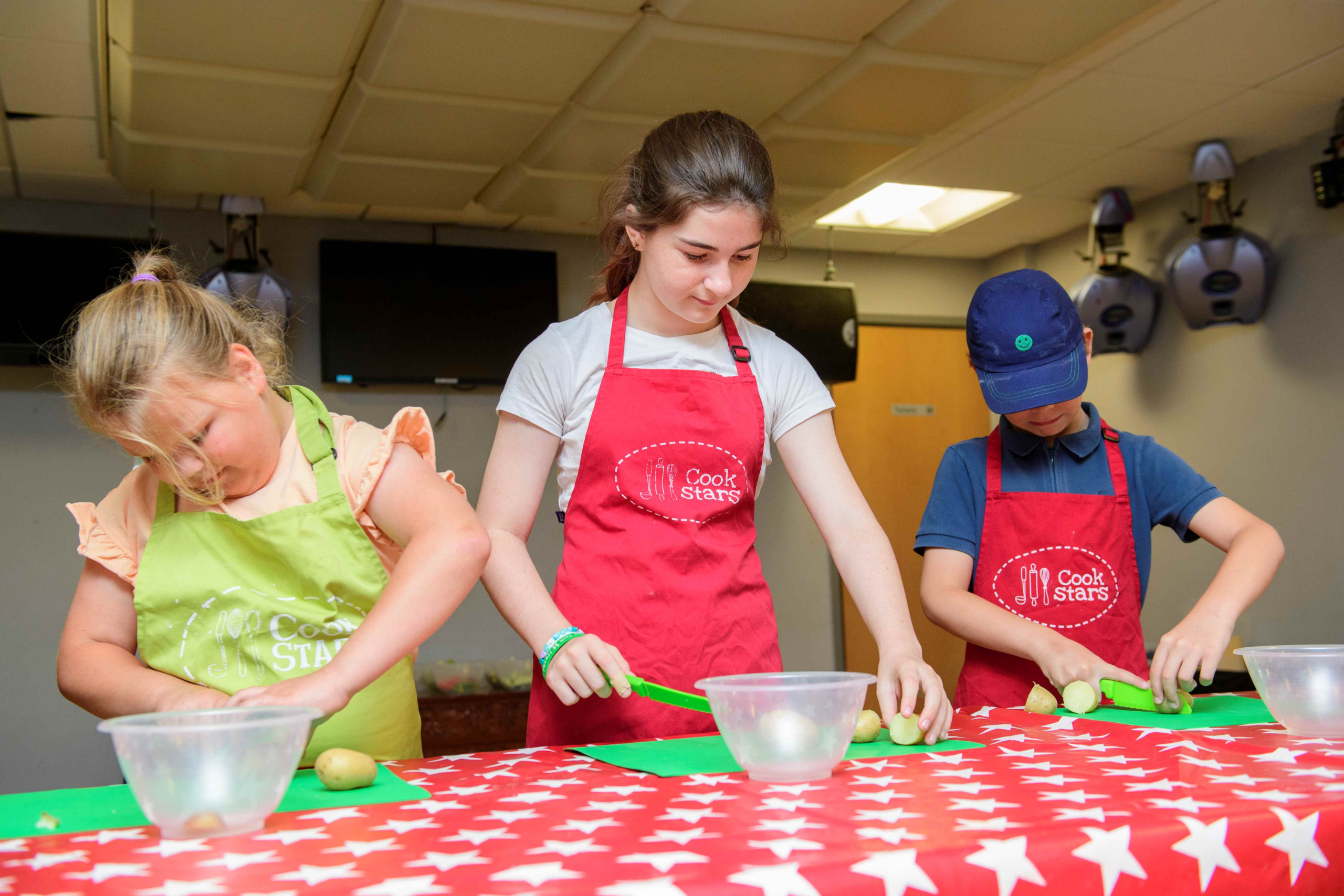
Children taking part are preparing frittatas and potato salads using recipes developed by Helen Walker, owner of Cook Stars Lincoln North & Gainsborough. Branston is also providing recipe cards featuring baby potatoes, giving participants additional dishes to try after the sessions finish.
The programme combines food provision with practical preparation rather than treating cooking solely as a classroom subject. Following a recipe introduces participants to ingredient preparation, sequencing, portioning, and basic kitchen handling while connecting the meal with a raw agricultural product familiar across Lincolnshire.
Simon Telfer, HR director at Branston, said: “We’re passionate about supporting local initiatives and making a positive impact on Lincolnshire’s communities.”
Branston’s involvement sits alongside a much larger commercial potato operation. The company says it handles around 350,000 tonnes of potatoes each year across fresh, seed, peeled, and prepared products, with more than 1,000 employees across its UK operations.
Its activities extend well beyond conventional fresh-produce packing. Branston operates farming and seed activities as well as prepared-food production, including peeled and prepared potatoes and ready-to-cook products, giving the business a role across growing, grading, packing, processing, and product development.
That connection gives the HAF sessions a relatively direct link between agricultural supply and finished food preparation. Potatoes remain recognisable throughout the chain, whether they are being graded for retail sale, processed into prepared products, or used as an ingredient by children learning to make a meal.
Branston has also invested in expanding its prepared-food capability. Its Lincoln operation moved into in-house mashed-potato manufacture after developing a dedicated facility designed around automated processing, cooking, chilling, and packing, adding another stage of value-added production to a business historically associated with fresh potatoes.
The company said when developing that facility that prepared-potato demand had increased and that bringing processing in-house could improve crop utilisation. That manufacturing context is separate from the summer programme, but it illustrates the scale of the food business behind what is otherwise a local community initiative.
Councillor Natalie Oliver, executive councillor for Children’s Services at Lincolnshire County Council, said Branston’s contribution would help provide nutritious meals and engaging activities for children and young people through the school holidays.
HAF programmes are designed to fill a practical gap when schools are closed. Eligible families can access organised activities alongside food provision, while individual clubs determine how that time is used. In this case, the Branston-funded sessions put food preparation itself into the activity programme.
The choice of simple potato dishes keeps the sessions within reach of young cooks without reducing them to demonstrations. Frittatas and salads require participants to combine ingredients, follow instructions, and handle food themselves, creating a different experience from receiving a prepared meal at the end of another activity.
Branston has supported food and community initiatives before, including redistribution of surplus potatoes through FareShare and educational activity around potato growing. Its current summer programme continues that pattern, although the scale is more usefully measured in the 30 sessions being delivered than in broader claims about social impact.
The company’s local connection is also substantial. Branston’s headquarters and major operating activities are based in Lincolnshire, while the wider group serves national retail and food-manufacturing customers from several UK sites.
By the end of the HAF programme, participating children will have prepared potato dishes themselves and taken further recipes home. For Branston, the project places a familiar local crop at the centre of practical food education — a modest use of an ingredient that the business handles on an industrial scale every day.