IN Brief:
- Cyberattacks targeting European supermarket refrigeration systems have exposed operational vulnerabilities, with UK meat processors also reporting disruption.
- Ageing warehouse management systems and connected refrigeration controls present risks to food storage, traceability, and distribution continuity.
- Balloon One's Craig Powell calls for government support to modernise supply chain infrastructure alongside the Budget's fuel duty and tariff measures.
By Craig Powell, Managing Director of Balloon One
Bottled water and tinned food seem to be the main topic of conversation at the moment. Recent cyber attacks, storms across the UK, and geopolitical conflict have led to calls from the Prime Minister and Defence Secretary to get households prepared for supply chain disruption.
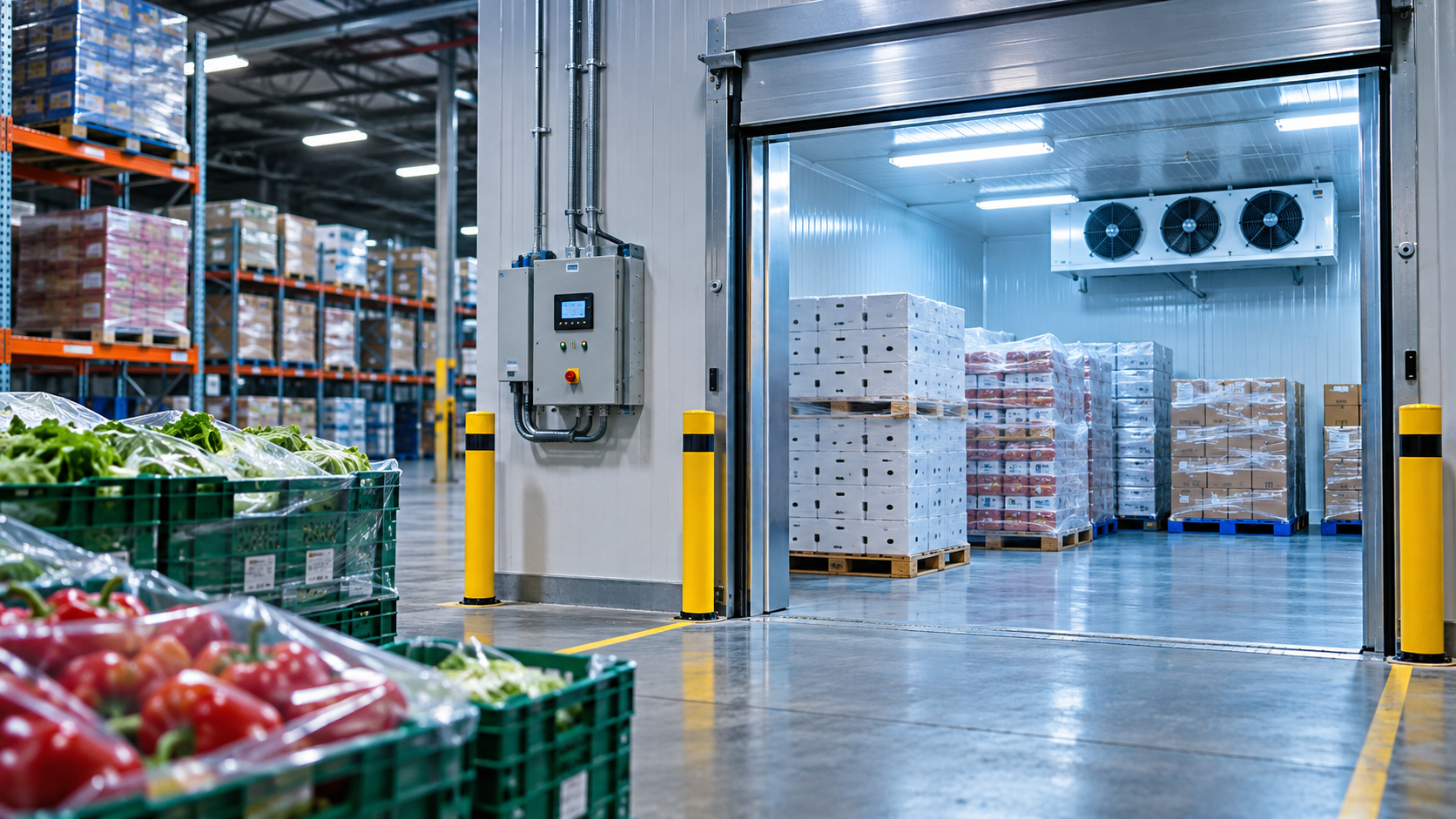
The European-wide cyber attacks last month saw hackers taking control of the fridges and freezers in around 400 French supermarkets, forcing them to heat up to as high as 50C, and demonstrated the impact a cyber attack can cause on operations. These kinds of controllers run cold rooms in factories, warehouses and distribution centres across the UK. Supermarkets rely on regular deliveries to keep their shelves full, so when a supermarket's systems are hit, gaps often appear quickly, with operations pausing online orders for weeks. Then, as recently as this week, the National Cyber Security Centre confirmed UK meat processors had been hit too by the same attack, with some suppliers’ fridges heating up overnight.
If households are being asked to keep three days of supplies at home, retailers and their suppliers should be confident their own operations could keep running for at least as long. They should know which systems their warehouse depends on, and test how quickly orders could be picked and shipped again if one went down.
Keeping the UK’s operations resilient requires more than offering advice and guidance to households. The Autumn Budget gives suppliers some welcome relief by extending the 5p fuel duty cut until July 2027, which will help the delivery and distribution of food from factories, and the suspension of tariffs on more than 100 supermarket products should ease pressure on imported goods.
However, there was little mention or indication of support to help suppliers make their own operations more resilient. According to our research, nearly half of supply chain businesses said they rely on systems six to ten years old to track batches and use-by dates. Organisations will feel the biggest vulnerabilities across their supply chain if they don't have the right infrastructure in place.
If the government is pushing people to stock up on water and food, then we need to see them offering the same level of support to the suppliers who will no doubt be impacted by the frenzied shopping we can expect from consumers over the coming months. That needs to include helping replace outdated systems and clear guidance on securing the equipment that keeps food cold.