IN Brief:
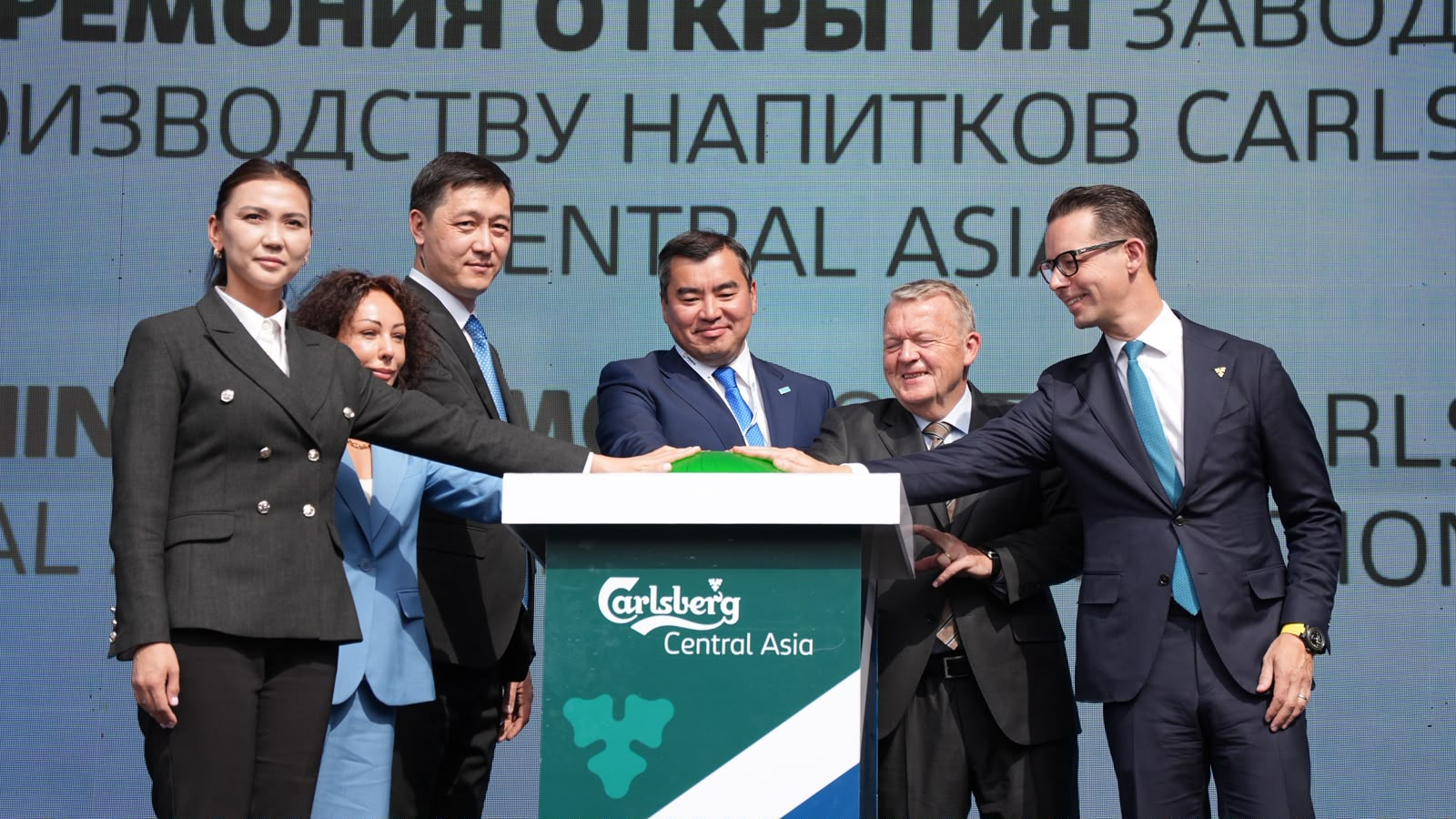
- Carlsberg Kazakhstan has opened a $344 million non-alcoholic drinks plant in Boraldai, Almaty region.
- Annual capacity reaches up to one billion litres, with around 230 jobs attached to the new operation.
- Output will supply Kazakhstan and export markets across the CIS as production ramps up.
Carlsberg Kazakhstan has opened a $344 million non-alcoholic beverage plant at Boraldai in Kazakhstan’s Almaty region, creating production capacity of up to one billion litres a year and around 230 jobs. The new operation is intended to supply both the domestic market and export customers across the Commonwealth of Independent States, giving the group a substantial new manufacturing base in Central Asia.
The investment places a high-volume processing and filling operation close to the markets it is expected to serve, replacing part of the requirement to move finished beverages over longer distances with a production network built around local utilities, labour, packaging, warehousing, and distribution. Independent reporting from the opening says beverages will also be produced under licence from PepsiCo, broadening the portfolio available to the plant beyond Carlsberg’s traditional brewing activities.
A facility rated at one billion litres annually places considerable demands on the systems surrounding the filling lines because beverage capacity is determined by more than the speed of an individual machine. Water treatment, ingredient and syrup preparation, clean-in-place systems, container supply, coding, quality control, finished goods storage, utilities, and outbound logistics all have to support the same operating rate if the nameplate figure is to translate into consistent saleable output.
Producing drinks closer to demand can alter transport economics considerably because a large proportion of the finished volume is water, leaving packaged beverages relatively expensive to move across long distances compared with many concentrated ingredients. Local manufacture shifts more of that movement towards raw materials and packaging while placing greater responsibility on the regional plant to maintain reliable supplies of containers, closures, labels, sweeteners, concentrates, process chemicals, and maintenance parts.
The export element adds complexity to the production plan because domestic and CIS customers will not necessarily order the same products, formats, or volumes at the same time. Line scheduling has to accommodate product and packaging changes without allowing changeover losses to overwhelm nominal capacity, while warehouse and transport planning have to prevent a high-output plant from building inventory faster than regional demand can absorb it.
Quality control becomes equally important when production is being carried out under international brand specifications, with water chemistry, ingredient dosing, microbiological standards, fill volume, carbonation where applicable, closure integrity, coding, and traceability all requiring consistent control. Licensing arrangements place the manufacturing operation under specifications developed elsewhere, so the commercial value of local production depends on reproducing those standards without creating an operating cost that removes the advantage of the regional site.
Large beverage investments also tend to expose weaknesses elsewhere in the factory once utilisation increases, since refrigeration, compressed air, wastewater treatment, pallet handling, maintenance, and utilities may become limiting factors before the fillers themselves reach maximum output. A billion-litre plant therefore needs sufficient balance across process, packaging, and infrastructure, with spare capacity in the supporting systems becoming particularly important during peak demand or maintenance periods.
The Boraldai opening sits within Kazakhstan’s wider effort to attract manufacturing investment and was formally marked during a Kazakhstan-Denmark business programme attended by Danish Foreign Minister Lars Løkke Rasmussen and regional officials. The location gives Carlsberg access to a market of roughly 20 million people inside Kazakhstan while creating an export platform that can serve neighbouring countries without relying entirely on production assets further west.
Regional manufacturing does not remove exposure to international supply because beverage plants still depend on imported equipment, specialist components, some ingredients, and packaging technologies, although it gives the operator more control over the final stages of production and distribution. During periods of transport disruption or changing import conditions, that distinction can affect the amount of finished stock moving across borders and the time required to respond to changes in demand.
Utilisation will determine how quickly the $344 million investment establishes an economic advantage, since plants of this scale carry substantial fixed costs whether their lines are running at full output or standing idle. Achieving high throughput without increasing product losses, downtime, packaging waste, or warehouse congestion will depend on the operating discipline built around the new machinery as volumes move towards the stated capacity.
Boraldai therefore adds more than another filling location to Carlsberg’s network, with its scale making the plant a regional production asset whose performance will be measured across processing, packing, logistics, and export demand. The one billion litre rating establishes the available ceiling; the proportion of that capacity converted into reliable commercial output will show how effectively the new operation has been integrated into Central Asian beverage supply.