IN Brief:
- The CMA concluded the Vandemoortele-Délifrance combination would substantially reduce competition in UK frozen viennoiserie.
- Vandemoortele must sell its Worcester laminated-dough plant and Staines sales operation as a functioning independent business.
- The next stage depends on approval of a suitable purchaser and an operational separation that preserves production and customer continuity.
Vandemoortele will have to sell its laminated-dough production facility in Worcester and its UK sales operation in Staines-upon-Thames after the Competition and Markets Authority concluded that its acquisition of Délifrance would substantially reduce competition in frozen viennoiserie.
The CMA published its final report on 20 August, clearing the wider transaction subject to a structural remedy. Vandemoortele must transfer the Worcester manufacturing operation and the Staines sales business to a suitable purchaser, creating an independent competitor rather than leaving the merged group with the full UK capacity and customer base of both businesses.
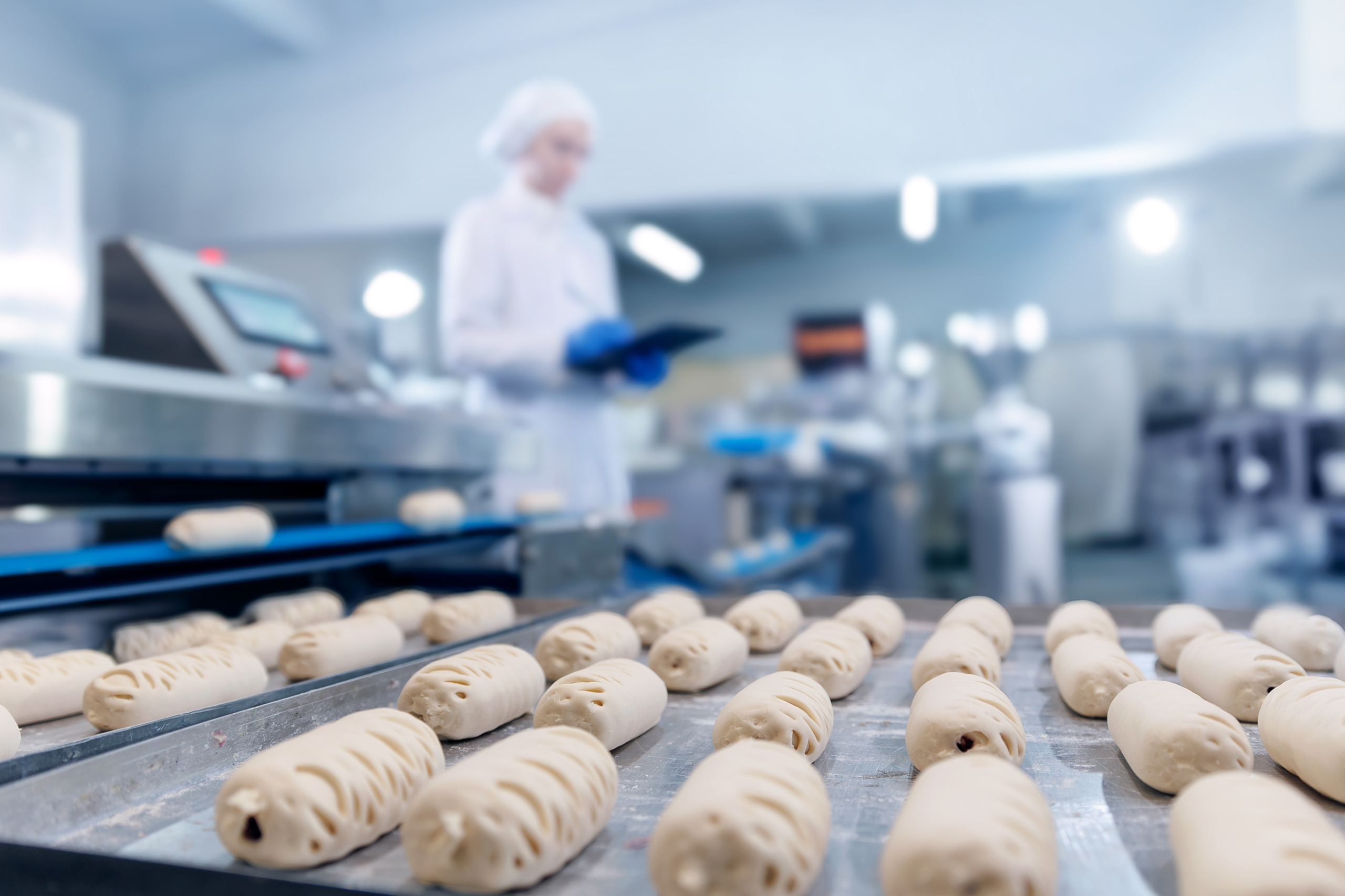
Frozen viennoiserie includes products such as croissants and pains au chocolat that are supplied to supermarkets and foodservice operators for baking in-store or on-site. The market is therefore tied to industrial bakery capacity, frozen distribution, customer specifications, production planning, and reliable supply rather than simply to branded products on the shelf.
The remedy follows a phase-two investigation in which Vandemoortele conceded that the merger could be expected to result in a substantial lessening of competition in the supply of frozen laminated-dough products to UK retail and foodservice customers. That allowed the CMA to focus more quickly on how competition could be restored.
The regulator has required a sale package that extends beyond the Worcester building and equipment. It is intended to include the assets needed to operate the business effectively, together with UK customer relationships, contracts, staff, relevant rights, transitional services, and manufacturing arrangements to maintain continuity during the transfer.
Production capacity becomes the remedy
That structure reflects the practical difficulty of separating a food-manufacturing business. A frozen bakery plant depends on trained operators, process knowledge, maintenance capability, quality systems, recipes, production schedules, ingredient procurement, packaging supply, and cold-chain logistics. Selling only selected machinery would do little to recreate competitive pressure if the commercial and operational system around it were dismantled.
The buyer will therefore need to inherit a functioning platform rather than a collection of assets. Customer contracts and specifications must remain usable, employees and technical knowledge need to transfer, and production continuity has to be protected while systems and ownership change. Transitional services can reduce the risk of disruption, but they also need to lead towards genuine independence rather than long-term reliance on Vandemoortele.
For customers, continuity is the immediate concern. Supermarkets and foodservice groups buying frozen pastry products work to fixed specifications and scheduled deliveries, and disruption at a single manufacturing site can quickly create substitution problems if alternative suppliers do not have spare capacity or matching products. The CMA’s remedy is designed to preserve another credible source of supply rather than rely on future market entry.
Vandemoortele will continue to operate in the UK after the divestment. Its acquisition of Délifrance had already been completed before the phase-two investigation, so the remedy now has to unwind part of an integrated transaction without destabilising ongoing production or customer service.
The industrial challenge is therefore separation rather than closure. Equipment, people, contracts, data, formulations, quality documentation, supplier relationships, and customer records all need to move in a way that leaves the purchaser able to manufacture and sell immediately. Any weakness in that transfer would reduce the competitive value of the remedy even if the legal divestment itself were completed.
Attention shifts to the purchaser
The CMA must approve a suitable buyer and will continue to monitor implementation. That places the next stage of the process on the purchaser’s operational and financial credibility, including whether it can run the Worcester plant as a sustainable business and maintain the sales operation that connects production to UK customers.
For suppliers to the plant, ownership change could eventually alter purchasing relationships across flour, fats, fillings, packaging, engineering services, refrigeration, transport, and maintenance. Those effects are secondary to the competition decision, but they matter because the viability of a stand-alone factory depends on the wider supply system that keeps its lines running.
The transaction also highlights how physical production capacity can become the decisive issue in food-sector merger control. In categories where specialised lines, frozen logistics, customer approvals, and technical know-how make rapid entry difficult, ownership of an established plant can carry more competitive weight than the brands attached to it.
The CMA has now completed its investigation, but the remedy will only become effective once a purchaser is approved and the Worcester operation has been transferred as a genuinely independent business. Until then, the regulatory decision has defined the required outcome; the manufacturing work needed to achieve it is still to come.