IN Brief:
- The General Court upheld a failure-to-act claim concerning the Commission’s expired legislative timetable.
- The Commission’s livestock strategy envisages proposals covering laying hens and broilers by the end of 2026.
- Any eventual production restrictions and equivalent import requirements will be determined through subsequent legislation.
The European Union’s General Court has ruled that the European Commission failed to meet its obligations to update the timetable for cage-free farming reforms. The judgment increases pressure on the Commission to clarify the schedule for measures that could affect the production and procurement of eggs and other animal-derived ingredients across the EU.
In Case T-151/24, decided on 25 November, the court upheld a challenge brought by the committee behind the End the Cage Age European citizens’ initiative. Registered in 2018, the initiative attracted approximately 1.4 million declarations of support and reached the required thresholds in 18 member states. The Commission responded in June 2021 with an intention to introduce legislation by the end of 2023.
That deadline passed without the promised proposal. In February 2024, the Commission confirmed its intention to continue the work but supplied no revised timetable. The court found that its continuing intention to act carried an ongoing obligation to provide an updated schedule. A separate challenge against the Commission’s refusal to disclose its preparatory file was dismissed.
The ruling does not itself outlaw cages or determine when producers must replace existing housing systems. Under the EU livestock strategy adopted in July, the Commission already intends to propose amendments covering laying hens and broilers by the end of 2026. Equivalent welfare requirements for imports, subject to international trade obligations, are also among the areas identified for legislative development.
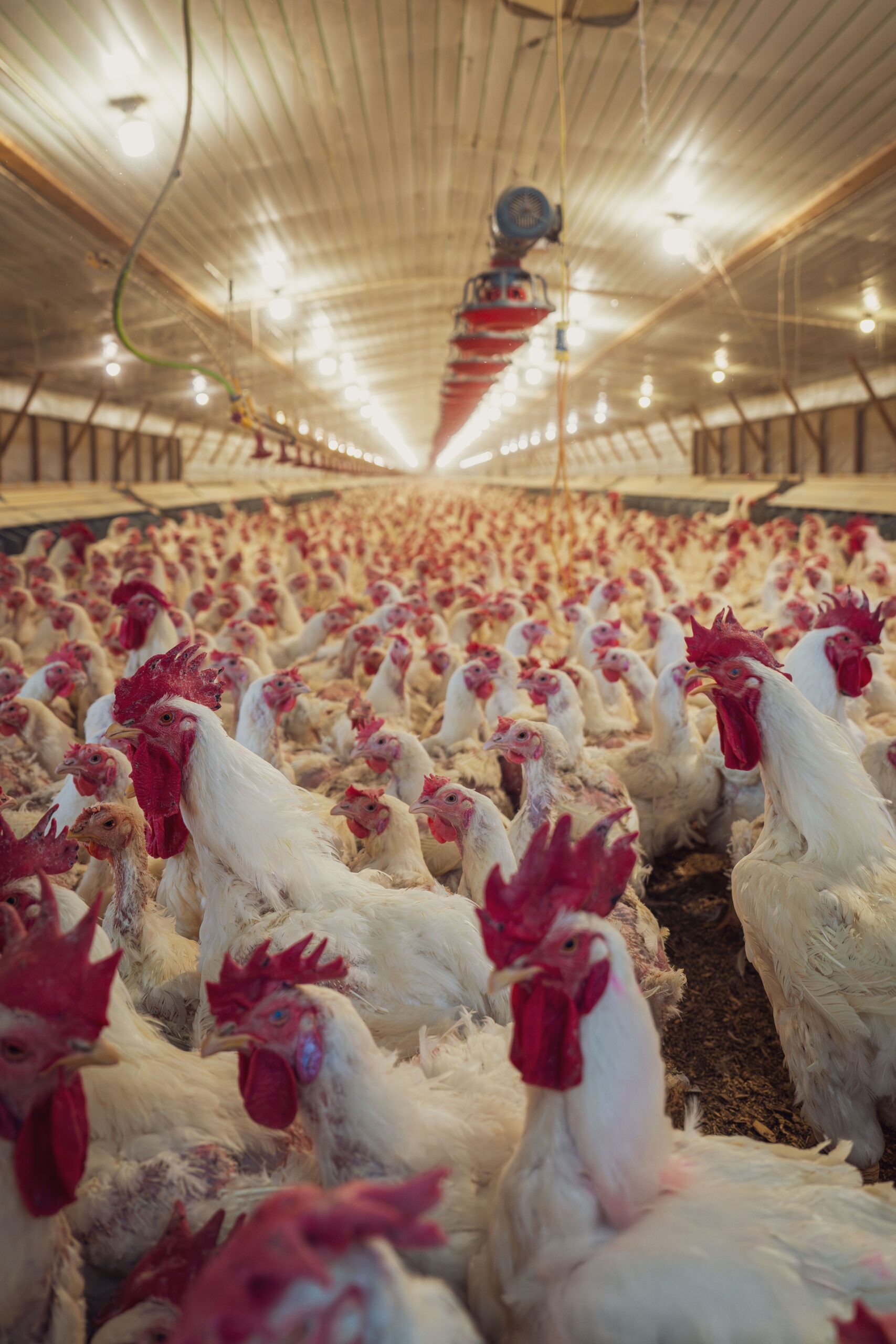
Conventional unenriched battery cages for laying hens have been prohibited in the EU since 2012. Enriched cages remain permitted and must provide at least 750 square centimetres of cage area per hen, among other conditions. The potential phase-out of these systems would affect infrastructure that currently operates within the legal framework rather than bringing an existing prohibition into force.
Changes to egg production have consequences well beyond retail shell egg sales. Bakeries use egg proteins to develop structure and aerate products, while prepared food manufacturers rely on egg yolk’s emulsifying properties in sauces and dressings. Liquid whole egg, separated whites and yolks, and dried egg powders enable manufacturers to dose these ingredients without breaking shell eggs at every individual production facility.
Specialist processors receive eggs from farms, break the shells, and separate or combine their contents according to customer specifications. Liquid fractions are filtered, pasteurised, and cooled; products intended for longer storage may subsequently be frozen or dried. Consistent composition is important because differences in solids content or protein functionality can affect the behaviour of the ingredient during mixing, emulsification, or thermal processing.
A procurement specification requiring cage-free eggs places additional demands on the management of incoming materials where a processor handles products from different housing systems. Supplier declarations and batch identification must preserve the distinction through storage and production. Where several incoming batches are combined, every batch contributing to an ingredient supplied under a cage-free specification must satisfy that requirement.
Investment in housing can also alter the economics of raw material supply. Replacing equipment in existing buildings may require changes to ventilation, feeding, egg collection, and manure handling. The capacity available after conversion will depend on the configuration of the facility and the applicable stocking requirements. Producers need sufficient continuity of demand to finance investment without undermining the availability of eggs to existing processing customers.
The length of any statutory transition will influence the scheduling of conversion projects and the timing of supply contracts. Egg processing plants depend on regular incoming volumes to utilise equipment such as breaking machines and pasteurisation systems. If multiple suppliers convert simultaneously, processors may have to secure replacement material or alter the allocation of production between sites while maintaining their customers’ agreed ingredient specifications.
Import provisions will be important for manufacturers purchasing dried or liquid egg products from outside the EU. Equivalent welfare conditions could require documentation and verification extending beyond existing product safety and veterinary controls. The Commission has not yet established the exact scope of those obligations or how they would apply to processed ingredients and composite foods.
Voluntary cage-free purchasing commitments already require some manufacturers to distinguish between sourcing systems. A common legislative framework could change the availability and cost of qualifying supplies while also introducing new requirements that differ from existing commercial certification schemes. Manufacturers will need to compare the eventual legal text with their own purchasing specifications and the production arrangements of their suppliers.
The court’s judgment requires the Commission to address the expired timetable rather than implement a particular housing standard. The forthcoming proposals will establish the legislative basis on which egg suppliers and processors can assess conversion costs, transitional production arrangements, and the implications for imported ingredients.